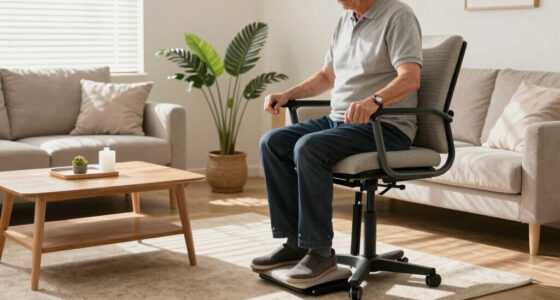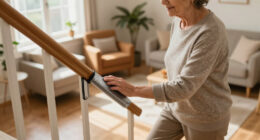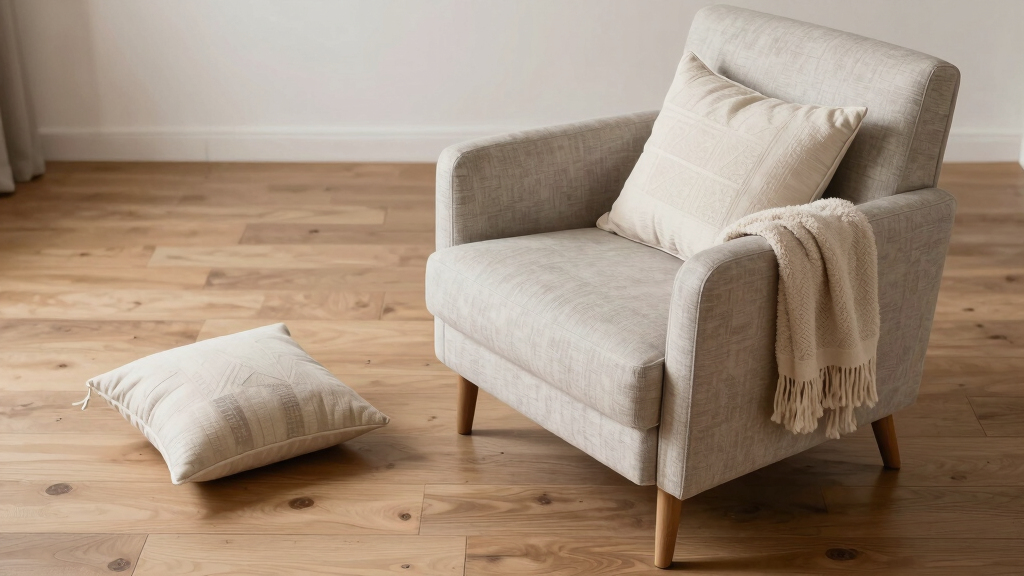

TL;DR
Listen free for 30 days with Audible
Thousands of audiobooks and originals — cancel anytime.
Start your free trialAs an affiliate, we earn on qualifying purchases.
A chair that’s easy to stand up from has adjustable height, a stable base, ergonomic support, and often lift-assist features. These elements can cut down physical effort, making daily movements safer and more comfortable, especially for seniors or mobility-impaired individuals.
Getting up from a chair might seem simple, but for many with mobility issues or aging bodies, it’s a real challenge. The right chair can make all the difference—less effort, more independence, and a safer transition from sitting to standing. Think about a sturdy armchair with a height that matches your knee level, or a lift chair that gently pushes you upright. These aren’t just comfort features—they’re safety features.
In this guide, you’ll learn what makes a chair easy to stand from, the latest innovations, and practical tips to find your perfect match. Whether you’re caring for a loved one or upgrading your own space, understanding these basics helps you choose with confidence—and keep moving with ease.
Aim for a seat height about 10-15 cm (4-6 inches) above your knee for easier standing.
Look for chairs with lift-assist or powered mechanisms if you need extra help.
Armrests and a broad, stable base support safer, smoother rises.
Adjustability allows customization to your body and mobility needs.
Latest designs incorporate smart technology and modular features for personalized support.
How to Choose a Chair That’s Easy to Stand Up From
A safer rise starts with the right geometry: a supportive seat at the right height, firm armrests and a base that stays planted. Add lift assistance when strength, pain or balance makes standing difficult.
Lift-assist mechanisms can substantially reduce the physical work of moving from sitting to standing.
A common starting point is 10–15 cm above the back of the knee, then adjusted for safe foot contact.
Reduce joint strain without sacrificing balance, stability or contact with the floor.
Common seat heights measured from the floor.
A practical starting point above knee level.
Height, armrests, stability and firm cushioning.
Essential for balance before beginning the rise.
Five features that turn a seat into a safer launch point
The best chair creates mechanical advantage while remaining solid beneath the user. Every feature should support a controlled forward shift and confident push upward.
Adjustable seat height
Matches the chair to leg length and mobility level, reducing deep knee flexion and unnecessary effort.
Lift mechanism
A powered or mechanical rise gently moves the body forward and upward when extra help is needed.
Wide, sturdy base
A broad footprint and non-slip feet resist tipping, sliding and wobbling during weight transfer.
Supportive armrests
Firm arms provide a reliable push-off point and help control balance throughout the movement.
Ergonomic support
Lumbar contouring, firm cushioning and sensible depth reduce fatigue and support natural movement.
Measure first. Then fine-tune for stable foot contact.
Seat height is powerful, but it is not a stand-alone number. The user must still place both feet securely on the floor and lean forward without slipping.
The starting formula
Measure from the floor to the back of the knee. Use the result to establish a trial height, then test comfort and control.
Common seat-height spectrum
Many chairs sit within a 16–20 inch range. Individual fit, footwear, joint mobility and lower-leg length determine the safest setting.
Different chairs solve different mobility problems
A lift chair offers the most direct assistance. A standard or office chair can work when its dimensions, arms and base are appropriate—but neither is automatically safe.
| Feature | Standard chair | Lift chair | Ergonomic office chair |
|---|---|---|---|
| Seat height | ~Usually 16–20 in; sometimes fixed | ✓Higher and often adjustable | ✓Frequently height adjustable |
| Rise assistance | ✗No dedicated mechanism | ✓Powered or mechanical lift | ✗Not designed to lift the user |
| Arm support | ~Varies by model | ✓Usually substantial and fixed | ~Often adjustable; may flex |
| Base stability | ~Good if broad and non-slip | ✓Built to support lifting motion | ~Five-point base, but casters can move |
| Best suited to | Independent users needing good fit | Limited strength, pain or mobility | Posture support and adjustable work |
Follow the rise from measurement to real-world movement
Never judge a chair by specifications alone. Test the complete transition in normal footwear, with supervision if balance or fall risk is a concern.
Measure
Record knee height while seated and note any pain, weakness or movement limits.
Set the seat
Start above knee level, then confirm that both feet remain firmly planted.
Grip the arms
Elbows should bend comfortably without lifting or crowding the shoulders.
Check the base
Push gently in several directions. Reject wobble, sliding or unwanted rolling.
Practice the rise
Look for a smooth forward lean, controlled push and stable finish without strain.
Modern chairs are becoming more responsive and personal
Recent designs combine mechanical support with modular parts and sensing technology, making assistance easier to tailor as needs change.
Gentler lift profiles
Controlled motors tilt and raise the seat gradually, reducing abrupt motion and helping the user find balance before stepping away.
Support that adapts
Interchangeable arms, cushions, height settings and tilt options allow the chair to evolve with the user’s body and mobility.
Sensors and feedback
Emerging systems monitor posture and pressure, detect difficult transitions and adjust support in healthcare or assisted-living settings.
From risky struggle to a controlled, confident rise
After replacing a low armchair with a lift chair offering adjustable height and firm arm support, Mary could stand with less effort. The practical gain was bigger than comfort: greater independence and less fear of falling.
Five decisions before you buy
The right chair should fit the person, the room and the level of assistance required—today and in the foreseeable future.
What Makes a Chair Easy to Stand Up From? Here’s the Secret
The main thing? Seat height. It should be about 10-15 cm (4-6 inches) higher than the back of your knee when seated. This simple trick reduces the effort needed to push yourself up by nearly half, according to ergonomic research.
Imagine sitting in a chair where your feet are flat on the ground, knees at a comfortable 90 degrees. That’s the sweet spot for easy standing. Add a stable, broad base and supportive armrests, and the task becomes even smoother. Think of it as a sturdy stepping stone—solid beneath you, guiding your rise.
For example, someone with knee arthritis finds that a chair set at just the right height requires less energy to stand, preventing the strain that can cause pain or falls.
Having the correct seat height isn’t just about comfort; it directly impacts safety. A seat that’s too low forces you to bend excessively, increasing strain on joints and risking falls. Conversely, a seat that’s too high may make it difficult to reach the ground for stability, especially if you have balance issues. The goal is to find a balance that minimizes effort and maximizes control during standing, which can significantly enhance confidence and reduce injury risk.
adjustable height lift chair for seniors
As an affiliate, we earn on qualifying purchases.
As an affiliate, we earn on qualifying purchases.
Top 5 Features to Look for in a Chair That Supports Easy Standing
- Adjustable seat height: Customizes to your knee level, ensuring optimal leverage and reducing effort during standing. This flexibility is crucial because individual body sizes and mobility levels vary widely, and a fixed-height chair might be uncomfortable or unsafe for some users.
- Lift-assist mechanisms: Powered or mechanical systems that gently push you upright, which can significantly decrease the physical effort needed—sometimes by up to 50%. This feature is especially beneficial for those with limited strength or joint issues, but it’s important to consider tradeoffs like maintenance and cost.
- Sturdy base with wide footprint: Prevents wobbling and enhances stability, reducing the chance of falls during the transition. A broad, non-slip base also provides a sense of security, encouraging users to stand without fear of tipping over.
- Armrests: Provide leverage and support during rising, making it easier to push off and balance. Well-designed armrests can also serve as a safety handle, offering additional control and reducing the risk of falls, particularly for those with weak grip strength or balance issues.
- Ergonomic design: Promotes good posture, reduces fatigue, and supports natural movement patterns. An ergonomic chair considers the body’s biomechanics, which helps minimize muscular effort and joint strain, leading to safer and more comfortable transitions.
ergonomic armchair with lift assist
As an affiliate, we earn on qualifying purchases.
As an affiliate, we earn on qualifying purchases.
Compare Popular Chair Types for Ease of Standing (Table Included)
| Feature | Standard Chair | Lift Chair | Ergonomic Office Chair |
|---|---|---|---|
| Seat Height | Usually 16-20 inches, adjustable in some models | Higher seat, adjustable, with lift mechanism | Variable, often adjustable but not specifically designed for standing |
| Support | Basic support, may lack armrests | Supports full body weight, armrests included | Ergonomic support, lumbar adjustment |
| Ease of Standing | Depends on height and stability | Designed for easy rising, reduces effort by up to 50% | Helps maintain posture but less focus on standing aid |
Understanding the differences among these chairs is vital because each serves a distinct purpose. Standard chairs are versatile but may lack features that assist standing, while lift chairs are explicitly designed to support easier transitions, making them ideal for individuals with significant mobility challenges. Ergonomic office chairs prioritize comfort and posture but might not always address the specific needs of standing assistance. Selecting the right type depends on your mobility level, safety needs, and budget, but knowing these distinctions helps in making an informed choice that best supports your independence.
As an affiliate, we earn on qualifying purchases.
Simple Steps to Find a Chair That Helps You Stand Up Easier
- Measure your knee height while seated—aim for a seat height 10-15 cm above your knees. This ensures the chair supports a natural, comfortable standing motion without excessive effort or joint strain.
- Check for sturdy armrests that can support your weight during rise. Armrests should be at a height that allows your elbows to bend comfortably, providing leverage without forcing your shoulders into awkward positions.
- Test the stability—push gently to see if it wobbles or feels solid. A stable chair minimizes the risk of tipping, which is crucial when standing up, especially if your balance is compromised.
- Look for a wide, non-slip base to prevent accidents. A broad base distributes weight evenly, and non-slip feet prevent sliding, both of which are essential for safe transitions.
- Consider a lift-assist feature if you need extra help. While not necessary for everyone, this feature can be a game-changer for those with limited strength or joint pain, making standing effortless and reducing fatigue.
As an affiliate, we earn on qualifying purchases.
Latest Innovations Making Chairs Easier to Use for Everyone
Recent advancements focus on safety and convenience. Lift-assist chairs with powered mechanisms now gently tilt you upright, which not only reduces effort by up to 50% but also minimizes sudden movements that could cause falls. Modular designs allow customization of height, tilt, and arm support, catering to individual needs and preferences. Smart chairs equipped with sensors can monitor posture, pressure distribution, and even detect when you’re struggling to stand, automatically adjusting to provide additional support. These innovations are particularly impactful for seniors or those recovering from injuries, as they promote independence while reducing the risk of falls or strain during transitions.
Real-Life Stories: How the Right Chair Changed Daily Life
Mary, 78, struggled to rise from her old armchair, risking falls and frustration. She switched to a lift chair with adjustable height and arm support. Now, she presses a button and stands effortlessly, feeling safer and more independent. Her story shows how choosing the right features can boost confidence and reduce worry about falls, illustrating the profound impact that thoughtful chair selection can have on daily life and mobility.
Frequently Asked Questions
What is the best type of chair for someone with mobility issues?
Chairs with lift-assist features, adjustable height, and sturdy support are ideal. These options reduce the effort needed to stand and provide added safety during transitions.How can I tell if a chair is easy to get up from?
Check the seat height—ideally 10-15 cm above your knees—and test stability and armrest support. If it includes a lift mechanism, that’s a strong indicator it’s designed for easy standing.Are there chairs specifically made for seniors or disabled users?
Yes, there are specialized lift chairs and ergonomic models tailored for ease of standing, often featuring powered lifts, higher seats, and supportive armrests.What materials should I look for in an easy-to-stand-up chair?
Choose non-slip surfaces, breathable fabrics, and a sturdy frame. These materials increase safety and comfort during transitions.Can ergonomic design make standing easier?
Absolutely. Good ergonomic support promotes better posture and reduces fatigue, which helps in standing up more effortlessly.Conclusion
Choosing a chair that’s easy to stand from isn’t about luxury; it’s about safety and independence. Prioritize adjustable height, stability, and features like lift-assist to make daily movements smoother. Think of your chair as a reliable partner—supportive, steady, and ready whenever you need to rise.
Remember, the right chair can turn a challenging moment into a simple step. It’s a small change that can make a big difference—so pick wisely and stand tall with confidence.
NFL season / tailgating Picks
team gear
As an affiliate, we earn on qualifying purchases.