TL;DR
Prime for Young Adults — start your free trial
Fast free delivery, streaming and member deals for eligible 18–24 year olds.
Try it freeAs an affiliate, we earn on qualifying purchases.
Prevent falls at home by removing hazards, improving lighting, and staying active. Combining simple modifications with new tech can drastically lower injury risk for older adults.
Remove clutter and secure rugs to eliminate tripping hazards.
Improve lighting and keep pathways clear for better visibility and movement.
Wear supportive shoes and use assistive devices properly to stay steady.
Engage in regular balance exercises like tai chi to strengthen muscles.
Leverage technology such as smart lights and wearable sensors for added safety.
How to Make Your Home a Fall-Free Zone in 5 Easy Steps
Prevent falls by tackling the biggest hazards first. Start with these five essential steps that can transform your space into a safer haven.
- Remove clutter and loose rugs that can trip you up. Imagine walking into a room where the only thing on the floor is your favorite chair—not a tangle of cords and scattered newspapers.
- Install bright, even lighting across all areas, especially stairways and hallways. Think of it as turning on a spotlight in a dark theater—suddenly, every step is clear.
- Secure or replace slippery mats in the bathroom with non-slip versions. Picture stepping into a shower that feels safe, not like a skating rink.
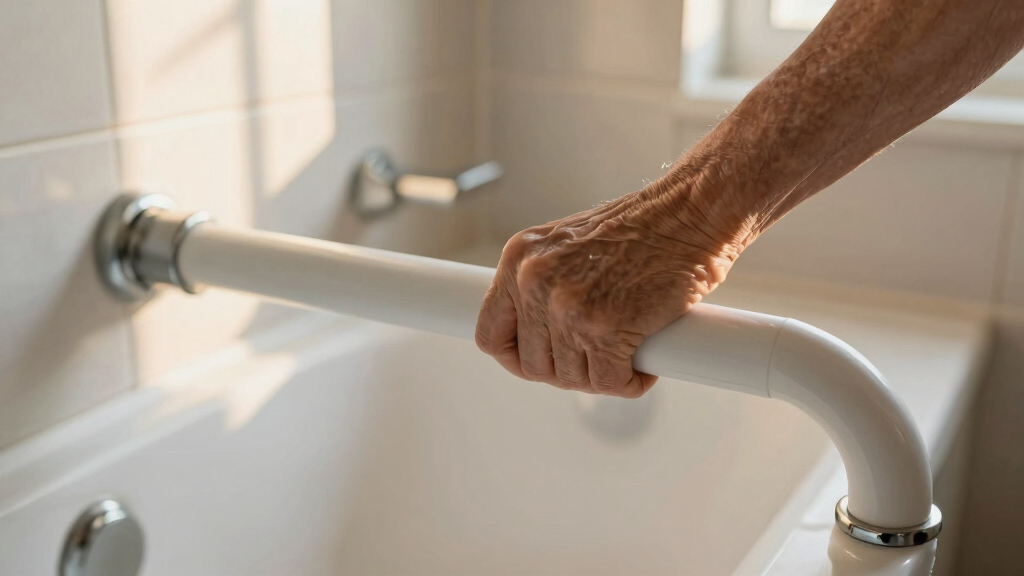
- Add grab bars in the bathroom and sturdy handrails on both sides of staircases. These are the safety net you can hold onto when your balance wobbles.
- Keep floors dry and clean. Even a small puddle or spilled coffee can turn into a fall hazard, so wipe up spills immediately.
These steps are straightforward but powerful. They cut down on the most common causes of falls—tripping, slipping, and losing your grip.
As an affiliate, we earn on qualifying purchases.
Why Proper Lighting and Clear Pathways Prevent Falls
Lighting is often overlooked but plays a critical role in fall prevention. Dark stairs or hallways can hide hazards that cause trips and slips.
Imagine walking into a dimly lit kitchen at night—your eyes strain to see the floor, and a loose rug suddenly becomes a danger. Bright, even lighting removes these surprises. Use nightlights in bathrooms and hallways, especially if you wake often during the night.
Clear pathways make a difference. Keep furniture away from walkways, and avoid clutter that blocks your path. When your home feels open and well-lit, your confidence in moving around increases.
Why does this matter? Proper lighting not only helps you see potential hazards but also reduces the cognitive load of navigating your environment. When your brain isn’t distracted by poor visibility, it can focus on maintaining balance and reacting quickly to unexpected obstacles. Conversely, poor lighting increases the risk of missteps, especially as vision naturally declines with age. Ensuring well-lit spaces is an investment in your safety, reducing the likelihood of falls caused by unseen hazards.
Good lighting also helps prevent a common tradeoff: while brighter lights improve visibility, excessively harsh or glaring lights can cause discomfort or temporary blindness, especially in those with sensitive eyes. Choosing soft, evenly distributed lighting can strike a balance—enhancing safety without causing additional strain.
As an affiliate, we earn on qualifying purchases.
How Footwear and Assistive Devices Keep You Steady
Wearing supportive shoes with non-slip soles is simple but effective. Think of your shoes as the tires on a car—good traction keeps you from sliding.
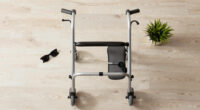
Assistive devices like canes and walkers aren’t signs of frailty—they’re tools that boost your confidence. Make sure your equipment fits well and is in good condition. For example, a cane with a rubber tip provides extra grip, especially on tile or wood floors.
Using these aids correctly can prevent falls during everyday activities like walking to the mailbox or climbing stairs. Properly fitted assistive devices are crucial; ill-fitting ones can cause instability or discomfort, which might lead to a fall. Regularly checking and maintaining your equipment ensures they perform optimally, reinforcing your confidence and safety. Remember, these devices are designed to compensate for balance issues, but they require correct usage and maintenance to be effective.
Choosing the right footwear and assistive devices involves understanding your specific needs and environment. For instance, shoes with smooth soles might look stylish but can be hazardous on slick surfaces. Conversely, shoes with good grip might feel less comfortable but provide necessary safety. Similarly, assistive devices should be tailored to your height and gait—an ill-fitting cane can do more harm than good. Investing time in selecting and maintaining these tools maximizes their benefits and minimizes risks.
As an affiliate, we earn on qualifying purchases.
Simple Exercises to Strengthen Balance and Prevent Falls
Staying active is one of the most effective ways to prevent falls. Think of your muscles as the foundation of a sturdy house—stronger muscles support better balance.
For example, regular balance exercises like tai chi or gentle yoga can improve coordination and leg strength. Even a 10-minute daily routine, such as standing on one foot or heel-to-toe walking, makes a difference. These exercises help retrain your body to respond quickly and maintain stability during unexpected shifts. Over time, improved muscle strength and coordination reduce the likelihood of losing balance during daily activities, such as reaching for objects or navigating uneven surfaces. The key is consistency—regular practice leads to noticeable improvements, making falls less likely and boosting your confidence in moving around.
Understanding why these exercises work is important. Balance training enhances the sensory systems—your vision, inner ear, and proprioception—helping your body process information more effectively. This means you can react faster to unexpected obstacles or slips. Additionally, building strength in key muscle groups like your thighs and core provides a more stable base for your movements. While the benefits are clear, it’s essential to start gradually and listen to your body to avoid overexertion or injury.
As an affiliate, we earn on qualifying purchases.
How to Manage Health and Vision to Keep Falls Away
Your health directly impacts fall risk. Regular checkups and medication reviews help spot issues like dizziness or weak eyesight that increase your chances of falling.
Schedule eye exams at least once a year. Updating glasses and prescriptions ensures you see clearly—think of it as sharpening your vision to avoid hazards.
Managing chronic conditions like osteoporosis or neurological issues also reduces fall risk. For example, treating osteoporosis can prevent fractures if a fall occurs, making injury less likely. It’s important to understand that managing health isn’t just about treating illness but also about maintaining your body’s overall resilience. Good health enables your muscles, bones, and neurological systems to work together effectively, reducing vulnerabilities that could lead to falls. Addressing these factors proactively means you’re less likely to experience sudden impairments that could cause a fall, and if an incident does occur, recovery is often easier.
Beyond routine checkups, paying attention to how medications affect your balance is crucial. Some medicines can cause dizziness or drowsiness, increasing fall risk. Discussing these effects with your healthcare provider can lead to adjustments or alternatives, balancing treatment benefits with safety considerations. Also, lifestyle factors like nutrition, hydration, and sleep quality influence overall health and fall risk. Maintaining a healthy lifestyle supports your body’s strength and coordination, making falls less likely and recovery easier if a fall does happen.
Latest Tech That Can Help Keep You Safe at Home
Smart home gadgets are changing fall prevention. Motion sensors and automated lighting can turn on lights as you enter a room, illuminating potential hazards automatically.
Wearable devices now monitor gait and balance, alerting you or caregivers if abnormalities are detected. Imagine a bracelet that tells you, ‘You’re wobbling—take a break,’ before a fall happens.
While tech isn’t a substitute for good habits, it adds an extra layer of safety—like having a digital safety net.
What to Do When You or a Loved One Are at High Fall Risk
If you or someone you care about has already fallen or shows signs of imbalance, take action immediately. Make a safety plan that includes home modifications and medical consultation.
Discuss with healthcare providers about physical therapy, medication adjustments, or referrals to specialists in fall prevention. For example, a physical therapist can design exercises tailored to individual needs, boosting stability.
Remember, early intervention can stop a fall before it happens, preserving independence and confidence.
Frequently Asked Questions
What are the most effective home modifications to prevent falls?
Removing tripping hazards like loose rugs, installing grab bars, improving lighting, and keeping floors dry are among the most effective. Simple adjustments can significantly reduce fall risks.How can I improve my balance and strength safely at home?
Engage in gentle exercises like tai chi, heel-to-toe walks, or standing on one foot for short periods. Always start slowly and consult a healthcare professional if unsure.Are there specific exercises recommended for fall prevention?
Yes, balance and strength training exercises such as tai chi, yoga, or targeted physical therapy routines are highly recommended. Consistency is key.How often should I have my vision checked?
It’s best to schedule an eye exam at least once a year or whenever you notice changes in your vision. Clear sight is vital for avoiding hazards.What should I do if I or a loved one is at high risk of falling?
Consult with healthcare providers about tailored interventions like physical therapy, medication review, and home modifications. Early steps can prevent serious injuries.Conclusion
A few simple changes can make your home far safer and give you back confidence in your daily movements. Think of your space as a sanctuary—designed for comfort, support, and peace of mind. Why not start today? Small steps now can prevent big falls tomorrow—and keep you moving freely for years to come.Flea & tick season Picks
flea and tick prevention
As an affiliate, we earn on qualifying purchases.