
TL;DR
Magnifiers and reading aids range from simple handheld lenses to advanced electronic devices with AI features. Selecting the right tool depends on your vision loss level and activities, but recent tech developments make these aids more accessible and effective than ever.
Imagine struggling to read a favorite book, a grocery label, or a prescription bottle — then discovering a simple tool that restores clarity. That’s what magnifiers and reading aids do for millions living with low vision. As technology advances, options become more personalized, affordable, and powerful, helping individuals maintain independence and confidence.
In this guide, you’ll explore the different types of magnifiers, recent innovations, and how to pick the right one for your needs. Whether you prefer a lightweight handheld or a high-tech electronic device, you’ll find practical tips to improve your daily life.
Match magnifier type and magnification level to your specific needs and tasks.
Good lighting and contrast features are essential to maximize magnifier effectiveness.
Recent tech, like AI apps and portable electronic magnifiers, make low vision aids more affordable and versatile.
Consult a low vision specialist for personalized device recommendations and training.
Start with simple tools and gradually explore advanced options as your needs evolve.
What Are the Main Types of Magnifiers and How Do They Help?
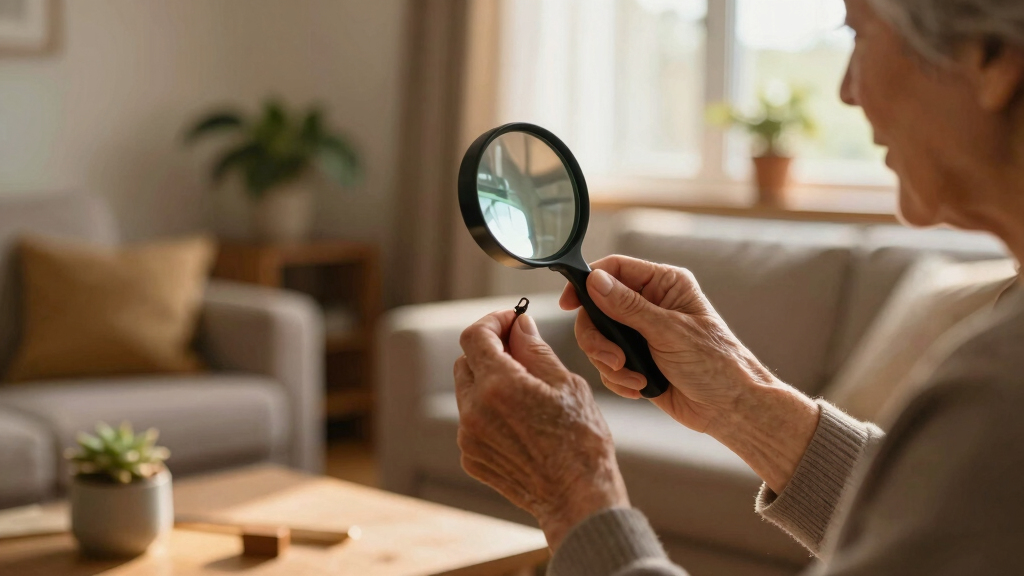
Magnifiers for low vision come in several styles, each suited to different tasks and preferences. Handheld magnifiers are portable and perfect for quick reads, like labels or menus. Stand magnifiers sit steady on the page, often with built-in lights, making them ideal for longer reading sessions where stability and consistent illumination are beneficial. Magnifying glasses worn like glasses provide hands-free close-up vision, which is especially useful for hobbies or detailed work. Electronic magnifiers, equipped with cameras and screens, allow dynamic enlargement of text and images, often with features like contrast and color adjustments that enhance readability based on individual needs.
Understanding these types helps you match the device to your specific activities. For instance, if you frequently read labels while shopping, a small handheld might be most convenient. For reading books at home, an electronic magnifier with customizable settings can reduce eye strain and improve comprehension. The key is recognizing how each type complements your lifestyle and visual challenges, enabling you to choose tools that fit seamlessly into daily routines.
As an affiliate, we earn on qualifying purchases.
How to Pick the Perfect Magnification Level for Your Needs
Choosing the right magnification isn’t just about increasing size; it’s about balancing clarity with usability. Higher magnification levels (like 10x or more) can make tiny print legible but often come with tradeoffs. They tend to narrow your field of view, which can make it difficult to see the entire page or object, leading to frustration or even eye strain if used excessively. Conversely, lower magnifications (2x to 4x) provide a broader view but may not be sufficient for very low vision. The goal is to find a level that offers enough enlargement to read comfortably without sacrificing context or causing discomfort.
For example, someone with moderate low vision might find a 5x magnifier ideal for reading medication labels, offering a clear view without excessive narrowing of the visual field. Someone with severe impairment might need 10x or higher, but should consider devices that also allow for panning or scrolling to compensate for the narrow view. The tradeoff is that higher magnifications often require steadier hands or support devices to maintain focus.
Assessing your needs involves trial and error, but understanding these tradeoffs helps you make informed decisions. Consulting a low vision specialist can provide personalized recommendations, ensuring that your chosen magnification level enhances your reading and daily tasks without unnecessary frustration or fatigue.
electronic magnifier with contrast adjustment
As an affiliate, we earn on qualifying purchases.
As an affiliate, we earn on qualifying purchases.
Why Good Lighting and Contrast Make All the Difference
Magnifiers for low vision are most effective when paired with optimal lighting and contrast. Bright, focused LED lights on magnifiers illuminate text directly, reducing shadows and glare that can obscure details. Many modern devices incorporate adjustable brightness, allowing users to customize lighting conditions for different environments. Contrast is equally critical; high-contrast settings—such as black text on white or yellow backgrounds—help distinguish words more clearly, especially for those with color vision deficiencies or glare sensitivity. When contrast is low, text can blend into the background, making it difficult to read.
For instance, reading a menu with poor lighting and gray text on a dull background can be a frustrating experience. However, a magnifier with adjustable LED lighting and contrast settings transforms the same menu into a crisp, clear display. Some electronic magnifiers even allow users to invert colors or select color filters, tailoring the visual presentation to their needs. These features significantly reduce eye strain, improve reading speed, and make daily activities more comfortable and efficient.
In essence, pairing magnifiers with proper lighting and contrast adjustment maximizes their potential, turning a simple device into a powerful aid for independence and confidence in everyday tasks.
As an affiliate, we earn on qualifying purchases.
What Are the Latest Tech Advances Making Magnifiers Smarter?
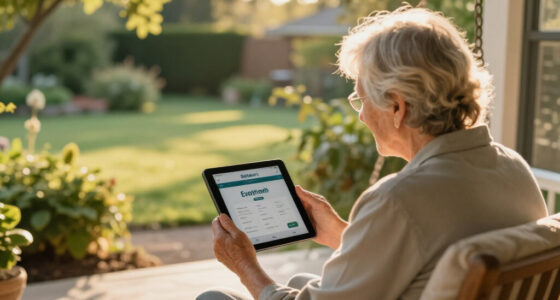
Recent technological breakthroughs have dramatically expanded what magnifiers can do, making them more versatile, affordable, and user-friendly. Smartphone apps now serve as portable magnifiers, utilizing the device’s camera and AI to recognize text, read it aloud, and even identify objects or colors. This integration brings high-quality magnification to devices many already own, reducing the need for specialized equipment. Compact electronic magnifiers with high-resolution screens and adjustable contrast are becoming more accessible, offering features like image saving, OCR (optical character recognition), and connectivity to computers or tablets. These advancements enable users to capture images of text or objects, manipulate them for clarity, and access assistive features on familiar devices.
For example, you might take a photo of a street sign with your smartphone and have the text read aloud instantly, or use a pocket-sized electronic magnifier to zoom in on a recipe while cooking, adjusting colors and contrast for optimal readability. Such tools reduce dependence on bulky equipment and allow for seamless integration into daily routines. The implications are profound: increased independence, faster access to information, and the ability to adapt to various environments more easily. These innovations are transforming low vision aids from static devices into dynamic, intelligent tools that respond to individual needs and preferences, empowering users to navigate the world with greater confidence.
As an affiliate, we earn on qualifying purchases.
How Do You Choose the Right Aid for Your Lifestyle?
Selecting the ideal magnifier or reading aid requires a thoughtful assessment of your daily routines, preferences, and specific visual challenges. Consider how you use your vision aids: do you need something portable for errands, or is a larger, stationary device better for extended reading at home? Think about your comfort with technology; if you’re tech-savvy, electronic options with customizable features might suit you. If you prefer simplicity, basic handheld lenses or stand magnifiers may be more appropriate. Budget is also a factor; while high-tech aids can be expensive, many affordable options exist, including smartphone apps and community programs that offer low-cost or loaner devices.
Understanding your priorities—such as the need for contrast adjustment, text-to-speech, or portability—guides your decision-making. Consulting a low vision specialist can provide valuable insights, including personalized device recommendations and training to maximize effectiveness. Remember, the right device is one that integrates smoothly into your lifestyle, enhances your independence, and reduces frustration. Taking the time to evaluate your routines and trying out different options can lead to a more satisfying and functional solution.
Frequently Asked Questions
What type of magnifier is best for my specific vision loss?
The best magnifier depends on your level of vision impairment and what tasks you want to perform. A low vision specialist can assess your needs and recommend options such as handheld, stand, or electronic magnifiers tailored to your lifestyle.
Are electronic magnifiers worth the investment?
Many users find electronic magnifiers highly effective, especially with features like adjustable contrast and speech. They can significantly improve reading speed and comprehension, making them a worthwhile investment for those with moderate to severe low vision.
Can magnifiers help with reading small print on digital screens?
Yes. Many electronic magnifiers and smartphone apps are designed to enlarge digital text, making reading easier. Some also incorporate OCR and text-to-speech, further easing access to small print on screens.
How do I choose the right magnification level?
Start with a moderate magnification (around 3x to 6x) for general tasks. If you struggle with tiny print, consider higher levels (10x or more). Testing different magnifiers and consulting professionals can help find your ideal level.
Are there affordable options for low-income individuals?
Yes. Smartphone apps, basic handheld lenses, and community programs can provide effective low-cost solutions. Local organizations and low vision clinics often offer assistance or loaner devices to help bridge the gap.
Conclusion
Magnifiers and reading aids are more than just tools — they’re gateways to independence. Whether it’s a handheld lens or a smart electronic device, choosing the right aid can transform daily challenges into manageable tasks. Remember, the best device is the one that fits your lifestyle and helps you see the world more clearly.
Take your time, explore recent innovations, and don’t hesitate to seek professional advice. Your clarity and confidence are worth it — because everyone deserves to experience the joy of seeing the details that make life beautiful.