
TL;DR
A monthly safety check routine for older homes involves inspecting structural elements, electrical systems, plumbing, fire safety, and exterior features. Regular checks prevent hazards and save money on costly repairs. Staying proactive keeps your home safe and secure.
Imagine walking into your home and noticing a crack in the basement wall or a flickering light in the hallway. Small signs like these can hide bigger problems—especially in older homes. A simple, consistent routine can catch issues before they become emergencies.
This guide walks you through a practical monthly safety check routine. It’s like giving your home a health scan—preventing hazards, saving money, and keeping everyone safe. Ready to make your home safer, one month at a time?
Perform a visual inspection of your home’s foundation and support structures every month to catch early signs of deterioration.
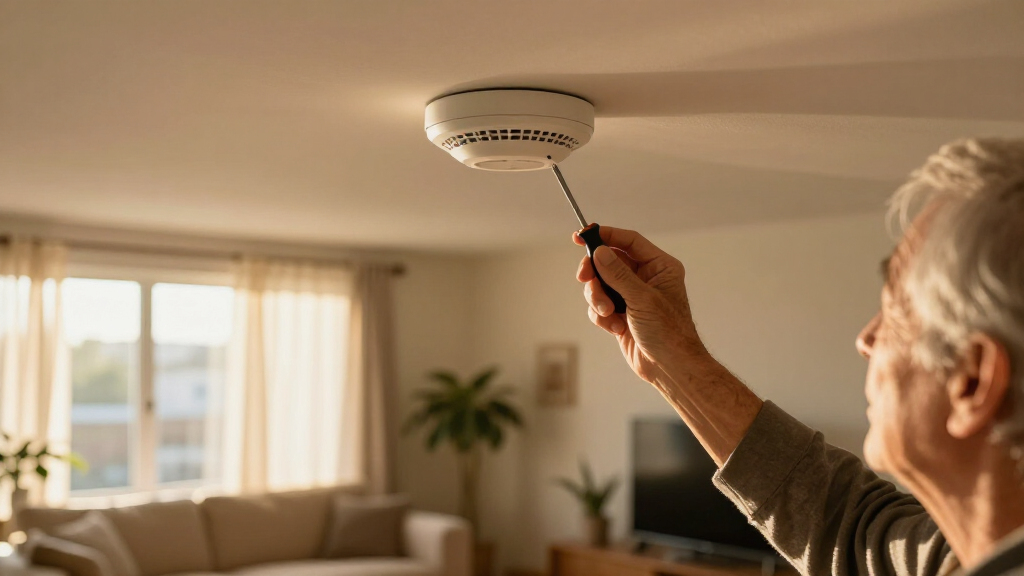
Test smoke and carbon monoxide detectors monthly, replacing batteries at least twice a year to maintain reliable alerting.
Check plumbing fixtures for leaks and corrosion to prevent water damage and mold growth.
Inspect electrical outlets, wiring, and circuit breakers regularly to reduce fire risks.
Review the exterior, including the roof and gutters, to prevent water intrusion and pest entry.
How to Spot Structural Weaknesses Before They Get Worse
Structural issues often hide behind peeling paint or minor cracks. But these signs can signal serious problems—like foundation shifts or weakened support beams. During your monthly check, focus on visible cracks in walls, uneven floors, or doors that stick.
Understanding why these signs matter is crucial. For example, a crack wider than a quarter inch or new cracks appearing in the basement could suggest that the foundation is shifting or settling, which can compromise the entire stability of your home. Early detection is vital because ignoring these signs can lead to costly repairs or even safety hazards like collapsing walls or floors. If you notice anything odd, consult a professional for a thorough assessment to prevent small issues from escalating into major problems.

First Alert Battery Combination Smoke & Carbon Monoxide Alarm
- Advanced sensing technology: Reduces false alarms and detects early fire
- Dual protection: Detects both smoke and carbon monoxide
- Battery operated: Easy to install and maintain
As an affiliate, we earn on qualifying purchases.
As an affiliate, we earn on qualifying purchases.
Electrical Safety Checks That Could Save Your Home from Fires
Electrical fires are a leading hazard in older homes. The key is testing your GFCI outlets monthly, especially in kitchens and bathrooms, where water increases the risk of electrocution and fire. Unplug frayed cords, and look for scorch marks around outlets or switches—these are signs of overheating that could ignite a fire.
Understanding the importance of these checks is critical: faulty wiring or damaged outlets can cause sparks, shorts, or overloads that ignite nearby materials. Regularly testing circuit breakers and replacing damaged wiring or outlets can prevent fires before they start. Remember, safety isn’t just about avoiding shock; it’s about preventing potential fires that can destroy your home and endanger lives. Staying vigilant with electrical safety checks helps you maintain a safe environment and avoid catastrophic damage.

Klein Tools RT250 GFCI Outlet Tester with LCD Display, Electric Voltage Tester for Standard 3-Wire 120V Electrical Receptacles
- LCD Display: Large backlit LCD for easy readings
- Trip Time Monitoring: Displays GFCI trip time for troubleshooting
- Wiring Fault Detection: Identifies common wiring issues
As an affiliate, we earn on qualifying purchases.
As an affiliate, we earn on qualifying purchases.
Water and Plumbing Safety: Prevent Leaks and Mold
Leaks and moisture are sneaky threats that can cause significant damage and health issues like mold, which can impact respiratory health—especially in older homes with aging plumbing. Check under sinks, around toilets, and near water heaters for signs of leaks or corrosion, such as water stains or mineral deposits. Feel for dampness, which can be an early indicator of a hidden leak.
Understanding why this matters is essential: even a small, slow leak can lead to extensive water damage, weaken structural elements, and promote mold growth that’s hazardous to health. For example, a slow drip from a rusty pipe joint might seem minor but can cause wood rot or mold over time if left unaddressed. Regularly inspecting water pressure, looking for signs of corrosion, and fixing slow drains prevent backups and water damage. Staying vigilant about plumbing issues preserves your home’s integrity and protects your family’s health.

Concrete Crack Monitor, Crack Monitoring Record Standard Tell-Tale Crack Monitor for the Standard and Corner Tell-Tale (`1PC)
- Measurement Display: Cross hairs show crack displacement
- Vertical Accuracy: ±1 mm with tick marks
- Horizontal Range: ±20 mm horizontal, ±10 mm vertical
As an affiliate, we earn on qualifying purchases.
As an affiliate, we earn on qualifying purchases.
Fire Safety: Protect Your Home with Monthly Checks
Fire safety starts with working smoke and carbon monoxide detectors. Test each device monthly by pressing the test button until you hear the alert—this ensures they’re functioning properly when you need them most. Changing batteries every six months prevents false alarms or complete failure during emergencies.
Recognizing why this is critical: a smoke detector with dead batteries or malfunctioning CO detector can mean the difference between life and death in a fire or CO poisoning incident. Keep fire extinguishers accessible, fully charged, and regularly inspected. Clearing clutter from exits and escape routes ensures everyone can evacuate quickly if needed. These simple, routine checks can significantly reduce the risk of injury or death during a fire, making your home a safer place for everyone.
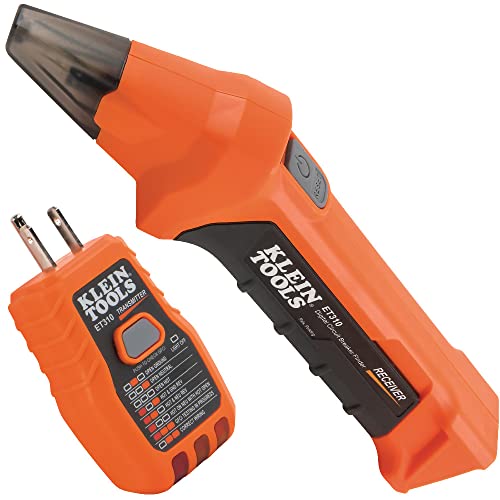
Klein Tools ET310 AC Circuit Breaker Finder, Electric and Voltage Tester with Integrated GFCI Outlet Tester
- Accurate Breaker Identification: Quickly locate the correct breaker
- Two-Part System: Transmitter and receiver for easy use
- Clear Visual and Audible Cues: Indicates when the correct breaker is found
As an affiliate, we earn on qualifying purchases.
As an affiliate, we earn on qualifying purchases.
HVAC and Air Quality Checks: Keep Your Home Comfortable and Safe
Your heater, furnace, and air conditioner need regular attention. Change filters every month during peak season, and schedule professional maintenance twice a year. Check for signs of a carbon monoxide leak—like a strange smell, soot around vents, or unexplained headaches.
Understanding the importance of these checks is vital because a malfunctioning HVAC system or a cracked pipe can leak deadly carbon monoxide without obvious signs. Regular inspections and timely repairs prevent dangerous leaks and ensure that your indoor air remains clean and safe. Proper maintenance also extends the lifespan of your equipment, saving you money in the long run while safeguarding your household’s health.
Exterior and Roof Checks to Keep Water Out and Pests Away
The home’s outside is its first line of defense. Look for missing shingles, damaged gutters, or clogged downspouts that could cause leaks or water damage. Notice if windows or doors have gaps—drafts are a sign they need sealing.
Understanding why this matters: compromised roofing and poorly sealed windows can allow water intrusion, leading to structural damage, mold, and pest entry. For instance, a gust of wind rattling a loose window can create gaps that let rain in during storms. Regularly inspecting and repairing these vulnerabilities not only prevents water damage but also discourages pests like rodents and insects from entering your home. Maintaining the exterior is an investment in your home’s longevity and your family’s health.
A Simple Monthly Checklist to Keep Everything in Check
Here’s a straightforward list to follow each month:
- Inspect foundation cracks and uneven floors
- Test smoke and CO detectors; replace batteries if needed
- Check under sinks and around water heaters for leaks
- Examine electrical outlets, switches, and cords for damage
- Clean or replace HVAC filters
- Look over the roof for missing shingles or damage
- Clear debris from gutters and downspouts
- Inspect windows and doors for drafts or damage
- Review fire extinguishers and escape routes
This quick routine takes about 15 minutes but can save you thousands in repairs or prevent accidents.
Frequently Asked Questions
How often should I perform a full safety inspection in my older home?
A detailed safety inspection should be done at least once a year, but a quick monthly check as outlined here helps catch issues early. Regular attention keeps hazards from slipping through the cracks.What are the most common hazards in older homes?
Electrical fires, mold from leaks, structural weaknesses, and outdated plumbing are common risks. Regular checks help identify these hazards before they cause serious problems.When should I call a professional for repairs or inspections?
For complex issues like foundation cracks, wiring problems, or roofing damage, it’s best to call a licensed professional—preferably annually or if you notice signs of trouble.Are there safety upgrades I should consider for my older home?
Yes, installing smart smoke and CO detectors, updating electrical wiring, sealing drafts around windows and doors, and adding water leak sensors can significantly boost safety.Can I do these safety checks myself or should I hire someone?
Many routine checks are simple enough to do yourself, but for structural, electrical, or plumbing issues, consulting a professional is wise for safety and peace of mind.Conclusion
Making a habit of a monthly safety check transforms your home into a fortress of safety and peace of mind. It’s a small investment of time that pays off by preventing hazards and costly repairs.
Imagine your home as a living, breathing space that stays safe and sound, season after season. Keep up the routine, and you’ll protect your home—and your loved ones—for years to come.