
TL;DR
Choosing a fall mat for the bedside involves assessing safety, size, material, and ease of maintenance. Proper placement and recent innovations boost protection, making fall prevention more effective.
Falls happen in a flash. One moment, you’re adjusting in bed, and the next, a stumble on the bedside floor can lead to serious injuries. Choosing the right fall mat isn’t just about padding — it’s about creating a safer space that minimizes harm without adding hassle. If you’re caring for a loved one or managing your own safety, understanding what makes a good fall mat can make all the difference.
This guide will walk you through the key features to look for, recent innovations that could boost safety, and practical tips to pick a fall mat that fits your needs. Because when it comes to fall prevention, a thoughtful choice can turn your bedroom into a safer haven.
Choose a fall mat with a non-slip base, adequate cushioning, and safety certifications.
Larger mats offer better fall coverage, especially for active or restless sleepers.
Materials like foam or gel-infused layers improve shock absorption and comfort.
Regularly inspect and clean your fall mats to maintain safety and hygiene.
Recent tech advances, like sensors and antimicrobial surfaces, add extra layers of protection.
What Makes a Bedside Fall Mat Truly Safe?
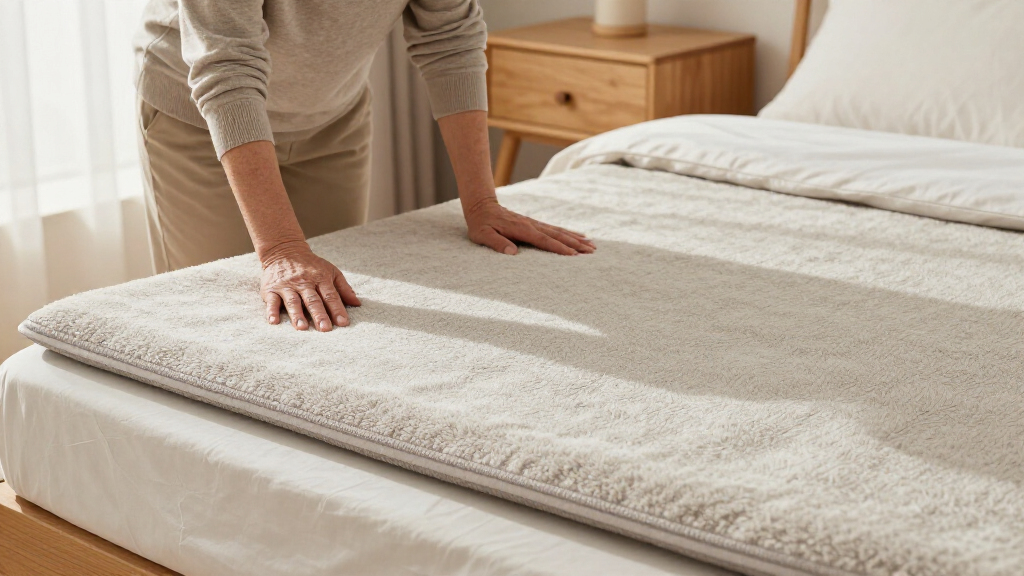
Safety tops the list. A good fall mat absorbs shock, reduces impact, and stays firmly in place. It must cushion falls without slipping or causing tripping hazards. Think of it like a gentle landing pad — sturdy enough to protect, but not so soft that you sink or slide.
For example, a lightweight foam mat with a non-slip bottom can stay put when someone rolls or shifts in bed. The material should be durable, easy to clean, and resistant to wear and tear. Look for certifications or safety standards (like ASTM) that verify the product’s reliability. Remember, a fall mat’s job is to soften the blow — not to replace supervision or other safety measures.
Beyond basic safety features, it’s essential to consider how the mat interacts with the environment. For instance, overly soft mats might cause instability if they shift or deform under weight, potentially creating new tripping hazards. Conversely, overly rigid mats might not absorb enough impact, increasing injury risk. The goal is a balanced design that cushions falls effectively while maintaining stability. Choosing a mat with a non-slip backing and appropriate firmness ensures it stays in place during sudden movements, which is critical for safety.
It’s also important to recognize that safety features must be balanced with usability. A mat that is too thick or too soft might be comfortable but could impede mobility or make it harder for the person to get in and out of bed safely. Conversely, a very firm mat might not provide enough impact absorption. Therefore, understanding the tradeoffs—such as comfort versus stability—is key to selecting the most appropriate product for individual needs.
As an affiliate, we earn on qualifying purchases.
Size Matters: How Big Should Your Bedside Fall Mat Be?
Size is a critical factor. A small pad might cover the area right next to the bed, but a larger mat can catch falls from a wider range of movement. Typical sizes range from compact 2×3 foot pads to larger 4×6 foot options.
Imagine a person who frequently shifts in bed. A larger mat that extends a foot or two beyond the bed’s edge offers more protection. Conversely, a tiny mat might be easier to slip under the bed or store away when not needed. The key is to match the mat size to your space and risk areas.
For example, if your loved one tends to roll out of bed, a 3×6 foot mat placed along the side can catch accidental falls better than a small cushion.
However, larger mats can sometimes be more cumbersome to move or clean, so consider the tradeoffs between coverage and practicality. The ideal size depends on the individual’s mobility, the layout of the room, and how often the mat needs to be repositioned or stored. Proper sizing ensures maximum coverage without creating new hazards or inconvenience. It’s also worth considering that a larger mat might provide a more consistent barrier against falls, but could be more difficult to handle or adjust as needs change. Finding the right size involves balancing comprehensive protection with ease of use, especially in spaces where caregivers need to reposition or clean the mat frequently.

NYOrtho Fall Mat Elderly – 70" x 24" – Protection – Safety Mat Reduces Impact – Anti-Slip Mats Elderly – Bedside Floor – Fallshield – Bed Floor
- Bedside Injury Prevention: Reduces injuries with full coverage
- Impact Absorbing Foam: High-density molded foam for safety
- Non-Slip Surface: Secure grip on various floors
As an affiliate, we earn on qualifying purchases.
As an affiliate, we earn on qualifying purchases.
Material and Comfort: What Makes a Fall Mat Feel Right?
Materials like foam, rubber, or gel-infused layers determine how well a mat performs. Foam offers good shock absorption and lightweight handling. Rubber provides durability and slip resistance. Gel layers add extra cushioning, especially for those with fragile bones or joint issues.
Imagine stepping onto a soft, textured surface that feels like a memory foam mattress — comfortable and reassuring. The surface should also be non-slip, especially if the floor tends to be slick or if the mat is used in a high-moisture environment.
Choosing the right material impacts both safety and comfort. For example, foam mats with textured surfaces help prevent slips, especially if the individual is often unsteady on their feet. Rubber mats can withstand frequent cleaning and resist moisture, reducing mold or bacteria growth. Gel-infused layers provide extra cushioning, which can be particularly beneficial for seniors with osteoporosis or joint pain, as they help distribute impact forces more evenly and reduce strain on vulnerable areas.
Ultimately, selecting a material that balances cushioning, durability, and slip resistance ensures the mat feels secure and comfortable, encouraging consistent use and maximizing safety.
It’s also important to consider how the material affects the overall safety profile. For instance, a very soft foam might feel plush but could also be more prone to compressing under weight, reducing its shock absorption over time. Conversely, a dense rubber mat might be more durable but less forgiving if someone falls directly onto it. The choice of material should align with the specific needs of the user—such as bone fragility, mobility level, and environment—to optimize both comfort and safety.
NYOrtho Fall Mat Elderly – 70" x 24" – Protection – Safety Mat Reduces Impact – Anti-Slip Mats Elderly – Bedside Floor – Fallshield – Bed Floor
- Bedside Injury Prevention: Reduces injuries with full coverage
- Impact Absorbing Foam: High-density molded foam for safety
- Non-Slip Surface: Secure grip on various floors
As an affiliate, we earn on qualifying purchases.
As an affiliate, we earn on qualifying purchases.
How to Pick a Fall Mat That Fits Your Space and Lifestyle
- Measure your space carefully. Know the exact area where falls are most likely to happen.
- List your priorities: Is portability important? Do you need a waterproof surface? How much cushioning do you want?
- Compare features: Size, material, weight, ease of cleaning, and safety certifications.
- Test the fit. Place the mat in the spot and see if it stays secure and doesn’t obstruct access.
- Maintain regularly — inspect for tears, dirt, or wear. Clean according to manufacturer instructions.
Imagine a caregiver who finds a lightweight, foldable foam mat that’s easy to move and clean. It’s a perfect fit for a dynamic environment where flexibility matters.
Choosing the right fall mat involves balancing practical considerations like size and portability with safety features and ease of maintenance. A well-fitting mat that stays securely in place and is simple to clean encourages consistent use, which is vital for effective fall prevention. Remember, the best choice depends on your specific needs — whether you prioritize mobility, hygiene, or coverage area. Taking the time to assess these factors ensures that the mat will serve as a reliable safety tool in the long run.

VEVOR Fall Mat for Elderly, 3/4-inch Thickened Fall Prevention Pad with Beveled Edge, Anti-Slip Bedside Safety Floor Mat for Seniors, Handicaps, Patients (24 x 70 inch)
- Enhanced Impact Absorption: PVC textured surface with high-resilience foam
- Dual Anti-Slip Design: Non-slip surface and bottom for safety
- Beveled Edges: Facilitates wheelchair access and reduces tripping
As an affiliate, we earn on qualifying purchases.
As an affiliate, we earn on qualifying purchases.
Latest Innovations That Boost Bedside Fall Safety
Technology is making fall mats smarter. Some now include pressure sensors that alert caregivers if a fall occurs, or even detect when someone is trying to get out of bed. Others are made with antimicrobial surfaces to keep hygiene high.
Picture a mat that sends an immediate alert to your phone when it senses a sudden impact — giving you peace of mind. Modular designs allow you to customize coverage, while gel-infused layers provide extra comfort.
According to recent safety trends, integrating mats with electronic monitoring creates a comprehensive safety net, especially useful for high-risk individuals.
These innovations not only enhance safety but also provide valuable data that can inform care plans. For instance, sensors that detect frequent attempts to get out of bed can signal the need for additional support or environmental adjustments, making these tech-enabled mats a vital addition to modern fall prevention strategies.
Common Pitfalls and How to Avoid Them
Choosing a mat that’s too small, too soft, or poorly secured can backfire. A mat that slips or doesn’t absorb enough shock might give a false sense of security. Also, avoid mats that are difficult to clean or store.
For example, a caregiver once used a thin foam pad that slid every time her loved one moved, making it useless. Regularly inspect mats for tears or dirt, and always place them on a flat, non-slippery floor.
Remember, a fall mat is part of a bigger safety plan. It’s not a magic fix — supervision, environmental modifications, and caregiver vigilance are equally vital.
Additionally, selecting a mat with inadequate shock absorption or improper securing features can inadvertently increase risk. For example, mats that slide during use might cause falls rather than prevent them. Failing to regularly inspect and maintain the mats can lead to hidden damage or dirt buildup, which reduces their effectiveness and hygiene. To avoid these pitfalls, always choose mats with reliable grip features and easy-to-clean surfaces, and incorporate them into a comprehensive safety strategy that includes supervision and environmental adjustments.
Frequently Asked Questions
How do I know what size fall mat I need?
Measure the area around the bed where falls are most likely — usually the side or foot of the bed. For added protection, choose a mat that extends at least one foot beyond the risk zone. Larger mats provide more coverage but may be less portable.
Are fall mats suitable for all ages or just seniors?
While primarily designed for seniors or those with mobility issues, fall mats can benefit anyone at risk of falling. They’re especially useful in medical or assisted living settings for added safety.
How easy are these mats to clean?
Most fall mats are designed with ease of maintenance in mind. Many have waterproof surfaces and simple wipe-clean features. Always follow the manufacturer’s instructions for cleaning and care to ensure longevity and safety.
Can a fall mat prevent all injuries?
No safety device can eliminate all fall risks. A fall mat reduces injury severity but should be part of a broader safety plan, including supervision, environmental modifications, and proper use.
What safety standards should I check for?
Look for products certified by recognized organizations like ASTM or CE. Certifications ensure the mat meets minimum safety and quality standards, giving you added confidence in its effectiveness.
Conclusion
A fall mat isn’t just a cushion — it’s part of a larger safety puzzle. Picking one that fits your space, needs, and safety standards can make a real difference in preventing injuries. Remember, the best fall prevention strategy combines a well-chosen mat, vigilant supervision, and a clutter-free space.
Think of it as creating a soft, secure landing zone in your loved one’s bedroom. Small choices today can turn a risky fall into a safe step forward — transforming the bedroom into a refuge of peace and security.