
TL;DR
Prime for Young Adults — start your free trial
Fast free delivery, streaming and member deals for eligible 18–24 year olds.
Try it freeAs an affiliate, we earn on qualifying purchases.
The Consumer Product Safety Commission (CPSC) has announced a new initiative to collect emergency room data from hospitals across the U.S. This effort aims to enhance product safety oversight and prevent injuries. The program is in the early stages, with details still emerging.
The Consumer Product Safety Commission (CPSC) has officially begun collecting emergency room data from hospitals nationwide to monitor injuries linked to consumer products more effectively. This initiative marks a significant step toward proactive safety oversight, aiming to identify dangerous products earlier and reduce injury rates.
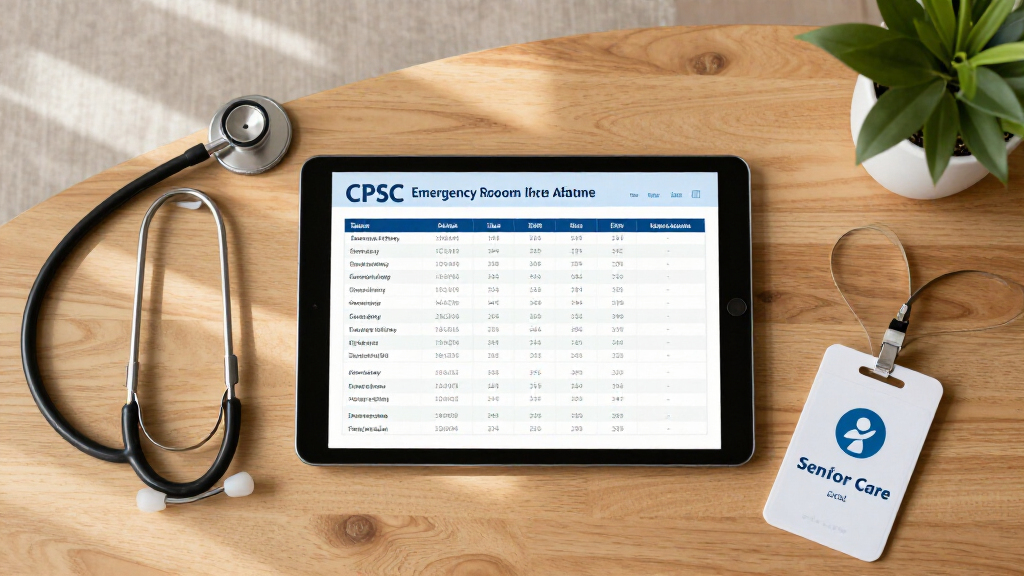
The CPSC’s new data collection effort involves partnering with hospitals to gather detailed reports of injuries treated in emergency rooms that are associated with consumer products. According to a spokesperson from the CPSC, the program is designed to compile comprehensive injury data, including the type of injury, product involved, and circumstances of the incident. The initiative was announced in March 2024 and is currently in the pilot phase, with plans to expand nationwide.
Officials say this approach will help the agency identify emerging safety issues more rapidly than traditional reporting methods, which often rely on voluntary submissions from manufacturers or delayed incident reports. The data collected will be analyzed to inform recalls, safety standards, and public advisories. Hospitals participating in the program will provide anonymized data to protect patient privacy, and the CPSC is working to ensure compliance with health privacy laws.
Why Emergency Room Data Collection Enhances Consumer Safety
This initiative is significant because it represents a shift toward real-time injury monitoring, enabling the CPSC to act more swiftly on potential hazards. By systematically analyzing emergency room reports, the agency can identify dangerous products before widespread injuries occur, potentially preventing harm and saving lives. The program also aims to fill gaps in existing safety data, which often underreports or delays incident reporting.
For consumers, this means improved safety standards and quicker responses to hazardous products. For manufacturers, it could lead to earlier identification of design flaws or safety issues, prompting proactive recalls or modifications. Overall, this effort could lead to a reduction in injuries caused by consumer products across the country.
As an affiliate, we earn on qualifying purchases.
Background of CPSC Data Collection Efforts
The CPSC has historically relied on voluntary reporting by consumers, manufacturers, and retailers, which can be delayed or incomplete. In recent years, there has been increased pressure from lawmakers and consumer advocates to improve injury surveillance and response times. The agency has also faced scrutiny over its ability to quickly identify hazardous products, especially in cases where injuries are underreported or not linked to specific products.
In response, the CPSC announced plans in early 2024 to develop a more systematic, data-driven approach by partnering with hospitals to access emergency room injury reports. This move aligns with broader efforts to modernize safety oversight and leverage health data for public protection.
“This new data collection initiative will allow us to identify safety concerns more rapidly and take action before injuries become widespread.”
— CPSC Chair Alex Johnson
home safety injury prevention products
As an affiliate, we earn on qualifying purchases.
As an affiliate, we earn on qualifying purchases.
Uncertainties About Data Scope and Implementation Timeline
It is not yet clear how many hospitals will participate in the initial pilot phase or how quickly the program will expand nationwide. Details about data privacy safeguards, specific data points collected, and how the information will be used for regulatory actions remain under development. Additionally, some industry groups have raised concerns about the potential for increased regulation based on this data collection.
emergency room injury monitoring devices
As an affiliate, we earn on qualifying purchases.
As an affiliate, we earn on qualifying purchases.
Next Steps for Program Expansion and Data Analysis
The CPSC plans to finalize agreements with participating hospitals in the coming months and begin pilot data collection. The agency will evaluate the effectiveness of the program and consider expanding it to more hospitals across different regions. Data analysis efforts are expected to start shortly after data collection begins, with preliminary findings anticipated within six months. Public updates and detailed reports are expected as the program progresses.
childproof safety locks for cabinets
As an affiliate, we earn on qualifying purchases.
As an affiliate, we earn on qualifying purchases.
Key Questions
How will patient privacy be protected in this data collection?
The CPSC states that all injury reports will be anonymized to protect patient identities, complying with health privacy laws such as HIPAA. Data sharing agreements will specify strict confidentiality and security protocols.
What types of injuries will be included in the data collection?
The program aims to gather reports related to injuries linked to consumer products, including cuts, burns, choking, and other common injury types treated in emergency rooms. Specific product categories are still being defined.
Could this lead to increased product recalls?
Potentially, yes. The collected data could help the CPSC identify hazardous products more quickly, leading to earlier recalls or safety warnings. However, the process for regulatory action will depend on the analysis of the injury data.
When will the program be fully operational nationwide?
The CPSC has not provided a specific timeline for full nationwide rollout. The initial pilot phase is expected to last several months, with expansion plans under consideration based on pilot success.
Source: google-trends
Fall Picks
fall essentials
As an affiliate, we earn on qualifying purchases.