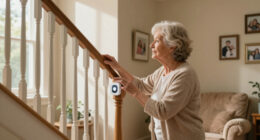

TL;DR
Get ready for Prime Big Deal Days — try Prime free
Exclusive member deals on October 6–7, plus fast free delivery. Cancel anytime.
Start your free trialAs an affiliate, we earn on qualifying purchases.
Making bed transfers easier involves adjusting bed height, using assistive devices, and strengthening muscles. These small changes reduce fall risk and boost independence for older adults.
Getting in and out of bed shouldn’t feel like a dangerous mountain climb. Yet, for many older adults or those with mobility issues, it can be a daily challenge filled with risk. Imagine the heavy, awkward push to swing your legs over the side, or the fear of losing balance on a slippery floor.
In this guide, you’ll learn straightforward ways to make bed transfers safer and easier. From simple setup tweaks to helpful gadgets, these tips can make a real difference in your daily comfort and independence.
Adjust your bed to knee height to reduce effort and fall risk during transfers.
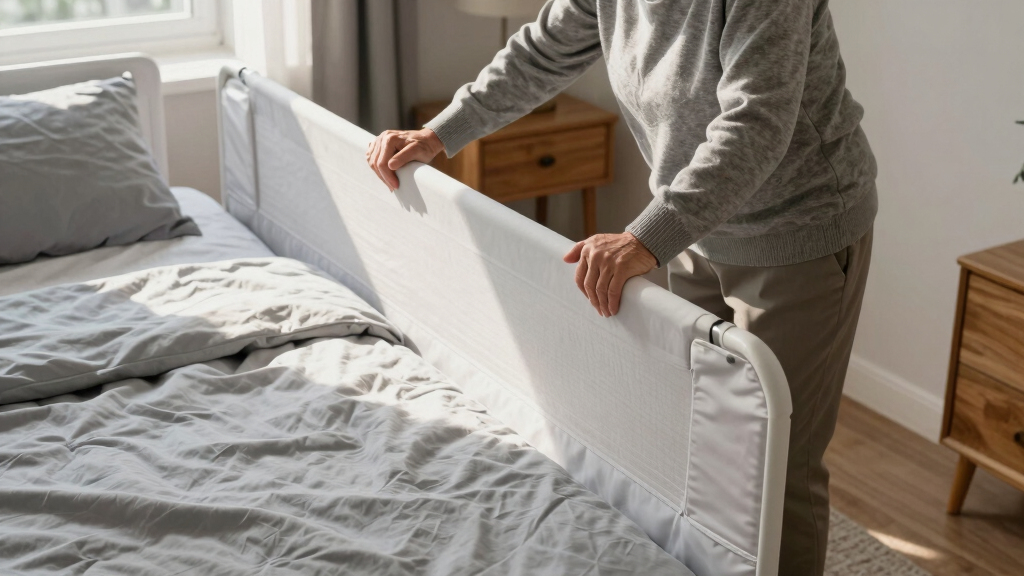
Use assistive devices like bed rails and transfer poles to support safe movement.
Practice simple, deliberate techniques like sitting slowly and pushing through your arms.
Strengthen your muscles and improve balance with daily exercises to boost independence.
Explore modern bed options, including adjustable and smart beds, for added safety and comfort.
Getting In and Out of Bed More Easily
Bed transfers should feel controlled—not like a dangerous mountain climb. A better bed height, a clear route, supportive equipment and deliberate movement can reduce strain, lower fall risk and protect everyday independence.
Research cited in this guide associates knee-level bed height with substantially easier transfers.
Sit slowly, establish balance, then stand with controlled support.
Lighting, clear floor space and stable handholds remove avoidable hazards.
Build a safer landing zone
The bedroom does much of the safety work before you move. Aim for a mattress height that lets both feet rest firmly on the floor, then remove trip hazards and make the route visible at night.
Match the knees
Measure from the floor to the top of the mattress. When seated at the edge, hips should be near knee level and feet should touch down comfortably.
- Too low increases the effort needed to stand
- Too high can leave feet unsupported
- Recheck height after changing the mattress
Protect the pathway
Create enough room for feet, a walker or a helper. Loose rugs, charging cables, shoes and bedding near the floor can turn a routine transfer into a fall hazard.
- Keep mobility aids within safe reach
- Secure rugs or remove them entirely
- Prevent blankets from trailing on the floor
Light every step
Use a bedside switch or motion-activated night-light. Clear visibility is especially important when reactions are slower or vision is reduced.
- Illuminate the bed edge and floor
- Avoid glare directly into the eyes
- Keep switches reachable without leaning
The bed-height safety spectrum
The practical target: while seated, place both feet flat with knees comfortably bent. Individual anatomy and mobility needs matter more than a fixed measurement.
Target: stable feet + level hips
Tools that provide leverage
The best aid is stable, correctly fitted and easy to use with your current grip, coordination and strength. Installation matters: loose rails or uneven risers can introduce new risks.
| Device | Primary benefit | Ease of use | Important check |
|---|---|---|---|
| Bed rail | ✓Offers a handhold for rolling, sitting and standing. | Easy when grip strength is sufficient. | Confirm secure attachment and safe placement to avoid entrapment gaps. |
| Adjustable risers | ✓Raises the entire sleeping surface toward knee level. | Simple once correctly positioned. | Use compatible risers on every support point; check for rocking or sliding. |
| Transfer pole | ~Provides leverage while weight shifts from sitting to standing. | Requires coordination and some upper-body strength. | Professional fitting or guided practice may be needed. |
| Adjustable bed | ✓Raises the upper body and may reduce the work of sitting up. | Convenient controls; minimal manual repositioning. | Choose controls that are reachable and easy to understand. |
| Bedside furniture | ✗May appear to offer a convenient handhold. | Accessible, but often unsafe for weight-bearing. | Do not push on furniture unless it is specifically designed and secured for support. |
Equipment should match the user, mattress, bed frame and room. Ask an occupational therapist or qualified professional to assess uncertain setups.
A safer exit, step by step
Slow movement gives the body time to manage dizziness, stiffness and changes in balance. Each pause is a safety check—not wasted time.
Roll onto your side
Bend the knees slightly and move shoulders and hips together.
Push to sitting
Use the forearm, hand or approved rail while lowering the legs.
Pause at the edge
Sit upright until dizziness passes and balance feels steady.
Place feet firmly
Keep feet flat, slightly apart and close enough to the bed.
Lean and push
Bring the chest forward, engage the core and stand without jerking.
Sit or lie back safely, ask for assistance and seek medical advice when symptoms are new, severe or persistent.
Train the movements you need
Leg strength helps you rise, core control steadies the trunk and balance practice improves confidence during weight shifts. Work within your ability and use stable support.
Simple daily practice
Choose a safe dose that does not aggravate symptoms.
Adjustable and smart beds
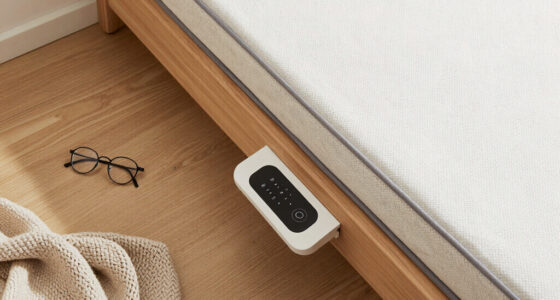
Powered positioning can help raise the torso, while newer sensor systems may monitor movement or alert caregivers. Technology works best when controls are simple, reliable and within reach.
When to request an assessment
Seek help for repeated falls, worsening weakness, new numbness, significant pain or transfers that require pulling on unstable objects. A clinician or occupational therapist can tailor equipment and technique.
The independence chain
Safer transfers emerge from several small improvements working together.
How Your Bed Setup Can Make Transfers Safer and Easier
Your bed’s height and arrangement play a big role in how smoothly you get in and out. A bed that’s too low or too high can make the process awkward or even dangerous.
For example, a bed at knee height allows you to sit down and stand up with less effort and less strain on your joints. When the bed is set at an optimal height, it reduces the need for excessive bending or reaching, which can cause discomfort or instability. Clear space around the bed isn’t just about avoiding tripping; it creates a safe zone that minimizes the risk of falling if you lose balance. Proper lighting ensures you see the surroundings clearly, preventing missteps, especially during those moments when your movement might be slower or less confident.
Tip: Measure your bed height from the floor to the top of the mattress. Ideally, it should match the height of your knees when seated. This alignment helps distribute your weight evenly and reduces the effort needed for transfers, which is crucial for conserving energy and preventing joint strain.
Why does this matter? Proper bed height acts as a foundation for safe movement. If the bed is too high, you might strain your back or knees trying to lift yourself; if too low, you risk losing balance or slipping. The tradeoff is that adjusting the height might require some equipment or modification, but the safety benefits far outweigh the inconvenience. Creating a well-lit, clutter-free space further enhances confidence and reduces hazards, especially for those with vision impairments or slower reactions.
As an affiliate, we earn on qualifying purchases.
Best Devices and Tools to Help You Get In and Out of Bed
Assistive devices can be a game-changer. Bed rails provide support when sitting or standing, giving you something sturdy to hold onto, which can prevent accidental falls. Bed lifts or risers elevate your sleeping surface to a more manageable height, reducing the effort and strain involved in transfers. However, choosing the right device depends on your specific needs—what works for one person might not suit another.
For example, a lightweight, ergonomic grab bar mounted on the headboard offers a secure handhold that can prevent slips if your grip weakens. Bed lifts that elevate your mattress make it easier to swing your legs over and push yourself up, but they can also alter the bed’s stability if not installed correctly. It’s important to balance convenience with safety, ensuring devices are securely attached and suitable for your weight and strength levels.
Why is this important? While these devices can significantly improve safety, improper selection or installation can introduce new risks, such as instability or difficulty in use. For instance, a bed rail that’s too loose may not support your weight, and an improperly installed riser could cause the bed to shift, increasing fall risk. Carefully choosing and maintaining these tools ensures that they serve as reliable supports, ultimately enabling safer and more confident transfers.
Here’s a quick comparison:
| Device | Benefit | Ease of Use |
|---|---|---|
| Bed rails | Provides support and prevents falls, especially when transitioning from sitting to standing | Easy to install; requires some grip strength to grasp securely |
| Adjustable bed risers | Raises the entire bed height easily, accommodating different needs and preferences | Simple to set up; can be adjusted or removed as needed but requires proper placement for stability |
| Transfer poles | Helps shift your weight during transfers, providing leverage and reducing effort | Requires some upper body strength and coordination; best used with guidance or practice |
As an affiliate, we earn on qualifying purchases.
Simple Techniques to Safely Get In and Out of Bed
Mastering safe techniques is about understanding your body’s mechanics and respecting its limits. Moving slowly and deliberately reduces the risk of losing balance. When you sit up, doing so gradually prevents dizziness and allows your muscles to adjust. Swinging your legs over the side of the bed should be a controlled motion, not rushed, to avoid sudden shifts in your center of gravity. Pushing through your hands or using aids like a bed rail or bedside table gives you leverage, making standing less strenuous and more stable.
Using your core muscles during transfers isn’t just about strength; it’s about control. Engaging your abdominal muscles stabilizes your spine and reduces the chance of wobbling or missteps. Proper technique minimizes joint strain, prevents falls, and conserves energy—especially important if you have arthritis or limited stamina.
Step-by-step:
- Sit upright slowly, keeping your back straight and feet flat on the floor to maintain balance.
- Place your hands on the bed or a nearby support, ensuring a firm grip.
- Lean forward slightly, swinging your legs down in a controlled manner, keeping your feet flat and close to the ground.
- Engage your core and push through your arms to stand steadily, avoiding rushing or jerking movements.
Why do these techniques matter? Moving with control and awareness reduces the likelihood of sudden shifts that could cause falls or joint strain. Rushing increases instability, especially if you have balance issues or weakness. Using aids properly and engaging core muscles help distribute effort evenly, making the transfer smoother and safer. The tradeoff here is that practicing these techniques takes patience and consistency, but the payoff is a significant reduction in injury risk and increased confidence in your mobility.
As an affiliate, we earn on qualifying purchases.
Exercises That Boost Strength and Balance for Safer Bed Transfers
Regular exercises are more than just physical activity; they’re a way to reinforce your body’s foundation—muscles and balance systems—that directly impact your ability to transfer safely. Stronger leg muscles reduce the effort needed to stand, which decreases strain on joints and minimizes fatigue during transfers. A stable core acts like a central support, helping you control movements and maintain balance when shifting positions. Without these muscle groups functioning well, even small movements can become difficult or unsafe, increasing fall risk.
For example, seated leg lifts target thigh muscles, which are essential for lifting your legs during transfers. Ankle circles improve joint flexibility and circulation, reducing stiffness and discomfort that can hinder movement. Balance drills like standing on one foot or heel-to-toe walking challenge your proprioception—the body’s sense of position—helping you develop the stability needed to prevent falls. Incorporating these exercises regularly can significantly enhance your confidence and safety during transfers.
Why is this important? Building strength and improving balance creates a more reliable physical foundation, making everyday movements smoother and safer. It also allows you to react better if you encounter unexpected slips or obstacles. The tradeoff is that these exercises require consistency and proper technique to avoid strain or injury, but over time, they can lead to meaningful improvements in mobility and independence.
Tip: Incorporate simple routines like sit-to-stand exercises or chair squats into your daily schedule. These mimic real transfer motions and build functional strength necessary for safe movement.
Why does this matter? Because the more your muscles and balance systems are trained, the less likely you are to experience falls or joint pain, and the more confident you’ll feel in your everyday movements. The effort invested in regular exercise pays off by maintaining or even improving your capacity to transfer safely, enabling greater independence.
electric adjustable bed for mobility
As an affiliate, we earn on qualifying purchases.
As an affiliate, we earn on qualifying purchases.
Recent Innovations Making Bed Transfers Safer and Easier
Technology is stepping up to help with bed mobility. Adjustable beds with motorized controls allow you to find your perfect height at the touch of a button, reducing the physical effort involved and making transfers smoother. This can be especially helpful for individuals with joint pain or limited strength, as it minimizes force and awkward movements.
Smart beds equipped with sensors can monitor your movements and alert caregivers if assistance is needed, providing an extra layer of safety. These innovations can also record your sleep and transfer patterns, helping healthcare providers tailor interventions. Lightweight transfer aids are evolving to include ergonomic grips and easier handling, which means less strain and more control during transfers.
For example, some new beds can automatically raise or lower based on your position, significantly decreasing the effort required to sit up or lie down. This automation is particularly useful during recovery from surgery or for individuals with arthritis, where even small movements can be painful or difficult.
Research continues to show that these innovations decrease fall risk and boost independence among older adults by making transfers less physically demanding and more predictable.
Tip: Consider investing in adjustable or smart beds if safety, ease, and reducing caregiver burden are priorities. These devices can be a worthwhile investment for long-term safety and comfort.
Why does this matter? These technological advances not only make transfers easier but also provide peace of mind for both users and caregivers. They reduce physical strain, prevent injuries, and promote independence. The tradeoff is the initial cost and learning curve, but the long-term benefits in safety and convenience can be substantial, especially for those with ongoing mobility challenges.
Frequently Asked Questions
How can I make getting in and out of bed safer for my parent or myself?
Start by adjusting the bed height to match your knees when seated, add supportive devices like bed rails, and practice safe techniques like sitting slowly and using your arms for leverage. These small changes can significantly reduce fall risk.
What are the best exercises to improve mobility for bed transfers?
Focus on strengthening your legs, core, and back through exercises like seated leg lifts, ankle circles, and standing balance drills. Even 5-10 minutes daily can build the muscle and stability needed for safer transfers.
Are there beds or equipment that can help make transfers easier?
Yes. Adjustable beds, bed risers, transfer poles, and bed rails are designed to support movement and reduce effort. Investing in these can create a safer, more comfortable environment for you or your loved ones.
What should I do if I experience pain or difficulty during transfers?
Consult a healthcare professional or occupational therapist for personalized assessment. They can recommend tailored exercises, equipment, or techniques to address your specific needs safely.
How can I prevent falls when getting in or out of bed?
Ensure your bedroom is well-lit, clutter-free, and that the bed is at an appropriate height. Use assistive devices and practice safe techniques to minimize the risk of slips or falls during transfers.
Conclusion
Getting in and out of bed more easily is within reach — literally. Small changes like adjusting bed height, adding supports, and staying active can make a big difference in your safety and confidence.
Imagine slipping into bed effortlessly tonight, knowing tomorrow’s transfer will be just as smooth. Your movement freedom starts with simple steps today — because comfort and independence are worth it.
NFL season / tailgating Picks
team gear
As an affiliate, we earn on qualifying purchases.