TL;DR
Lift recliners assist with standing and sitting, making them ideal for mobility challenges, while standard recliners focus on comfort and style. Recent tech and safety features make lift recliners a practical choice for many seniors.
Imagine easing into a chair that gently lifts you to your feet—no struggle, no strain. Now compare that to sinking into a standard recliner after a long day, hoping it’s just the right fit for comfort. These two types of chairs serve very different needs, yet many people don’t realize how distinct they are until they face mobility or safety challenges.
In this guide, you’ll learn how lift recliners and standard recliners stack up in terms of function, comfort, safety, and price. Whether you’re caring for an aging parent or adjusting your own space, understanding these differences can help you make a smarter, safer choice.
Lift recliners provide essential mobility support, making them safer for people with mobility challenges.
Standard recliners focus on comfort and style but lack aid for standing or sitting safety.
Recent innovations like battery backups and smart controls improve safety and convenience for lift recliners.
Choosing the right chair depends on evaluating mobility needs, space, budget, and personal style.
Regular maintenance and safety checks help keep any recliner functioning well and safe for daily use.
How Lift Recliners Compare to Standard Recliners
TL;DR: Lift recliners assist with standing and sitting, making them ideal for mobility challenges. Standard recliners prioritize comfort, style and flexible placement—but provide no transfer assistance.
Two chairs, two distinct purposes
Both chairs recline, but only one actively supports transfers. That distinction can change everyday comfort into practical independence for someone recovering from surgery or living with arthritis, Parkinson’s disease or reduced leg strength.
Lift recliner
A powered mechanism tilts and raises the chair so the user can move between sitting and standing with less joint and muscle strain.
- Powered lifting and reclining mechanism
- Remote or side-button operation
- Optional heat, massage and position memory
- Best suited to mobility and transfer support
Standard recliner
A manual lever or powered control moves the back and footrest, creating a comfortable resting position without helping the user stand.
- Manual or powered recline only
- Broader choice of fabrics, shapes and styles
- Usually more compact and less expensive
- Best suited to comfort and interior design
How they stack up
The strongest difference is not softness or recline angle—it is whether the chair reduces the physical effort required during a transfer.
| Feature | Lift recliner | Standard recliner |
|---|---|---|
| Primary purpose | ✓Standing, sitting and comfort | ~Comfort and style |
| Standing assistance | ✓Powered lift support | ×None |
| Mechanism | ✓Powered lift and recline | ~Manual or powered recline |
| Space needs | ~Typically larger | ✓Often more compact |
| Typical cost | ~$500 to $2,000+ | ✓Usually less expensive |
| Safety role | ✓Reduces transfer strain | ×No mobility aid |
| Extra features | ✓Heat, massage, memory, backup | ~Comfort and style options |
Where lift support changes the equation
Lift recliners can lower the effort needed to rise, reduce joint pressure and make transfers more controlled. They do not replace clinical guidance, balance aids or caregiver support when those are needed.
An anonymous research estimate for older adults with mobility issues; treat this as directional rather than a guarantee.
From need to everyday outcome
The value of a lift recliner is best understood as a connected chain: a mobility limitation changes the transfer, which changes physical effort, which can affect safety and independence.
Mobility challenge
Weakness, pain or recovery makes rising difficult.
Powered lift
The chair elevates and tilts the seated user.
Lower effort
Less force is demanded from joints and muscles.
Controlled transfer
Standing and sitting become steadier routines.
More independence
Daily comfort requires less physical assistance.
Battery backup
Allows supported chair movement during a power interruption.
Smart settings
Apps, Bluetooth and saved positions personalize operation.
Ergonomic support
Memory foam and adjustable headrests improve fit.
Soft-close motion
Smoother movement helps avoid abrupt position changes.
Improved motors
Quieter, energy-conscious mechanisms support daily use.
Better customization
More fabrics, colors and configurations narrow the style gap.
Choose around the person—not the feature list
Start with the hardest daily task. If getting safely in and out of a chair is already difficult, powered assistance deserves priority. If transfers are easy, comfort, appearance and value may carry more weight.
Safety and independence lead
- Standing from a low seat causes pain or strain.
- There is a history of falls or unstable transfers.
- The user is recovering from surgery or reduced mobility.
- Battery backup and powered positioning add real value.
Comfort and style lead
- The user stands and sits without assistance.
- Room size or flexible placement is a priority.
- A lower purchase price matters most.
- Fabric, silhouette and décor options drive the decision.
Four routine checks
Any recliner benefits from regular inspection. Powered models also require attention to electrical and backup systems.
Frequently asked questions
Good fit, correct placement and proper use are as important as the chair category itself.
Are lift recliners safe for seniors?
Yes, when correctly sized and used. Battery backup, soft-close movement and safety locks can add protection and confidence.
How much does a lift recliner cost?
Typical prices range from about $500 to more than $2,000, depending on motors, upholstery and comfort features.
Can a standard recliner be converted?
No. Lift chairs use integrated frames, motors and balance points. A dedicated lift recliner is the practical choice.
How much maintenance is required?
Usually modest: cleaning, electrical checks, battery testing and occasional professional motor servicing.
The bottom line
Lift recliners solve a mobility problem; standard recliners solve a relaxation problem. Match the chair to the user’s transfer ability, available space, budget and preferred style to create a safer, more comfortable home.
What Exactly Is a Lift Recliner? It’s More Than Just a Comfortable Chair
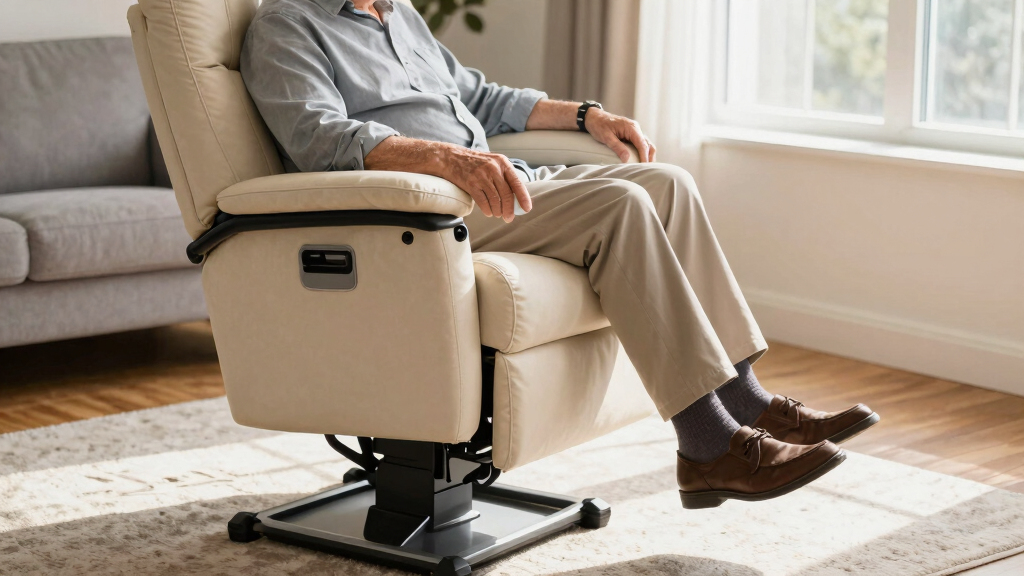
A lift recliner is a specially designed chair equipped with a powered lifting mechanism that helps you stand up or sit down with minimal effort. Think of it as a personal assistant that gently elevates you—perfect if you find it hard to get out of traditional seating.
For example, an elderly person recovering from surgery might find a lift recliner invaluable, reducing the risk of falls or strain. These chairs often come with extra features like heat, massage, and adjustable positions, making them more versatile than a typical recliner.
Understanding this, it’s clear that lift recliners are not just about comfort; they’re about safety and independence. The ability to assist with standing reduces the physical stress on joints and muscles, lowering the risk of falls—a leading cause of injury among seniors. However, this convenience comes with tradeoffs: they tend to be larger, more expensive, and require power sources, which might limit placement options. Recognizing these factors helps you decide if a lift recliner aligns with your or your loved one’s needs.
electric lift recliner chair for seniors
As an affiliate, we earn on qualifying purchases.
As an affiliate, we earn on qualifying purchases.
Standard Recliners: Comfortable, Stylish, But Not Built for Mobility Help
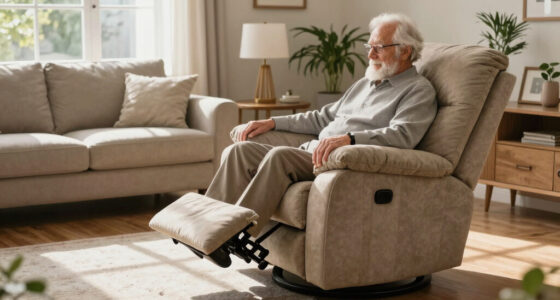
Standard recliners are the classic, cozy chairs many of us have in living rooms. They’re designed for relaxation, with manual levers or remote controls that let you lean back and stretch out. But they don’t help you get up—you’re on your own once seated.
Imagine sinking into a plush fabric chair after a long day, feeling the soft cushions mold to your body. While they excel at comfort, they lack the built-in assistive features of lift recliners, making them less suitable for those with mobility issues.
Because of this, standard recliners are a better fit for individuals who prioritize aesthetic appeal and comfort over mobility support. They offer a wide variety of styles, fabrics, and price points, making them accessible for many budgets and decor preferences. However, their limitation in providing assistance means they could pose safety risks for users with mobility challenges, such as difficulty standing or a history of falls. Recognizing these tradeoffs helps you evaluate whether comfort alone is sufficient or if additional safety features are necessary for your situation.
standard recliner sofa with plush upholstery
As an affiliate, we earn on qualifying purchases.
As an affiliate, we earn on qualifying purchases.
Lift Recliners vs. Standard Recliners: Here’s How They Stack Up
| Feature | Lift Recliner | Standard Recliner |
|---|---|---|
| Primary Purpose | Assist with standing and sitting | Provide comfort and style |
| Mechanism | Powered lift and recline | Manual or powered recline only |
| Size & Space | Larger, requires more room | More compact, versatile placement |
| Cost Range | $500–$2000+ | Typically less expensive, <$1500 |
| Safety & Support | Reduces fall risk, aids mobility | Focuses on comfort, no mobility aid |
| Features | Heat, massage, adjustable positions | Comfort-focused, style options |
Understanding these differences is crucial because it influences safety, independence, and daily comfort. If your goal is to enhance safety and ease of movement, opting for a lift recliner can make a tangible difference—helping prevent falls and reducing strain during transfers. For those primarily seeking aesthetic appeal and relaxation, standard recliners can be a cost-effective and stylish choice.
To make a more informed decision, consider creating a simple decision framework: list your top priorities—such as safety, comfort, style, and budget—and rank them. Then, match these priorities to the features of each chair type. This practical approach ensures your choice aligns with your specific needs and circumstances, leading to greater satisfaction and safety in your home.
As an affiliate, we earn on qualifying purchases.
Frequently Asked Questions
Are lift recliners safe for seniors?
Yes, when equipped with safety features like battery backup, soft-close mechanisms, and proper use, lift recliners are very safe for seniors. They significantly reduce fall risk and help maintain independence.
How much does a lift recliner typically cost?
Prices usually range from around $500 to over $2,000, depending on features like heat, massage, and motor quality. Investing in a good-quality chair can offer better safety and longevity.
Can I convert my existing recliner into a lift chair?
No, lift recliners are designed with built-in motors and mechanisms. Conversion isn’t practical or recommended. It’s best to choose a dedicated lift recliner from the start.
What maintenance do lift recliners need?
Regularly check electrical components, clean fabric and motors, and ensure the battery backup works. Most require minimal upkeep but benefit from periodic professional servicing.
How do I decide between a lift recliner and a standard recliner?
Assess your mobility, safety needs, space, and budget. If standing assistance is important, a lift recliner is worth considering. Otherwise, comfort and style might lead you toward a standard recliner.
As an affiliate, we earn on qualifying purchases.
Conclusion
Choosing between a lift recliner and a standard recliner boils down to understanding your specific needs. If safety and independence are top priorities, a lift recliner can transform daily routines from challenging to manageable. But if style and comfort are your main focus, a standard recliner still offers plenty of cozy options.
Imagine settling into the perfect chair that not only relaxes you but supports your movement. Your best choice sets the stage for a safer, more comfortable home—making everyday moments more effortless and enjoyable.