TL;DR
Get ready for Prime Big Deal Days — try Prime free
Exclusive member deals on October 6–7, plus fast free delivery. Cancel anytime.
Start your free trialAs an affiliate, we earn on qualifying purchases.
Making stairs safer at home involves ensuring good lighting, sturdy handrails, non-slip surfaces, and clutter-free steps. These small changes can reduce fall risks and protect loved ones of all ages.
Every year, thousands of falls happen on home stairs, often leading to serious injuries. It’s a silent hazard lurking in every staircase, waiting for a misstep. But good news: with a few simple changes, you can make your stairs safer and keep everyone protected.
This guide walks you through practical steps, from fixing lighting to adding grip. Whether you’re caring for aging loved ones or just want to prevent accidents, these tips help create a safer, more secure home environment.
Bright, even lighting dramatically reduces the risk of missteps on stairs.
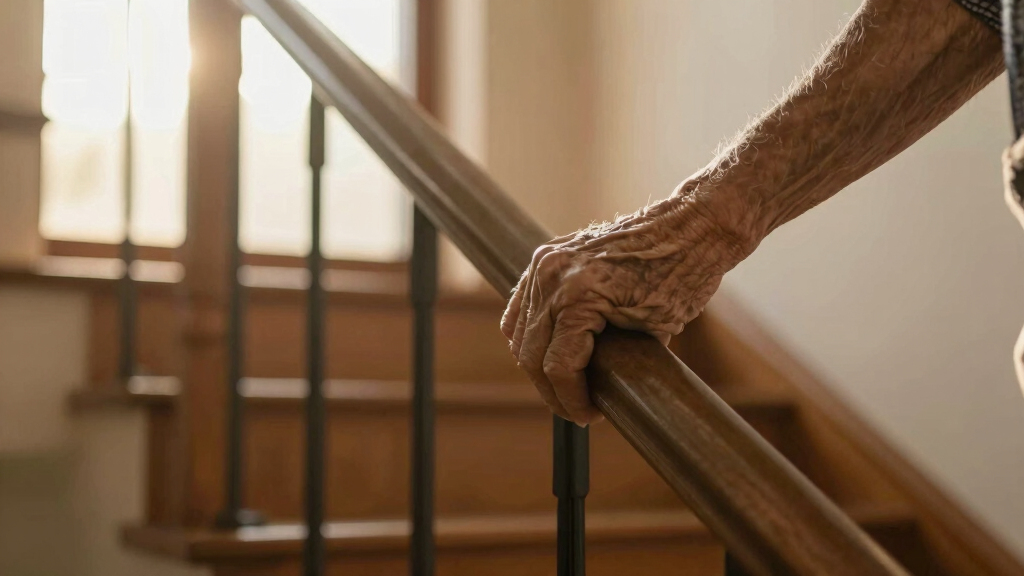
Sturdy handrails on both sides give support and confidence, especially for seniors.
Non-slip surfaces are key in preventing slips, particularly in humid or icy conditions.
Regularly inspect and repair stairs to nip hazards in the bud.
Smart technology like motion-activated lights can add an extra layer of safety where needed.
How to Make Stairs Safer at Home
Falls often begin with a small, overlooked hazard: a dim step, a loose rail, a slippery tread or something left in the way. A few targeted upgrades can turn the staircase into a brighter, steadier and more secure route for every generation.
Reduction in stair-related falls associated with proper lighting, secure support and non-slip protection.
Adults over 65 experience a fall each year, making prevention at home especially important.
Prioritize even lighting and sturdy handrails before more expensive accessibility upgrades.
Comfortable handrail range measured above the stair tread.
Support on both sides improves stability and confidence.
A quick check catches loose parts before they become hazards.
Every tread should remain clear, visible and unobstructed.
The three upgrades with the greatest everyday impact
These improvements address the most common failure points: poor visibility, lack of support and loss of traction.
Bright, even lighting
Illuminate the full staircase without deep shadows. Use bright LED fixtures, switches at both ends and motion activation for nighttime trips.
Warm tone · clear edgesRails on both sides
Install graspable, firmly anchored handrails at a comfortable height. Extend them beyond the first and last steps where practical.
34–38 in · no wobbleNon-slip surfaces
Add textured tape, rubber treads or a stair-rated coating. Replace peeling, curled or worn material before it becomes a trip hazard itself.
Grip every treadFix risk in the order people encounter it
A safer staircase combines visibility, physical support, traction, clear passage and early repair.
Choose the right safety mix for your home
Lighting and handrails offer strong value in most homes. Mobility equipment becomes important when balance, strength or independence is limited.
| Enhancement | Primary benefit | Priority | Cost | Best suited to |
|---|---|---|---|---|
| Bright LED lighting | Eliminates shadows | ✓ Essential | $$ | Every staircase |
| Dual handrails | Provides stable support | ✓ Essential | $–$$ | Seniors and all-age homes |
| Non-slip treads | Improves traction | ✓ High | $–$$ | Wood, tile and damp areas |
| Motion lighting | Automatic visibility | ~ Useful | $$–$$$ | Night use and dark halls |
| Contrast edging | Defines each step | ~ Useful | $ | Low vision and dark finishes |
| Stair lift | Restores access | ~ Needs-based | $$$$ | Limited mobility |
The safer-stair chain
Clear visibility reveals every tread and landing.
Continuous support steadies ascent and descent.
Textured surfaces resist slips underfoot.
Contrast makes depth and boundaries clearer.
Early repairs stop small defects escalating.
A five-minute inspection routine
Walk the staircase slowly from bottom to top, then back down. Look, listen and feel for anything that has changed since the last check.
Push and pull gently. Tighten anything loose and repair damaged brackets.
Find cracks, movement, uneven dimensions, worn areas or protruding fasteners.
Replace peeling tape, curled tread corners and coatings that have worn smooth.
Replace failed bulbs and confirm switches or motion sensors work from both ends.
Remove objects immediately and keep storage zones away from the staircase.
Test gates at the top and bottom and confirm latches close securely.
Small upgrades work best as a connected system.
Good lighting helps people identify a step; contrast clarifies its edge; grip keeps the foot secure; and handrails provide recovery if balance shifts. Combine these layers, maintain them regularly and seek professional advice for structural damage, code questions or significant mobility needs.
Start with Bright, Even Lighting to Prevent Tripping
Lighting is the first line of defense against falls. Bright, consistent light eliminates shadows and makes every step visible. Consider installing overhead fixtures that evenly illuminate the entire staircase or motion-activated lights that turn on when someone approaches.
For example, a homeowner replaced dim ceiling bulbs with bright LED fixtures, instantly improving visibility. This simple upgrade reduced nighttime trips by 60%.
Pro tip: Use warm-toned bulbs to create a welcoming glow that’s easy on the eyes but still bright enough to see every edge of the stairs.
As an affiliate, we earn on qualifying purchases.
Secure and Extend Sturdy Handrails on Both Sides
Handrails are your best support when climbing or descending stairs. They should be sturdy, at a comfortable height (roughly 34-38 inches from the stair), and extend beyond the top and bottom steps. Installing rails on both sides doubles safety, especially for those with mobility challenges.
For instance, a family added a second handrail along their staircase and attached grip tape for extra hold. This change made elderly parents feel more confident, reducing their reliance on walls for balance.
Tip: Check regularly for loose or wobbly rails and tighten or replace as needed.
As an affiliate, we earn on qualifying purchases.
Apply Non-slip Surfaces to Every Step
Slippery stairs are a common cause of falls, especially in homes with children, pets, or in humid climates. Using non-slip treads, adhesive strips, or coatings turns each step into a safe zone. These can be transparent or colored, depending on your decor.
A homeowner in a rainy region added rubber treads to their wooden stairs, which cut slipping incidents in half. Plus, they’re easy to install—simply peel and stick or paint on a non-slip coating.
Remember: Regularly check non-slip surfaces for wear and replace when they start to peel or become worn out.
Beyond just adding non-slip surfaces, it’s important to understand their role. Slippery steps increase the risk of falls exponentially, especially when combined with hurried or distracted movement. Choosing the right type—whether textured tape, rubber treads, or coatings—depends on your specific needs, such as foot traffic and climate. Proper maintenance of these surfaces ensures ongoing safety, as worn-out or damaged non-slip materials can become hazards themselves, reducing their effectiveness and increasing the risk of slips.
As an affiliate, we earn on qualifying purchases.
Keep Stairs Free of Clutter and Add Contrasting Colors
Clutter on stairs is a hidden hazard. Toys, laundry, or shoes left on the steps increase tripping chances. Keep the area tidy with storage solutions or designated spots away from the stairs.
Using contrasting color paint or tape on the edge of each step improves visibility. For example, a family painted bright yellow strips on the dark wood edges, making steps stand out clearly for aging eyes.
This simple visual cue can reduce missed steps and miscalculations, especially in homes with visual impairments.
However, it’s also important to recognize that clutter not only causes trips but can block escape routes during emergencies. Regularly clearing stairs ensures unobstructed pathways, which is critical in case of fire or other urgent situations. Contrasting colors serve as visual anchors, helping everyone, especially those with diminished eyesight, to judge step edges accurately. This small investment in visual clarity can significantly decrease accident rates and improve overall safety.
As an affiliate, we earn on qualifying purchases.
Regular Maintenance Keeps Your Stairs Safe
Over time, stairs can develop loose boards, worn treads, or broken handrails. Regular inspections catch these issues early. Tighten loose screws, repair damaged steps, and replace worn non-slip strips.
A couple in their 70s found a loose step during routine checks. Fixing it with a professional prevented a potential fall. Make this part of your home safety routine—monthly or quarterly.
Tip: Keep a checklist and note repairs needed to stay ahead of hazards.
Regular maintenance is crucial because small issues, if ignored, can escalate into serious hazards. Loose boards or wobbly handrails not only cause trips but can also compromise the structural integrity of the staircase. Identifying and repairing these problems early prevents accidents and extends the lifespan of your staircase. Establishing a routine inspection schedule—monthly or quarterly—ensures issues are caught before they become dangerous, saving you money and reducing risk in the long run.
Use Smart Tech and Accessibility Features When Needed
Innovative solutions like motion-activated lights or stair lifts make stairs safer for those with mobility issues. These devices respond to movement, instantly brightening the area or helping someone up and down.
An elderly woman installed a stair lift and said it gave her independence back. Smart lighting, in turn, prevents her from fumbling in the dark.
If mobility is a concern, consulting a professional about these options can be a game-changer for safety and dignity.
Compare Popular Safety Enhancements for Your Stairs
| Feature | Benefit | Cost |
|---|---|---|
| Bright LED Lighting | Eliminates shadows, improves visibility | Moderate |
| Sturdy Handrails | Provides support, reduces falls | Low to Moderate |
| Non-slip Treads | Prevents slips, especially when wet | Low to Moderate |
| Smart Motion Lights | Automatically lights stairs, reduces fumbling | Moderate to High |
| Stair Lifts | Assists mobility, offers independence | High |
Choosing the right combination depends on your needs, budget, and home layout. Prioritize lighting and handrails first — they’re the most cost-effective and impactful.
Frequently Asked Questions
How can I make my staircase safer for my elderly parents?
Start with sturdy handrails on both sides, add non-slip treads, and improve lighting. Consider installing a stair lift if mobility is limited. Regular maintenance and clear clutter also make a big difference.
What are the most affordable ways to improve stair safety?
Adding adhesive non-slip strips, installing brighter light bulbs, and decluttering are cost-effective options. These upgrades can often be done without professional help and make immediate safety improvements.
Are there specific safety tips for children using stairs?
Use safety gates at the top and bottom, teach children to climb carefully, and keep stairs free of toys or clutter. Bright contrasting tape on stair edges also helps them see each step clearly.
Will lighting really prevent stair falls?
Yes, proper lighting is one of the most effective ways to prevent falls. It ensures every step is visible, reducing missteps and accidents, especially during nighttime or in low-light conditions.
How often should I inspect my stairs for safety?
Check your stairs monthly for loose boards, worn treads, or loose handrails. Address issues immediately to prevent accidents and keep your stairs safe for everyone.
Conclusion
Small changes make a big difference. Bright lighting, solid handrails, and slip-resistant steps turn a hazard into a safe passage. Your home becomes a place where everyone can move freely, confidently, and with peace of mind.
Think of your stairs as the arteries of your home—keep them clear, supported, and secure, and they’ll serve you safely for years to come.
NFL season / tailgating Picks
team gear
As an affiliate, we earn on qualifying purchases.