
TL;DR
An effective emergency plan for living alone combines reliable communication, essential supplies, safety measures, and technology. Regular updates and community support make it truly effective and manageable.
Living alone offers freedom, but it also comes with unique risks. What happens if a fire breaks out or you suddenly feel unwell? Without a plan, those moments can turn dangerous fast. The good news? You can set up a simple, effective emergency plan that keeps you safe and confident. It’s about small, smart steps that make a big difference.
In this guide, you’ll discover practical ways to prepare, from stocking supplies to using technology, so you’re ready for whatever life throws your way. Let’s get started on creating your personalized safety net—because peace of mind is priceless.
Create a trusted, reliable communication system with friends, family, and emergency apps.
Stock a well-organized emergency kit with essentials like water, medications, and important documents.
Install safety devices such as smoke alarms, grab bars, and non-slip mats—regularly check and update them.
Develop simple, clear procedures for common emergencies, then rehearse them regularly.
Review and update your safety plan annually, tailoring it to your current needs and circumstances.
How to Build a Reliable Communication Network
The first step in any emergency plan is knowing how to reach someone who can help. Living alone means your phone becomes your lifeline. You want a system that’s dependable—no dead zones, no missed calls.
Start by sharing your emergency contacts with a few trusted friends or family members. Make sure they have your current address and a key to your home. Consider setting up a quick-access list in your phone, labeled clearly with names and numbers.
Next, think about backup options. Apps that send automatic alerts if you don’t respond can be lifesavers. And for those with hearing or mobility issues, specialized devices that vibrate or flash can make sure you’re never out of touch.
Why does this matter? Reliable communication ensures help can reach you quickly when seconds count. If your primary device fails, or you’re unable to respond, having multiple channels or alerts reduces the risk of being unnoticed. It’s a safety net that accounts for potential technical failures or emergencies where you might be incapacitated.
emergency preparedness kit for living alone
As an affiliate, we earn on qualifying purchases.
As an affiliate, we earn on qualifying purchases.
What to Keep in Your Emergency Supplies Kit
Imagine being hit with a power outage or a fall—your emergency kit becomes your safety anchor. It should be easy to access and include essentials like water, non-perishable snacks, medications, flashlight, batteries, and a first aid kit. Don’t forget hygiene items and a copy of important documents.
For example, a 72-hour kit in your closet can be your go-to for sudden emergencies. Check it every six months—swap out expired items and update medications. Keep it near your exit, so you can grab it quickly in a hurry.
Why is this important? A well-stocked kit means you can sustain yourself until help arrives or the situation stabilizes. It reduces panic and confusion during chaos, giving you a clear plan of action. The tradeoff is the need for regular upkeep; neglecting your kit can render it useless when you need it most. Making this a routine ensures readiness, turning a simple list into a reliable safety strategy.
As an affiliate, we earn on qualifying purchases.
Simple Safety Measures That Make a Big Difference
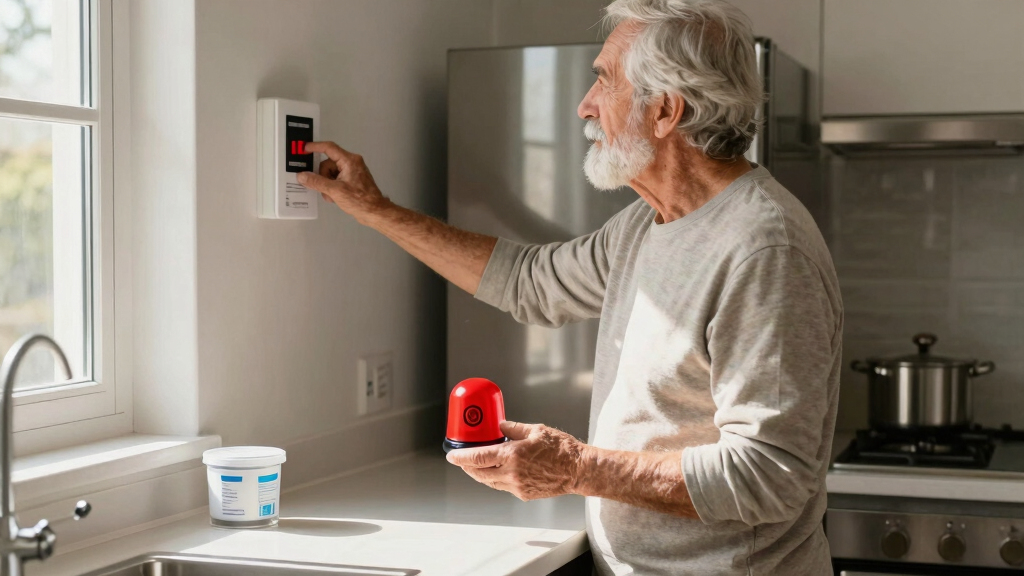
Living alone means paying extra attention to safety. Install smoke and carbon monoxide detectors on every level. Test them monthly and change batteries twice a year. Keep a fire extinguisher nearby, and make sure you know how to use it.
For example, installing grab bars in the bathroom and non-slip mats in the shower can prevent falls—one of the leading causes of injury among seniors living alone. Regularly check your home for hazards: loose rugs, clutter blocking exits, or poor lighting.
Why do these measures matter? Small safety improvements can significantly reduce the risk of accidents and injuries. For instance, a fall in the bathroom can lead to serious injury, especially for older adults. By proactively addressing hazards, you’re creating a safer environment. The tradeoff involves some initial effort and cost, but the long-term benefits—peace of mind and injury prevention—far outweigh these investments. Safety isn’t about fear; it’s about smart, preventive action that keeps you independent longer.
As an affiliate, we earn on qualifying purchases.
Create Clear Emergency Procedures (Step-by-Step)
Knowing what to do in an emergency can be the difference between panic and action. Write down simple steps for common scenarios—fire, medical emergency, power outage, or natural disaster.
For example, in case of fire, your plan might be: 1) Alert anyone nearby, 2) Evacuate using the nearest exit, 3) Call 911 once safe. Practice these steps with a family member or friend every few months. Repetition turns actions into instincts.
Why is this important? Clear procedures reduce hesitation and confusion during crises, enabling you to act swiftly and confidently. When you know exactly what to do, you lessen the chance of making mistakes that could worsen the situation. The tradeoff? Time spent rehearsing is an investment in safety. Regular practice ingrains these steps into your muscle memory, making your response automatic when seconds matter most.
emergency communication device for seniors
As an affiliate, we earn on qualifying purchases.
As an affiliate, we earn on qualifying purchases.
Keep Important Documents Easy to Find
Imagine needing your insurance info or medical history in a hurry. Keep copies of ID, medical records, insurance policies, and emergency contacts in a dedicated, easily accessible spot—like a fireproof lockbox or a clearly labeled folder.
For instance, a small safe in your closet with all these documents prevents frantic searches during a crisis. Review and update these files annually or after big life changes. Digital copies stored securely online can add an extra layer of readiness.
Why does this matter? Being organized means you can access crucial information quickly, which is vital during emergencies. The tradeoff involves maintaining these documents and ensuring they stay current—neglect can cause delays or confusion when time is critical. Regular updates and secure storage make sure your vital info is always ready when needed.
Tech Tools That Make Safety Easier
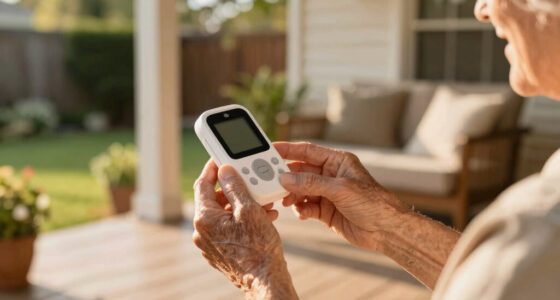
Technology offers powerful tools to enhance your safety. Wearable alert devices with a single button can summon help instantly. Smart home devices—like voice assistants—can turn on lights, call for help, or lock doors with a voice command.
For example, a voice-activated emergency button can be worn around your neck or wrist. When pressed, it instantly alerts a designated contact or monitoring service. Apps that track your location and send alerts are also gaining popularity among solo dwellers.
Why does this matter? These tools provide immediate access to help, often with minimal effort on your part. They can be life-saving in situations where every second counts. The tradeoff involves potential technical issues or reliance on batteries and internet connectivity. Regular testing and updates ensure these devices are ready to perform when needed, making your safety system smarter and more responsive.
How Often Should You Review Your Emergency Plan?
Living alone means your safety plan isn’t a one-and-done project. It needs regular check-ins to stay relevant. Experts recommend reviewing your plan at least once a year, or after any big change—like moving, new health issues, or a change in your contacts.
Set a calendar reminder. During your review, test alarms, update supplies, and rehearse procedures. It’s a simple step that keeps your safety measures sharp and effective.
Why is this necessary? Circumstances change—your health, your environment, your contacts—and your plan should reflect those changes. Regular reviews help you identify gaps or outdated information, reducing the risk of unpreparedness. The tradeoff is minimal effort for maximum peace of mind, ensuring your safety measures evolve with your needs.
Tailoring Your Emergency Plan for Special Needs
If you have mobility or health issues, your emergency plan should reflect those needs. For example, if you use a wheelchair, ensure exits are accessible and pathways clear. If you have hearing impairments, use visual alerts or vibration devices.
For instance, a friend with arthritis keeps a list of medications and a medical alert bracelet. She also installs grab bars and has a plan to call a neighbor if she can’t reach her phone.
Why customize? Because emergencies can affect individuals differently. A plan that ignores specific needs may leave you vulnerable or unable to respond effectively. Customization ensures that your safety measures are practical and reliable, reducing stress during crises. The tradeoff involves some planning and adaptation, but the result is a truly personalized safety system that works when you need it most.
Community Resources That Help Keep You Safe
Your neighborhood likely offers support programs for people living alone. Local senior centers, volunteer check-in services, and safety workshops can all add layers of security. Many communities also have emergency alert programs that notify neighbors if someone needs help.
For example, a volunteer calls her elderly neighbor every week, just to check in. In emergencies, these connections can be lifesaving.
Building a safety network isn’t just smart—it’s empowering. It creates a support system that extends beyond your home, making you less isolated and more resilient. The tradeoff involves nurturing these relationships and staying engaged, but the increased safety and peace of mind are well worth the effort.
Frequently Asked Questions
What should I include in my emergency kit?
Your emergency kit should have water, non-perishable food, medications, a flashlight with extra batteries, a basic first aid kit, hygiene supplies, and copies of important documents. Keep it in a known, accessible spot, and check it every six months.
How can I stay safe if I live alone and there’s a fire or medical emergency?
Develop a step-by-step evacuation plan, keep emergency numbers handy, and consider wearable alert devices. Practice your plan regularly so it becomes second nature, reducing panic in real emergencies.
What technology can help me stay safe?
Wearable emergency buttons, smart home devices, medical alert systems, and safety apps all enhance your ability to respond quickly. Choose tools that fit your lifestyle and test them periodically to ensure they work when needed.
How often should I review or update my emergency plan?
Review your plan at least once a year, or whenever you experience a significant change—like moving, health updates, or new contacts. Regular updates keep your safety measures relevant and effective.
What if I have mobility or health issues?
Tailor your plan to your needs—install accessible exits, use visual or vibration alerts, and keep assistance contacts handy. Customizing your approach makes sure help is always within reach.
Conclusion
Living alone doesn’t mean living in fear. With a straightforward, personalized emergency plan, you turn uncertainty into confidence. Focus on small steps—communication, supplies, safety measures—and stay connected to community resources. Your independence is a gift. Protect it with a plan that’s simple, effective, and right for you.
Because when seconds matter, a clear plan can be your best friend—keeping you safe, secure, and ready for anything.