TL;DR
Listen free for 30 days with Audible
Thousands of audiobooks and originals — cancel anytime.
Start your free trialAs an affiliate, we earn on qualifying purchases.
Properly reading a home blood pressure monitor involves understanding systolic and diastolic numbers, using correct technique, and tracking consistent readings. Modern devices are more accurate and user-friendly, helping you manage blood pressure confidently outside the clinic.
Imagine catching a glimpse of your blood pressure slipping into the high zone during a routine check. It’s a wake-up call, but only if you know how to read your monitor correctly. The right technique turns a simple device into a powerful health ally—one that whispers insights into your daily well-being.
In this guide, you’ll discover how to interpret your blood pressure readings, master proper measurement habits, and understand the latest device features. Whether you’re tracking for health or just curious, knowing how to read your monitor accurately can make all the difference.
Always sit quietly and support your arm at heart level for accurate readings.
Use a validated monitor and maintain it regularly to ensure precision.
Log multiple readings and track trends over days for the most reliable picture.
Modern monitors with Bluetooth and voice features make tracking easier and more reliable.
Consistently high or low readings should prompt a healthcare consultation.
Decode Your Blood Pressure Readings in 3 Simple Steps
Your blood pressure reading consists of two numbers: systolic and diastolic. The systolic, the top number, measures pressure when your heart beats. The diastolic, the bottom number, shows pressure when your heart rests between beats. For example, a reading of 130/85 mm Hg indicates a systolic of 130 and diastolic of 85.
To interpret these numbers, think of the systolic as the “push” and the diastolic as the “rest.” Generally, less than 120/80 mm Hg is considered normal. Readings above this may signal elevated blood pressure, especially if persistent.
For instance, if your monitor shows 145/92 mm Hg consistently, it’s a sign to discuss your readings with a healthcare professional.
validated home blood pressure monitor
As an affiliate, we earn on qualifying purchases.
As an affiliate, we earn on qualifying purchases.
Get the Most Accurate Readings with These 5 Easy Tips
- Sit quietly for 5 minutes before measuring. This pause helps your blood pressure stabilize, reducing the risk of overestimating due to stress or recent activity, which can lead to unnecessary worry or misdiagnosis.
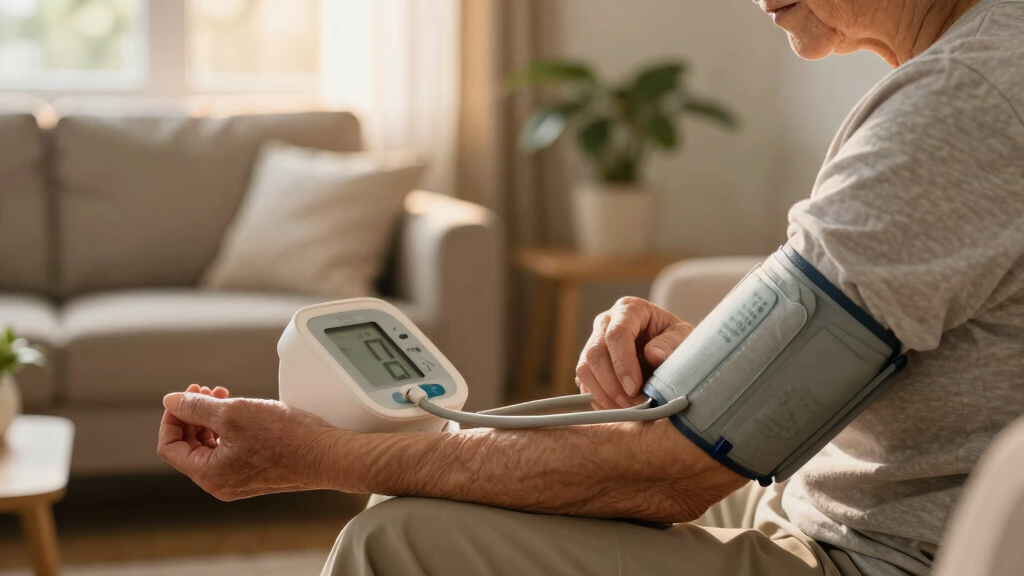
- Use a properly fitting cuff. An ill-fitting cuff can cause significant inaccuracies—too tight may artificially raise readings, too loose can underestimate them. Ensuring the cuff fits snugly around your arm and is positioned correctly at heart level is crucial for consistent, comparable results.
- Support your arm at heart level. Elevating or lowering your arm can skew readings by a few mm Hg, leading to false high or low results. Maintaining your arm at the same level as your heart ensures the pressure in your arteries is measured accurately, providing a true reflection of your blood pressure.
- Avoid caffeine, exercise, or smoking 30 minutes before. These activities temporarily alter vascular tone—caffeine constricts blood vessels, exercise elevates blood pressure, and smoking causes vasoconstriction—potentially giving you a misleading snapshot of your baseline blood pressure.
- Take 2-3 readings and average them. Because blood pressure naturally fluctuates, averaging multiple readings reduces variability and offers a more reliable picture of your typical levels. This approach minimizes the influence of transient factors, helping you and your healthcare provider make better-informed decisions.
Following these steps ensures your readings truly reflect your blood pressure, not just momentary fluctuations or measurement errors. Consistent, accurate data is essential for effective health management and reducing unnecessary anxiety or false alarms.
Bluetooth blood pressure monitor with voice
As an affiliate, we earn on qualifying purchases.
As an affiliate, we earn on qualifying purchases.
Understanding Your Device’s Display: What Do Those Numbers Mean?
Most blood pressure monitors display results digitally in large, clear numbers. A typical reading shows two numbers — for example, 128/76 mm Hg. The first is systolic, the second diastolic.
If your device shows an error message, like “E-1” or “Irregular Heartbeat,” it’s telling you something’s off. Check the manual or try again after adjusting your position.
Tracking your readings over time helps spot trends. Use a notebook or a digital app to log date, time, and your numbers. This record becomes a valuable tool when discussing your health with your doctor.
automatic upper arm blood pressure cuff
As an affiliate, we earn on qualifying purchases.
As an affiliate, we earn on qualifying purchases.
Keep Your Monitor Accurate with These 4 Simple Maintenance Hacks
Regular calibration ensures your monitor stays precise. Many devices have a calibration schedule in their manual—check it annually or as recommended. Proper calibration aligns the device’s readings with standardized measurements, which is crucial because even small deviations can lead to misdiagnosis or unnecessary treatment adjustments.
Clean the cuff with a damp cloth, avoiding harsh chemicals that could damage sensors. Regular cleaning prevents dirt and sweat buildup, which can interfere with the cuff’s ability to sense pressure accurately, leading to inconsistent results.
Store the monitor in a cool, dry place, away from direct sunlight or extreme temperatures. Proper storage helps maintain sensor integrity and prevents damage from environmental factors, ensuring consistent performance over time.
If your readings suddenly seem off, try recalibrating or replacing batteries. A fresh power source can restore accuracy, much like a car needing a new battery to start smoothly. Low batteries can cause erratic readings or device errors, so replacing them regularly is a simple yet vital maintenance step.
digital blood pressure monitor with memory
As an affiliate, we earn on qualifying purchases.
As an affiliate, we earn on qualifying purchases.
Latest Tech Tricks: How Modern Monitors Make Reading Easier and Smarter
Today’s blood pressure monitors are smarter than ever. Many connect to smartphones via Bluetooth, automatically logging your data. Imagine seeing a graph of your readings over weeks, right from your phone, making it easier to identify patterns and share data with your healthcare provider.
Devices with large displays and voice prompts walk you through the process, perfect for those who prefer an auditory cue or struggle with small screens. This accessibility feature helps ensure correct measurement, reducing user error and increasing confidence in your readings.
Recent models meet rigorous validation standards, ensuring the readings are trustworthy. These advances turn home monitoring into a seamless part of your health routine, not a chore. They also often include features like irregular heartbeat detection, which can alert you to potential health issues early, prompting timely medical consultation.
Quick Comparison: Manual vs. Digital Blood Pressure Monitors
| Feature | Manual Monitors | Digital Monitors |
|---|---|---|
| Ease of Use | Requires training, listen for sounds | Push button, instant display |
| Accuracy | High, if used correctly | Very accurate, validated models |
| Tracking & Storage | Limited to manual logs | Automatic data logging |
| Portability | Often bulky, professional-grade | Compact, home-friendly |
Choosing between them depends on your comfort with technical tasks and desire for convenience. Digital monitors are more beginner-friendly and integrate with modern tech, while manual devices offer precision for seasoned users. Consider your lifestyle and comfort level—sometimes, the tradeoff between ease and control can influence your choice and adherence to monitoring routines.
What to Do When Your Readings Are Too High or Too Low
If your blood pressure readings are consistently high, like above 140/90 mm Hg, it’s time to alert your healthcare provider. Think of it as a red flag waving to get professional advice. Persistent high readings can indicate uncontrolled hypertension, which increases risk for heart disease, stroke, and kidney problems. Recognizing this early allows for timely intervention, whether through lifestyle changes or medication adjustments, potentially preventing serious complications.
On the flip side, very low readings, say below 90/60 mm Hg, could cause dizziness, fainting, or falls, especially in older adults. These symptoms may signal underlying issues like dehydration, medication side effects, or heart problems. Prompt medical evaluation can identify the cause and guide safe management strategies, avoiding injury or falls.
Always keep a record of your highest and lowest readings, noting the time of day and any activities beforehand. This detailed log helps your doctor see patterns—such as spikes after stress or medication—and tailor your treatment plan accordingly. Understanding the implications of both high and low readings empowers you to respond appropriately and seek necessary care without panic or delay.
Frequently Asked Questions
How accurate are home blood pressure monitors?
When used correctly and validated by recognized standards, home monitors provide reliable readings. Proper technique and regular calibration are key to maintaining accuracy.
How often should I measure my blood pressure at home?
Most experts recommend measuring once in the morning and once in the evening. Follow your healthcare provider’s advice, especially if you’re managing hypertension or other health conditions.
What should I do if my readings are high?
If your readings stay above 140/90 mm Hg over several days, contact your healthcare provider. They may suggest lifestyle changes, medication adjustments, or further testing.
Can I use any blood pressure monitor?
It’s best to choose a device validated by recognized agencies. Ensure it fits your arm properly and matches your needs for accuracy and ease of use.
What if my device shows an error message?
Refer to the user manual for troubleshooting tips. Usually, repositioning the cuff, ensuring batteries are fresh, or recalibrating the device can fix common issues.
Conclusion
Mastering how to read your blood pressure monitor isn’t just about numbers—it’s about understanding what they mean for your health. With proper technique and regular tracking, you turn a simple device into a powerful tool for aging safely and confidently at home.
Remember, your blood pressure is a vital sign that whispers your body’s story. Pay close attention, stay consistent, and never hesitate to reach out to your healthcare provider for guidance. Your health is worth it—every heartbeat counts.
Flea & tick season Picks
flea and tick prevention
As an affiliate, we earn on qualifying purchases.