TL;DR
Prime for Young Adults — start your free trial
Fast free delivery, streaming and member deals for eligible 18–24 year olds.
Try it freeAs an affiliate, we earn on qualifying purchases.
Choosing safe flooring involves balancing slip resistance, stability, and impact absorption. No single material is perfect; the best choice depends on your home’s specific needs, moisture levels, and user mobility. Proper installation and maintenance are just as important as the material itself.
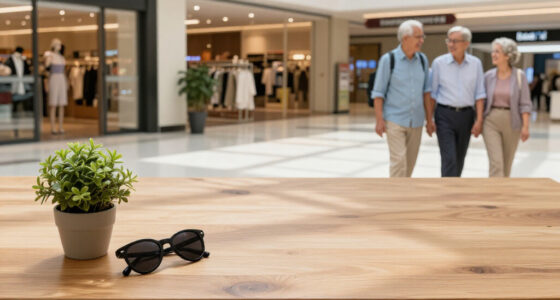
Imagine walking barefoot across a shiny, polished floor. It looks sleek, but it can be a slip waiting to happen—especially if water or soap is involved. When it comes to aging-in-place or caring for loved ones, flooring isn’t just about style or cost; it’s about safety and dignity.
In this guide, you’ll learn how to pick flooring that minimizes fall risks, supports mobility, and adapts to changing needs. Whether you’re remodeling a bathroom, upgrading a living room, or designing a new space, understanding what makes a floor safer can make all the difference in preventing falls and injuries.
Prioritize slip resistance in wet areas, especially with recognized testing and ratings.
Choose firm, stable flooring with minimal transitions to support mobility aids and reduce tripping.
Regular cleaning, secure edges, and good lighting are vital to maintaining safety.
No flooring material is perfect—consider room-specific needs and use protective measures accordingly.
Stay informed about innovations like impact-reducing floors and inclusive design features.
Choosing Flooring That’s Safer Underfoot
A safer floor balances traction, stability, and impact absorption. The right answer changes by room, moisture exposure, and user mobility—and even an excellent material can become hazardous when poorly installed or maintained.
Traction, stability, cushioning
From room assessment to review
COF reference from the research brief
Every option involves tradeoffs
What makes a floor truly safer?
A glossy surface may look elegant but lose traction around water, soap, grease, or residue. Safer footing comes from a complete floor system: the surface, underlayment, seams, thresholds, lighting, cleaning routine, and how people move through the space.
Traction
Light texture and verified wet ratings help shoes, socks, and bare feet maintain contact. Avoid vague “non-slip” claims without a named test method.
Firmness
Firm, level, securely bonded flooring supports walkers and wheelchairs. Thick padding, deep grooves, or abrupt texture changes can increase effort and instability.
Cushioning
Resilient materials can soften a fall, but too much give may make mobility devices harder to steer. The goal is controlled resilience, not excessive softness.
+ Give
The practical sweet spot
Choose enough surface grip to resist slipping, enough firmness for predictable movement, and enough resilience to reduce injury severity. Low thresholds, secure edges, even seams, and good lighting protect this balance throughout the home.
Make slip resistance visible
The coefficient of friction, or COF, describes the resistance between two surfaces. Research in the supplied brief identifies a value above 0.60 as a useful wet-condition reference—but the number only has meaning when the test method and conditions are known.
Wet-condition COF reference
Higher measured friction generally indicates stronger resistance to sliding under the stated test conditions.
Match the floor to the way the space behaves
Moisture, glare, traffic, transfers, and mobility aids change the safety requirement. A material that works in a bedroom may be unsuitable beside a shower or exterior door.
Wet grip first
Favor textured, water-resistant surfaces, sealed joints, curbless transitions, and rapid water removal.
Grip plus cleanability
Choose a matte, firm surface that tolerates spills without developing wax, grease, or cleaner residue.
Stable movement
Keep routes level and uncluttered. Secure every rug or remove it when edges, bunching, or contrast create risk.
Controlled resilience
Low-pile carpet, cork, rubber, or resilient flooring may soften impact when firmly installed and easy to traverse.
Map moisture, glare, traffic, lighting, and mobility needs.
Request recognized wet and dry test results.
Balance stability, cleaning, resilience, and durability.
Keep thresholds low, edges secure, and routes level.
Remove residue, repair damage, and reassess changing needs.
Eight common flooring choices
Material names are only a starting point. Finish, texture, backing, joint design, installation quality, contamination, and maintenance can make two products in the same category perform very differently.
| Flooring | Potential advantage | Safety profile | Important caution |
|---|---|---|---|
| Rubber | Good traction, resilience, impact absorption, and durability. | Wet-slip performance and quality vary. Keep seams bonded and use compatible, gentle cleaners. | |
| Cork | Warm, quiet, and somewhat forgiving under impact. | Moisture, indentation, and unsuitable finishes can cause swelling, damage, or uneven areas. | |
| Linoleum | Resilient, relatively firm, durable, and available in low-emission options. | Requires correct sealing and maintenance. Dirt, moisture, or residue may reduce traction. | |
| Textured vinyl / LVT | Water-resistant, easy to clean, and available in low-threshold formats. | Wet traction varies. Avoid glossy finishes and correct uneven seams or lifting edges quickly. | |
| Low-pile carpet | Warm, glare-reducing, and potentially less severe under a fall. | Thick padding, loose edges, and deep pile can impede walkers, wheelchairs, and steady foot placement. | |
| Wood / Laminate | Firm, level, and generally easy for mobility devices to cross. | Polish, water, scratches, loose boards, and some finishes may reduce traction or create hazards. | |
| Ceramic / Porcelain | Durable, water-resistant, and straightforward to clean. | Hard under falls and potentially slippery when polished or wet. Monitor grout height and tile lippage. | |
| Stone / Concrete | Very stable, durable, and suitable for heavy use. | Hard and unforgiving; polished or wet surfaces may be slick. Favor texture or suitable slip-resistant treatments. |
Best-choice example: Textured vinyl may outperform carpet in a bathroom, while securely installed low-pile carpet may be more forgiving than polished tile in a dry bedroom.
Safety is becoming more inclusive
New flooring systems increasingly account for real wet conditions, fall severity, low vision, dementia-friendly environments, indoor air quality, and barrier-free movement.
Fall-dampening systems
Specialized resilient assemblies can reduce impact forces while preserving enough firmness for walking and mobility devices.
Useful contrast, less glare
Visible stair edges and transitions support perception, while matte finishes and calm patterns reduce visual confusion.
Verified low emissions
Third-party certification for flooring, adhesives, finishes, and underlayments is more meaningful than broad “natural” claims.
Maintenance preserves the rating.
Cleaner residue, wax, grease, dust, standing water, loose seams, and curled edges can undermine a safe specification. Inspect the whole route—not just the material.
A safe floor is a connected system
Moisture, traffic, glare
Grip, firmness, emissions
Level base, bonded seams
Low thresholds, open routes
Clean, inspect, repair
underfoot
The safest choice is room-specific—and continuously maintained.
Prioritize tested wet traction, firm and level movement, controlled impact absorption, seamless transitions, secure installation, and regular inspection. Flooring safety protects independence as much as it prevents falls.
What Makes Flooring Truly Safe Underfoot?
Safe flooring isn’t just about avoiding slips; it’s a balance of traction, firmness, and impact absorption. Slip resistance is king—especially in wet areas like bathrooms and kitchens. But, a floor that’s too soft or uneven can trip you up or make moving awkward. Think of it like walking on a well-trodden trail—firm, level, and grippy.
Consider the flooring’s surface texture, how it reacts when wet, and how well it’s maintained. Regular cleaning with appropriate products keeps slip resistance intact. For example, a rubber floor with textured surfaces can grip well even when wet, but if the seams start to peel or dirt accumulates in grooves, safety drops.
Impact absorption also plays a role. Soft cork or rubber flooring can cushion falls, reducing injury severity, which is especially important for older adults or those with balance issues. However, too much softness can make mobility aids like walkers or wheelchairs harder to maneuver, potentially leading to instability. Firm floors like tile or concrete are durable but unforgiving during slips or falls, increasing injury risk. The goal: find a surface that combines enough grip with some give, without sacrificing stability. Understanding these tradeoffs helps you choose a flooring that balances safety with practicality, considering both fall prevention and ease of mobility.
As an affiliate, we earn on qualifying purchases.
How to Pick Flooring That Keeps You Steady and Secure
Choosing the right flooring involves a few clear steps. Here’s a simple process to guide your decision-making:
- Assess your environment: Is the area prone to moisture? Do you use mobility aids? What’s the lighting like?
- Prioritize slip resistance: Look for floors tested with recognized methods—preferably with wet and dry ratings. Avoid vague ‘non-slip’ claims, as they often lack standardized testing, which can lead to unsafe choices. Recognizing the importance of slip resistance helps prevent falls, especially in unpredictable conditions.
- Match the material to the space: Use impact-absorbing floors in bedrooms or play areas to cushion falls and reduce injury severity. Opt for firm, low-gloss surfaces in kitchens and bathrooms to ensure good traction and visibility. Each space has unique demands—knowing these helps you select the most appropriate flooring that supports both safety and functionality.
- Check transition points: Keep thresholds low and seamless to prevent tripping. Secure edges of rugs and mats to avoid movement that can cause falls. Recognizing that transitions are often overlooked but critical points in safety design can significantly reduce tripping hazards.
- Maintain and review: Regularly clean and inspect for wear, water damage, or loose edges. Small issues like loose tiles or worn-out rugs can quickly become hazards if not addressed promptly. Regular maintenance ensures the flooring continues to perform its safety role effectively.
For example, in a bathroom, a textured vinyl with good wet traction, firmly installed and with minimal level changes, offers a safer footing than a glossy tile or thick carpet. Recognizing the specific safety features that matter in each room helps you make informed choices that reduce fall risks over time.
This simple checklist ensures you don’t overlook critical safety features when selecting flooring, emphasizing the importance of understanding how each factor contributes to overall safety and stability.
As an affiliate, we earn on qualifying purchases.
Compare Common Flooring Types for Safety and Practicality
| Flooring Type | Advantages | Safety Considerations |
|---|---|---|
| Rubber | Excellent traction, impact-absorbing, durable | Seams and quality vary; clean with gentle detergents |
| Cork | Warm, quiet, somewhat forgiving | Susceptible to moisture damage and dents; proper sealing and maintenance are essential to prevent safety issues like swelling or deterioration that can cause uneven surfaces or loose areas, increasing fall risk. |
| Linoleum | Resilient, durable, eco-friendly options | Requires proper sealing; can be slippery when dirty. Ensuring a well-maintained, clean surface is vital because dirt and moisture can turn a seemingly safe floor into a slip hazard. |
| Textured vinyl / LVT | Waterproof, easy to clean, low-threshold options | Finish matters; glossy surfaces are slippery when wet. Selecting textures with matte or textured finishes enhances grip, especially in wet conditions, reducing fall risk. |
| Low-pile carpet | Reduces glare, soft underfoot | Can impede mobility aids; loose edges pose tripping risks. Proper installation and regular inspection help avoid safety issues like curling edges or loose fibers that can cause falls. |
| Wood / Laminate | Firm, easy to move across for wheelchairs | Polished surfaces may be slick; scratches can create hazards. Choosing non-glossy finishes and maintaining a smooth surface reduces slipping hazards and ensures safer mobility. |
| Ceramic / Porcelain Tile | Hard-wearing, water-resistant | Slippery when wet; grout lines can be trip hazards. Using textured or matte tiles and ensuring grout lines are even and well-maintained helps minimize slip and trip risks. |
| Natural stone / Concrete | Very durable, stable | Hard, slippery when polished or wet. Applying slip-resistant coatings or choosing textured finishes can dramatically improve safety in these surfaces. |
Remember: no material is perfect. For instance, textured vinyl in a bathroom might outperform carpet because of its slip-resistant properties, while low-pile, firm carpets could be safer in bedrooms than slick, polished tiles. Considering the specific safety implications and tradeoffs of each material helps you make more informed, safer choices for your home.
As an affiliate, we earn on qualifying purchases.
Latest Innovations and What They Mean for Your Home
New flooring ideas focus on real-world safety and user needs. Manufacturers now test floors extensively in wet conditions, ensuring slip ratings reflect actual use. Impact-dampening systems, like fall-reducing floors, are gaining traction in senior and healthcare settings.
Designing for inclusivity also influences flooring choices. Bright, contrasting colors help those with low vision, while patterns that aren’t busy reduce confusion for people with dementia. Certifications for low chemical emissions are becoming more common, making floors healthier for indoor air quality.
For example, a recent trend is curbless showers with seamless flooring, offering safer, accessible transitions. Also, “whole-system” assessments consider lighting, footwear, and floor maintenance as part of overall safety—no single change works in isolation.
These developments mean that choosing a floor today isn’t just about style; it’s about creating a safer, more welcoming environment for all ages and abilities.
As an affiliate, we earn on qualifying purchases.
Real-World Tips for Maintaining Safer Floors
Once you’ve selected the right flooring, upkeep is key to keeping it safe. Regular cleaning prevents buildup of grease, dust, or water that can make surfaces slippery. Use non-slip cleaning products, and avoid waxes or polishes that create gloss or slick patches.
Check for loose edges, gaps, or damage that could snag or cause trips. Keep thresholds low and secure, and make sure rugs stay flat and firmly anchored. Good lighting helps people see level changes and hazards clearly—bright, well-placed fixtures make a big difference.
In high-moisture areas, prompt water removal and daily inspections prevent long-term damage and slipping risks. A simple routine—sweeping, mopping with appropriate solutions, and inspecting—can significantly reduce fall hazards over time.
For example, a homeowner noticed their entryway rug curling at the edges. Securing it with a non-slip backing eliminated a frequent trip hazard, making coming and going safer for everyone.
Frequently Asked Questions
What is the safest flooring for older adults?
The safest flooring typically features a matte, slip-resistant surface that’s firm and stable. It should have minimal seams, flush transitions, and good traction, especially in wet areas. The best choice depends on individual mobility and the specific room’s conditions.
Is carpet safer than hard flooring?
Carpet can cushion falls and reduce glare, but thick pile, loose edges, and softness can cause instability. A low-pile, securely installed carpet is usually safer and easier to navigate than plush, high-pile options, especially with mobility aids.
What flooring is best for someone using a walker or wheelchair?
Choose a firm, smooth, level surface with low rolling resistance. Avoid deep pile carpets, thick padding, loose rugs, and uneven transitions. Materials like vinyl, sealed concrete, or hardwood are generally good options if properly installed.
What is safest for bathrooms?
Water-resistant flooring with proven wet traction—like textured vinyl or tile—is safest. Ensure secure installation, good drainage, and minimal level changes. Avoid loose rugs or mats that can slip or cause trips.
Are textured tiles always safer?
Not necessarily. While textured tiles can improve grip, their safety depends on the specific surface and how it performs when wet or soapy. Always check wet-test ratings before choosing textured tiles for wet areas.
Conclusion
Flooring might seem like a small detail, but it’s a critical piece of your home’s safety puzzle. A thoughtful choice—paired with diligent maintenance—can dramatically reduce fall risks and support independence. Keep safety at the forefront, and your home will better serve everyone who lives there.
Remember: safety isn’t a one-time decision. It’s a continuous process that involves choosing wisely, maintaining regularly, and staying informed about new options. Your home should be a sanctuary—secure, comfortable, and welcoming at every step.
NFL season / tailgating Picks
team gear
As an affiliate, we earn on qualifying purchases.