TL;DR
Open a free Amazon Business account
Business pricing, bulk buying and tax-exempt orders.
Create a free accountAs an affiliate, we earn on qualifying purchases.
Selecting incontinence products involves matching the level of incontinence with comfort, fit, and skin health. Modern options focus on discreetness, odor control, and even smart technology to support independence and dignity.
Choosing an incontinence product isn’t just about stopping leaks. It’s about maintaining your dignity, comfort, and independence. When you pick the right product, it becomes a tool that supports your daily life, not a reminder of limitations.
There’s a surprising variety of options—each designed to fit different needs and lifestyles. The trick is knowing what to look for, from fit and comfort to materials and technology. Let’s explore how to make that choice easier and more empowering.
Prioritize proper fit and size to prevent leaks and skin irritation.
Opt for breathable, hypoallergenic materials for sensitive skin.
Discreet, thin designs can boost confidence without sacrificing protection.
Explore innovative options like sensors and eco-friendly products for better management.
Personalize product choices based on your lifestyle, needs, and comfort.
Understand the Types of Incontinence Products and What They Do
Incontinence products come in many forms, each suited for different levels of leak control and lifestyles. Knowing what each type offers helps you choose confidently.
Here are the main options:
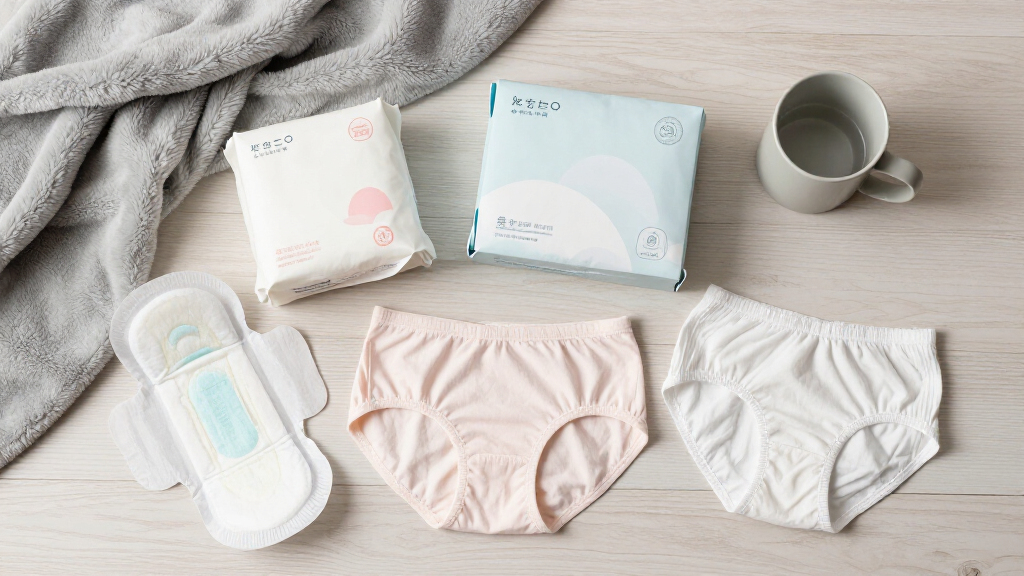
- Absorbent Pads and Liners: Thin, discreet, perfect for light leaks or as a backup. Think of them like a super-absorbent bandage for your underwear.
- Protective Underwear (Pull-Ups): Resemble regular underwear, easy to pull on and off. Ideal for moderate leaks and active lifestyles.
- Adult Diapers: Offer maximum protection, suitable for heavy incontinence or limited mobility. They come in different sizes and absorbency levels.
- External Devices: Such as male external catheters or female collection devices, designed for specific needs and comfort.
- Bed and Chair Protectors: Larger, waterproof covers for overnight use or stationary periods.
For example, a person with moderate incontinence who loves being active might prefer absorbent underwear that feels like normal underwear but offers peace of mind.
discreet incontinence pads for women
As an affiliate, we earn on qualifying purchases.
As an affiliate, we earn on qualifying purchases.
Pick the Perfect Fit: How Size and Comfort Make All the Difference
Choosing the right size isn’t just about avoiding leaks. It’s about preventing skin irritation and ensuring confidence all day long.
Imagine slipping into a pair of shoes that are too tight. That discomfort can lead to skin redness or even sores. The same goes for incontinence products. A well-fitting product feels barely there, moves with you, and keeps moisture away.
Here’s how to get that perfect fit:
- Measure waist and hip sizes accurately.
- Try different brands and styles—what fits one person perfectly might not suit another.
- Check for adjustable features like elastic waistbands or side tabs.
- Look for products with a snug but comfortable fit, not tight enough to cause marks or irritation.
For instance, a caregiver might find that a size up reduces chafing during long outings, boosting dignity and comfort.
breathable adult diapers for sensitive skin
As an affiliate, we earn on qualifying purchases.
As an affiliate, we earn on qualifying purchases.
How Materials Matter: Breathability, Skin Safety, and Comfort
Materials are the unsung heroes of comfortable incontinence products. Breathable, hypoallergenic fabrics can drastically improve skin health and reduce irritation.
Think of it like wearing a shirt that wicks sweat away versus one that traps heat. Modern products often feature layers of moisture-wicking fabrics, soft textiles, and hypoallergenic barriers.
For example, if you have sensitive skin, look for products labeled as hypoallergenic and breathable. Some brands now use natural fibers or innovative polymers that allow air to circulate, reducing rashes and discomfort.
According to recent studies, products with better breathability reduce skin irritation risk by up to 70%, making a huge difference in daily comfort.
smart incontinence underwear with sensors
As an affiliate, we earn on qualifying purchases.
As an affiliate, we earn on qualifying purchases.
Discreet and Confident: How Thin, Modern Designs Change the Game
Modern incontinence products are designed to be thin and discreet, helping you feel confident in your daily routine. They look and feel more like regular underwear, which is a game changer for many.
Imagine slipping into a pair of sleek, almost invisible briefs that absorb leaks without bulk or noise. That’s the beauty of recent innovations—thinner layers, odor-neutralizing tech, and snug fits.
For example, a person attending a family dinner feels comfortable knowing their protection isn’t obvious. It’s about maintaining that normalcy, even when managing a health concern.
eco-friendly incontinence products
As an affiliate, we earn on qualifying purchases.
As an affiliate, we earn on qualifying purchases.
Smart and Sustainable: The Latest in Incontinence Tech and Eco-Friendly Choices
Innovation isn’t just about comfort—it’s also about smart tech and sustainability. New products now include sensors that notify caregivers when a change is needed, keeping dignity intact without constant checks.
Eco-friendly options, like biodegradable briefs and washable pads, are gaining popularity. These help reduce waste and support a greener lifestyle.
For example, a caregiver using sensor-enabled products can respond promptly, preventing skin irritation and embarrassing accidents. Meanwhile, environmentally conscious users appreciate biodegradable materials that break down faster in landfills.
What You Need to Know Before Buying: Key Facts About Incontinence Products
Understanding the basics helps you make smarter choices. Incontinence affects millions and impacts quality of life. Proper product selection is vital for comfort, skin health, and confidence.
Prevalence data shows that roughly 15% of adults over 65 experience some form of incontinence. Using the right product can reduce skin irritation by 70% and improve daily comfort.
Keep in mind: no single product fits everyone. Personal needs, skin sensitivities, and lifestyle influence what works best.
Answering Your Top Questions About Incontinence Products
How do I choose the right incontinence product for my needs? Consider your level of leakage, skin sensitivity, and activity level. Testing different products helps find your best fit.
Are there discreet options that look and feel like regular underwear? Yes, many brands now offer sleek, thin designs that blend in seamlessly with everyday clothes.
How often should I change incontinence products? Typically, every 3-4 hours or when full to prevent skin issues and odors.
What are the best products for sensitive skin? Look for hypoallergenic, breathable, and moisture-wicking materials labeled specially for sensitive skin.
Can they be reused or are they all disposable? Most are disposable, but washable, reusable options are available for eco-conscious users.
How do I keep my skin healthy while using these products? Regular gentle cleansing, skin checks, and barrier creams help maintain skin integrity.
Are there new innovations that can help? Yes, including smart sensors and biodegradable designs, making managing incontinence easier and more sustainable.
Conclusion
Choosing the right incontinence product is a simple step that can profoundly impact your comfort and sense of dignity. Focus on fit, materials, and your lifestyle—those choices let you face each day with confidence.
Remember, this isn’t about limitations; it’s about empowering yourself with options that support independence and respect. Every small decision in your selection process adds up to a life lived fully, with dignity intact.
Back to school Picks
back to school
As an affiliate, we earn on qualifying purchases.