
TL;DR
Play games included with Prime
Start a Prime free trial and play with Amazon Luna on your devices.
Start playingAs an affiliate, we earn on qualifying purchases.
Staying organized with appointments and medications is vital for health, especially with busy schedules and complex regimens. Digital tools and simple strategies can improve adherence and peace of mind, making health management easier for everyone involved.
Imagine a morning where your loved one forgets their medication or misses a doctor’s appointment. It’s a common worry, and one that can have serious consequences. The good news? Staying on top of appointments and medications doesn’t have to be overwhelming.
In this guide, you’ll discover practical ways to keep track, from simple paper systems to smart digital tools. Whether you’re a caregiver or managing your own health, these strategies help you stay organized, reduce stress, and ensure effective treatment.
Use digital apps or simple paper systems to track medications and appointments consistently.
Set up reminders on your phone or device to prevent missed doses or visits.
Compare traditional and digital methods to find what fits your comfort level and security needs.
Develop habits linking medication-taking to daily routines for better adherence.
Protect your health data with strong passwords and secure sharing practices.
Why Staying Organized Keeps You Healthy and Stress-Free
When you keep track of your appointments and medications, you’re taking control of your health. Missing a dose or an appointment can lead to worsening symptoms or complications. For caregivers, disorganization can add unnecessary stress and worry.
For example, a family caregiver noticed that her mother kept forgetting whether she’d taken her blood pressure meds. Using a simple checklist and a dedicated pill box, they found peace of mind and better blood pressure control.
Staying organized isn’t just about avoiding mistakes; it’s about feeling confident that your health is managed. It creates a routine, reduces emergency visits, and helps maintain dignity and independence.
As an affiliate, we earn on qualifying purchases.
How to Use Digital Tools to Keep Appointments and Medications in Check
Digital tools can turn chaos into clarity. Here’s a simple step-by-step approach:
- Select a reliable app or platform. Options like Medisafe, MyChart, or Apple Health are user-friendly and versatile. Choosing the right app involves considering ease of use, compatibility with devices, and the ability to customize reminders. This decision is crucial because a complicated or unreliable app can lead to frustration or missed doses, defeating the purpose of organization.
- Input all medications and schedules. Include dosages, times, and special instructions. Use reminders for each dose. Accurate entry is vital because errors or omissions can lead to missed medications or overdose risks. Regularly reviewing and updating this information ensures the system remains reliable and reflects any changes in medication plans.
- Schedule appointments directly into your digital calendar. Sync with your phone or tablet for automatic alerts. This integration helps prevent forgotten visits and reduces last-minute scrambling. It also allows for easy rescheduling if plans change, maintaining flexibility without losing track of commitments.
- Share access with caregivers or family members. Many apps allow authorized sharing for peace of mind. This feature ensures that loved ones can assist with reminders or intervene if something is overlooked, fostering collaborative health management and reducing caregiver stress.
For example, one caregiver uses Medisafe to set alarms for her mother’s medication times. The app even tracks missed doses, prompting her to follow up immediately. This way, she stays informed without constant calls or visits. The real benefit is that digital tools empower both the patient and caregiver to respond promptly, which can prevent health crises and improve adherence.
As an affiliate, we earn on qualifying purchases.
Comparing Traditional and Digital Tracking Methods
| Feature | Traditional Methods | Digital Methods |
|---|---|---|
| Ease of Use | Simple but can be forgotten or misplaced | Automatic reminders, easy updates |
| Accuracy | Depends on manual entry, prone to error | Alerts prevent missed doses, sync with devices |
| Accessibility | Requires physical space, paper can be lost | Accessible anywhere with internet or device |
| Privacy & Security | Physical records are less vulnerable | Encryption and secure logins needed |
While paper methods are straightforward, digital tools offer real-time updates and reduce human error. This can lead to improved medication adherence and fewer health complications. However, digital methods require comfort with technology and awareness of privacy tradeoffs. For example, digital systems can be vulnerable to hacking if not properly secured, so understanding these risks helps you make informed choices about your health data security.
As an affiliate, we earn on qualifying purchases.
Tips for Remembering Medications and Appointments Every Day
Consistency is key. Developing strong habits around medication and appointment reminders can significantly reduce the risk of missed doses and visits. These habits influence long-term health outcomes because they ensure that treatment plans are followed as prescribed, which is vital for managing chronic conditions and recovery processes. By integrating these habits into daily routines, you reinforce the importance of health management, making adherence feel natural rather than burdensome.
Here are five practical tips:
- Use visual cues: Place medications in sight or near daily essentials like the coffee maker. Visual cues serve as environmental triggers, making it easier to remember without relying solely on memory or technology.
- Set alarms or reminders: Use your phone’s timer or dedicated apps for scheduled alerts. Consistent alerts help establish a routine, especially for those with busy schedules or memory challenges.
- Involve a caregiver: Regular check-ins can reinforce routines and provide accountability. Having someone else involved can catch missed doses or appointments early, preventing complications.
- Link medications to daily habits: Take meds after brushing teeth or during breakfast. Tying medication intake to existing routines creates associations that improve recall and adherence over time.
- Keep a visual schedule: Use a calendar with color-coded notes for appointments and meds. Visual schedules help maintain a clear overview of health commitments, reducing the mental load and preventing oversight.
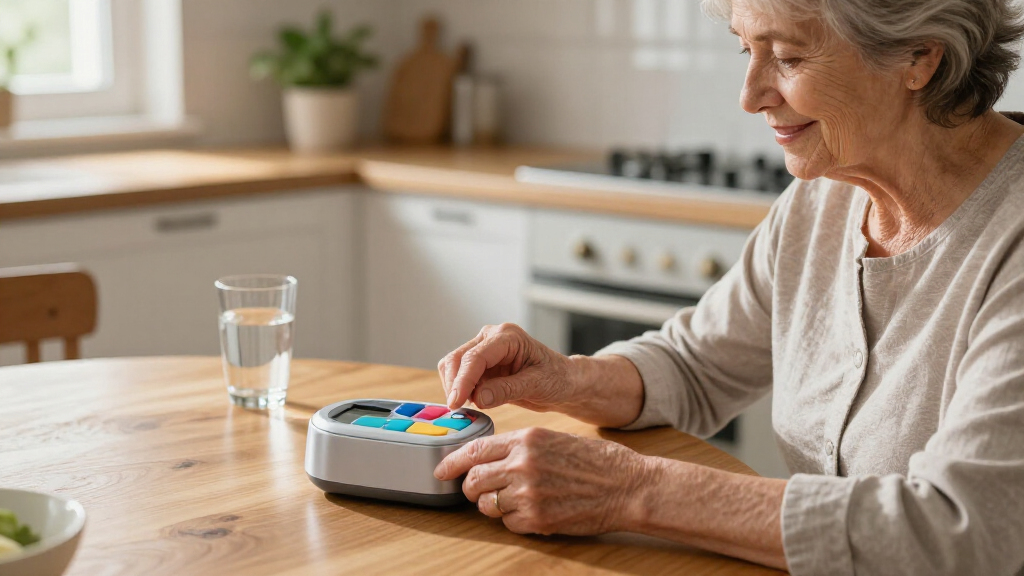
For example, a retired teacher keeps her medications in a bright dish next to her kettle. Every morning, she’s reminded to take her pills while waiting for her tea. Small cues like this turn forgetfulness into routine, making adherence effortless and less stressful.
AmazonAs an affiliate, we earn on qualifying purchases.
What To Do When You Miss a Dose or Forget an Appointment
Sometimes, things slip through the cracks. When that happens, don’t panic. The first step is to check your medication instructions or contact your healthcare provider for guidance. Understanding the implications of missed doses—such as whether they can be safely taken later or need to be skipped—is critical to avoid adverse effects. Similarly, for missed appointments, timely rescheduling can prevent delays in treatment that might worsen health outcomes.
For example, if someone realizes they forgot their evening pills, they might take them as soon as they remember—unless the instructions specify otherwise. Knowing these specifics can prevent accidental overdose or reduced efficacy. Keeping a quick reference card or emergency contact list helps in these moments, providing quick access to essential information. Developing a routine review process, like checking your medication list daily, can help catch missed doses early and reinforce accountability.
Keeping Data Safe While Using Digital Health Tools
Your health information is sensitive. Digital tools often collect and store data, so protecting it is vital. Use apps with strong encryption, set secure passwords, and enable two-factor authentication whenever possible. These measures significantly reduce the risk of unauthorized access, which could lead to identity theft or privacy breaches. Since health data is highly personal, understanding the security features of your chosen app helps you evaluate its safety.
For example, a caregiver uses a popular medication app that offers biometric lock and data encryption. She also avoids sharing login details and only grants access to trusted family members. Additionally, regularly updating app software ensures you benefit from the latest security enhancements. Staying informed about privacy policies and security practices of your digital tools allows you to make proactive choices that safeguard your sensitive health information.
Consulting with your healthcare provider about secure ways to share and store health data can further enhance your privacy. Remember, taking these precautions is essential because a breach could compromise your personal health details and erode trust in digital health management.
Frequently Asked Questions
What are the easiest tools for someone who isn’t tech-savvy?
Simple paper calendars, medication lists, and pill organizers often work best for those less comfortable with technology. You can also set visual cues, like placing meds near daily routines, to help with consistency.
How do I share my health info securely with my doctor?
Use trusted patient portals or secure apps that allow you to share medication lists and appointment history. Always ensure your login details are private and avoid sharing passwords.
What should I do if I miss a medication dose?
Check the medication instructions and contact your healthcare provider if unsure. Often, taking the missed dose as soon as remembered is safe unless told otherwise. Developing a routine review process can help catch missed doses early and reinforce accountability.
Can digital tools replace paper records entirely?
Digital tools offer convenience and real-time updates, but maintaining paper copies as backup is wise, especially if technology fails or for those uncomfortable with digital methods.
How can I ensure my loved one keeps up with their appointments?
Use shared calendars, set regular reminders, and involve caregivers. Making routines memorable and visible helps turn appointment keeping into a natural part of daily life.
Conclusion
Staying organized with appointments and medications isn’t just about convenience — it’s about safeguarding your health and peace of mind. Small steps like using reminders or digital tools can turn chaos into calm, giving you or your loved one more independence and security.
Remember, a little planning today can prevent big problems tomorrow. So pick one strategy, get started, and enjoy the confidence that comes with staying in control of your health.
This article is for informational purposes only and is not medical advice. Always consult a qualified healthcare professional about your specific situation.FALL Fall Picks
fall essentialsfall essentials
As an affiliate, we earn on qualifying purchases.