
TL;DR
Open a free Amazon Business account
Business pricing, bulk buying and tax-exempt orders.
Create a free accountAs an affiliate, we earn on qualifying purchases.
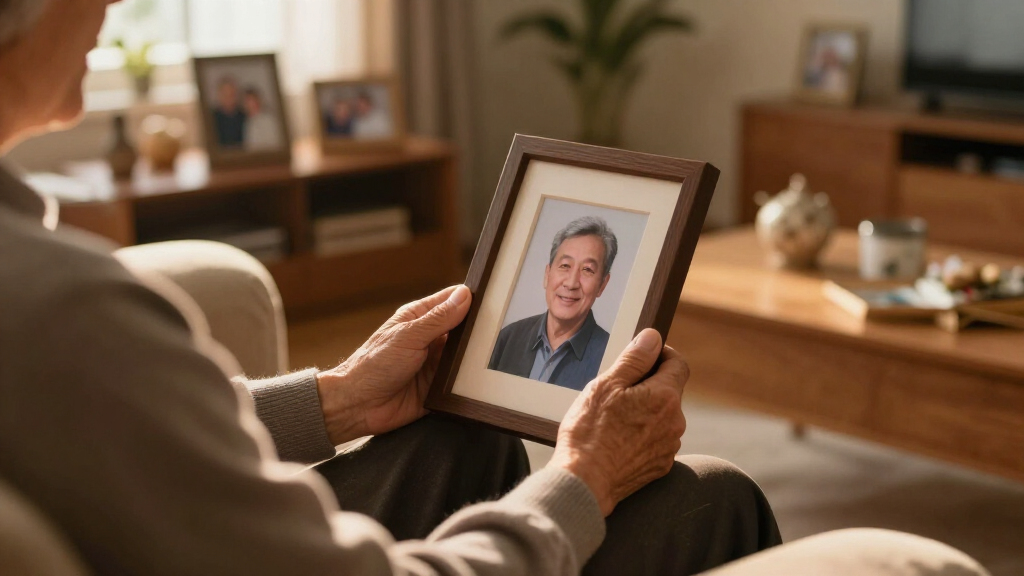
This article shares a personal journey of grief, illustrating how the loss of a loved one can lead to profound self-discovery and inner peace. It emphasizes that healing is a complex, individual process.
The author recounts how the loss of a beloved family member prompted a deep emotional and spiritual transformation, leading to a sense of wholeness that was previously absent in their life. This personal story sheds light on the complex process of grief and recovery, illustrating that healing can involve unexpected growth and self-discovery.
The story begins with the sudden death of the author’s loved one, which initially plunged them into profound grief. Over time, through therapy, introspection, and community support, they began to experience moments of clarity and inner peace. The author emphasizes that the journey was neither linear nor easy, but ultimately led to a renewed sense of purpose and self-understanding. They describe how embracing their pain and allowing themselves to mourn fully opened pathways to personal growth, transforming grief into a source of strength. Mental health experts consulted for this story note that such processes are common in grief recovery, where individuals often find new meaning and resilience after loss.The Impact of Personal Loss on Inner Growth
This story highlights that loss, while painful, can serve as a catalyst for personal transformation. For readers, it underscores the importance of allowing oneself to grieve fully and to seek support, as these steps can lead to unexpected feelings of wholeness and renewal. It also challenges the misconception that grief only results in suffering, showing instead that it can foster resilience and deeper self-awareness.As an affiliate, we earn on qualifying purchases.
Understanding Grief as a Path to Self-Discovery
The narrative aligns with psychological research indicating that grief is a highly individual process that can lead to growth, often called post-traumatic growth. The author’s experience reflects broader themes in mental health discussions, emphasizing that healing involves confronting pain rather than avoiding it. This personal account adds to ongoing conversations about how loss can reshape identity and purpose, especially in the context of recent societal focus on mental health awareness.“Losing someone I loved shattered my world, but it also cracked open spaces within me I never knew existed.”
— the author
guided meditation for emotional healing
As an affiliate, we earn on qualifying purchases.
As an affiliate, we earn on qualifying purchases.
Unresolved Aspects of Personal Growth After Loss
It remains unclear how universally applicable this experience is, as individual reactions to loss vary widely. The author’s journey is personal and may not reflect everyone’s experience, and long-term effects of such growth are still being studied.As an affiliate, we earn on qualifying purchases.
The author plans to continue their journey of self-discovery through ongoing therapy, community engagement, and personal reflection. They aim to share their experience to help others find hope in grief, and further explore how loss can lead to lasting inner transformation.
therapeutic art supplies for healing
As an affiliate, we earn on qualifying purchases.
As an affiliate, we earn on qualifying purchases.
Key Questions
Can losing someone really lead to personal growth?
Many mental health experts agree that grief can trigger self-reflection and resilience, leading to personal growth. However, this process varies widely among individuals.
How long does it take to find wholeness after a loss?
The timeline is highly individual. Some find peace within months, while others may take years. Healing involves ongoing effort and support.
What are effective ways to cope with grief?
Seeking support from friends, family, or professionals, engaging in therapy, practicing mindfulness, and allowing oneself to mourn are commonly recommended strategies.
Is it normal to feel guilty or angry after losing someone?
Yes, these emotions are common. Acknowledging and working through them with support can be an important part of healing.
Can personal growth after grief be sustained long-term?
Many find that ongoing reflection, support, and intentional self-care help maintain the positive changes that can emerge from grief.
Source: rss
Baby shower & registry season Picks
baby registry must-haves
As an affiliate, we earn on qualifying purchases.