TL;DR

Turn quiet afternoons into listening time
- Thousands of audiobooks, podcasts and originals
- Listen on your phone, tablet or Echo — also offline
- Cancel anytime
Everyday aids like reachers, long-handled tools, and adjustable surfaces help cut down on bending and stooping. They prevent injuries, support independence, and are affordable. Choosing the right aid depends on activity, comfort, and needs.
Imagine bending down to pick up a dropped sock or reaching into a high cabinet—without risking a strain or fall. If your back or knees protest at every bend, you’re not alone. Many older adults and caregivers face this challenge daily.
The good news? Simple, everyday aids can turn these struggles into easier, safer tasks. This guide walks you through practical tools designed to reduce the need for bending and stooping, helping you stay independent and injury-free in your home.
Simple aids like reachers and long-handled tools can cut your bending by half, reducing injury risk.
Choosing the right aid depends on your specific activity—gardening, dressing, cleaning—and comfort preferences.
Safety comes from proper use: read instructions, avoid overreaching, and inspect tools regularly.
Technology is advancing in this space, with ergonomic designs and adjustable features making aids more user-friendly.
Why Reducing Bending and Stooping Matters for Safety and Comfort
Every time you bend or stoop, you put extra stress on your back, hips, and knees. Over time, this can lead to discomfort, injuries, or falls—especially if balance is shaky. For example, a caregiver reaching for a low shelf without a tool might strain their back, risking a fall or muscle pull.
Using aids to minimize these movements can make a huge difference. They help you avoid awkward, risky positions and keep your body in safer, more natural postures. This is particularly important because repeated bending increases the cumulative strain on joints and muscles, which can accelerate wear and tear or cause chronic pain. The tradeoff? Sometimes, using an aid requires a bit of time and effort to learn, but the long-term safety benefits far outweigh this initial investment. Ultimately, reducing these movements not only prevents immediate injuries but also preserves your mobility over the years, supporting sustained independence.
As an affiliate, we earn on qualifying purchases.
Top 5 Everyday Aids That Make Bending and Stooping Easier
Here are the best tools to help you reach, lift, and handle everyday tasks without bending over repeatedly:
- Reachers/Grabbers: Extend your arm by 26-36 inches, letting you pick up items from the floor or high shelves without bending. This reduces strain on your back and knees, minimizing the risk of sudden falls or muscle pulls, especially when reaching for heavy or awkward objects.
- Long-handled Dustpans and Mops: These tools significantly decrease the need to squat or lean forward during cleaning, which can cause back pain or balance issues. Their ergonomic design often means less effort and fatigue, making routine chores less daunting and more sustainable over time.
- Adjustable Work Surfaces: Raised beds, counters, or work tables allow you to perform tasks like gardening or cooking at waist level. This adjustment not only reduces bending but also distributes your effort more evenly, decreasing joint strain and fatigue. The tradeoff is that some setups may require initial investment or space considerations, but they yield long-term ergonomic benefits.
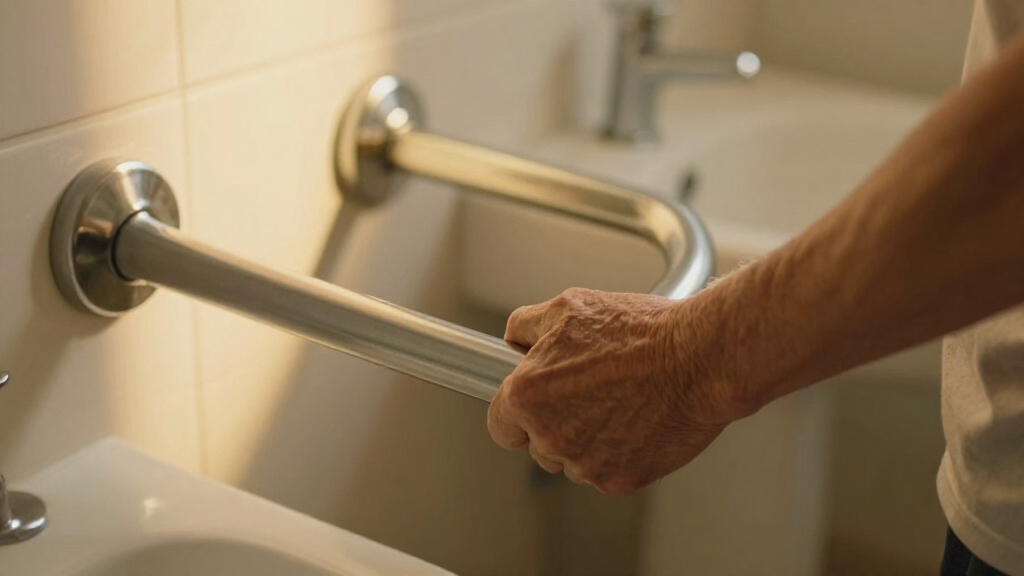
- Supportive Grab Bars and Handrails: Installed in bathrooms, staircases, or along hallways, these provide stability and leverage, helping you maintain balance and avoid reaching or stretching in risky ways. Proper placement can prevent falls and reduce the need for risky attempts to steady yourself, especially on slippery surfaces or uneven terrain.
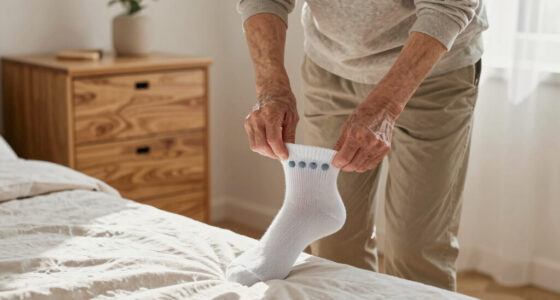
- Specialized Dressing Aids: Sock aids, zipper pulls, and dressing sticks simplify the process of dressing without bending or twisting. They help maintain independence longer, particularly for those with arthritis or limited flexibility. While these aids are highly effective, they may require practice to use comfortably, but the payoff is greater ease and safety in daily routines.
Picture someone using a reacher to grab a book from a high shelf—no stretching on tiptoe, no risking a fall. Or a caregiver using a long-handled tool to tidy the floor without kneeling. These small changes pay off big in safety and ease, reducing the likelihood of injuries and promoting sustained independence.
As an affiliate, we earn on qualifying purchases.
How to Pick the Perfect Aid for Your Needs
Choosing the right tool means matching it to your daily routines and challenges. Here’s a simple step-by-step process:
- Identify the task: Do you need help reaching shelves, cleaning floors, or dressing? Understanding your primary needs helps narrow down the most effective aids.
- Assess your mobility: Do you have limited grip strength, balance issues, or back pain? Recognizing your physical limitations guides you toward tools that accommodate your strengths and weaknesses.
- Test different options: Visit a store or try out aids at home. Pay attention to how the handle feels, how easy it is to operate, and whether the tool reduces strain during use. Comfort and control are key for consistent safety benefits.
- Prioritize safety and comfort: Select lightweight, ergonomic tools that fit well in your hand and are easy to maneuver. This reduces fatigue and the chance of accidental slips or drops.
- Consider adjustability: Can the tool length or height be modified for different tasks? Adjustable features enhance versatility and ensure the aid remains effective as your needs change.
For example, if you struggle with bending to pick up laundry, a reacher with a comfortable grip and a lock-release mechanism can make chores safer and less tiring, ultimately supporting your independence longer.
As an affiliate, we earn on qualifying purchases.
Comparison Table: Reachers vs. Long-Handed Tools
| Feature | Reachers/Grabbers | Long-handled Tools |
|---|---|---|
| Best for | Picking up small objects, reaching low or high shelves | Cleaning floors, gardening, reaching into deep containers |
| Ease of use | Lightweight, simple grip, one-handed operation | Often sturdier, may require two hands for control |
| Adjustability | Typically extendable to 26-36 inches | Usually adjustable or fixed length, up to 48 inches |
| Storage | Compact, fits in a drawer or on a hook | Longer, may need dedicated space but still portable |
Choosing between these depends on your main tasks. For grabbing small items, a reacher is handy; for cleaning or gardening, long-handled tools excel. Understanding these differences helps you select an aid that will genuinely improve your safety and ease of movement, reducing the risk of injury from improper use or unsuitable tools.
As an affiliate, we earn on qualifying purchases.
Safety Tips for Using Aids Effectively
Even the best tools can cause injuries if misused. Keep these tips in mind:
- Read instructions carefully: Ensure you understand how to operate the aid properly. Misuse or misunderstanding can lead to accidents or damage to the tool, undermining safety benefits.
- Maintain good grip: Use tools with ergonomic handles to prevent slips, especially when your hands are wet or sweaty. A secure grip is crucial to avoid dropping objects or losing control, which can cause falls or injuries.
- Don’t overreach: Keep your center of gravity stable. If something’s out of reach, consider a taller aid or ask for help. Overreaching increases the risk of losing balance or straining muscles, which can lead to falls or back injuries.
- Practice safe movements: Use your legs when lifting or reaching to avoid straining your back. Proper body mechanics distribute effort evenly and reduce injury risk, especially when handling heavier objects.
- Regularly inspect tools: Check for cracks, loose parts, or wear that could cause accidents. Well-maintained tools are safer and more reliable, preventing unexpected failures during use.
A quick example: A senior using a reacher to grab a bottle from a high shelf can avoid climbing on a chair, lowering fall risk and protecting their back. Incorporating these safety practices ensures that the aids serve their purpose without introducing new hazards, ultimately supporting a safer, more independent lifestyle.
Frequently Asked Questions
What is the best reacher for someone with limited grip strength?
Look for a reacher with an ergonomic, non-slip handle and a simple trigger mechanism. Features like a soft grip and lightweight design make it easier to operate without requiring much strength.How can I tell if a long-handled tool is safe for me to use?
Choose tools with sturdy, non-slip grips and adjustable lengths. Test the weight and balance before buying, and ensure the handle feels comfortable in your hand.Are these aids suitable for people with arthritis?
Yes, many aids are designed with ergonomic handles and lightweight materials, making them easier to grip and maneuver for those with arthritis or limited hand strength.Can I use these tools outdoors, like in the garden?
Absolutely. Long-handled gardening tools help you avoid kneeling or bending over, making outdoor chores safer and more comfortable.Where can I find affordable aids that actually work?
Check medical supply stores, pharmacies, and reputable online retailers. Many community centers or senior centers also offer demonstrations or loans of these tools.Conclusion
Staying safe and independent doesn’t mean suffering through painful bends or risky reaches. With a few well-chosen, practical aids, you can make daily tasks feel lighter and safer.
Think of these tools as small helpers that keep your body in better shape—so you can focus on what really matters. Why not start with one simple reacher and see how much easier life gets?
Fall Picks
fall essentials
As an affiliate, we earn on qualifying purchases.