
TL;DR
Open a free Amazon Business account
Business pricing, bulk buying and tax-exempt orders.
Create a free accountAs an affiliate, we earn on qualifying purchases.
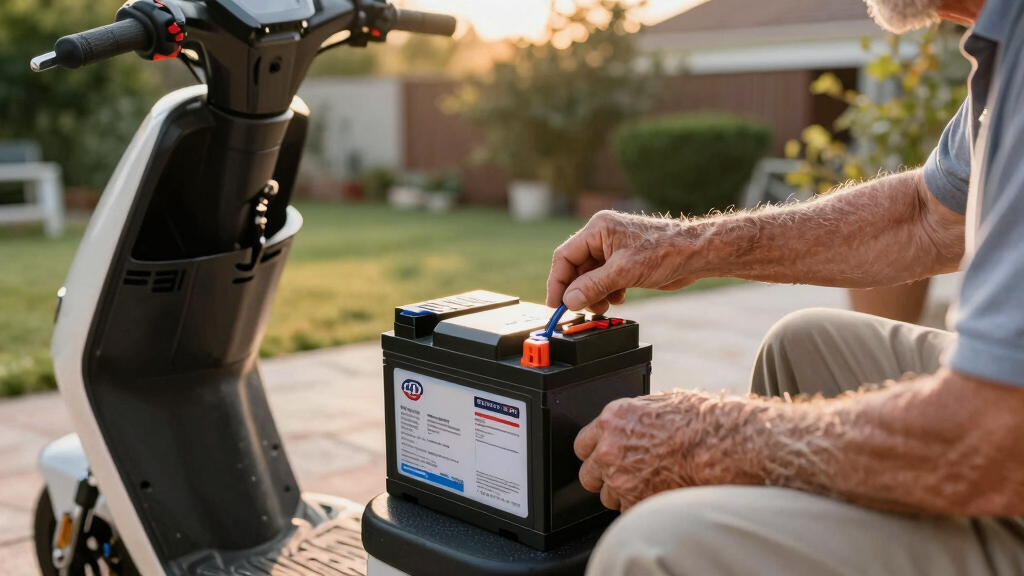
Proper maintenance, regular charging, and smart storage can boost your scooter battery’s lifespan by up to 50%. Newer lithium-ion batteries and smart systems make upkeep easier and safer.
Your mobility scooter battery powers your independence. But many users don’t realize that simple habits—like how and when you charge—can make a big difference in how long your battery lasts. With the right care, you can enjoy smoother rides and fewer surprises.
This guide will walk you through practical, proven steps to keep your scooter’s battery in top shape. Whether you’re new to scooters or a seasoned user, understanding these basics can save you money and frustration down the road.
Regularly charge your scooter after each use to prevent deep discharges.
Keep terminals clean and check for corrosion monthly to maintain performance.
Store batteries in a cool, dry environment and at partial charge when unused long-term.
Upgrade to lithium-ion batteries if compatible—these last longer and charge faster.
Watch for signs of declining performance—these signal it’s time for a new battery.
Small Charging Habits, Longer Scooter Freedom
TL;DR: Proper maintenance, regular charging, and smart storage can boost your scooter battery’s lifespan by up to 50%. The biggest wins are simple: recharge after use, avoid deep discharges, clean terminals monthly, and store batteries at a partial charge in a cool, dry place.
Monthly terminal inspection can prevent corrosion-related performance loss and help avoid sudden range drops.
Keep the Battery Out of the Danger Zone
Mobility scooter batteries age faster when they are repeatedly drained to empty. A reliable routine is simple: charge after each ride, use the manufacturer’s charger, and make recharging as automatic as locking the door.
Recharge early
Plug in after short trips too. Frequent top-ups prevent deep discharge stress and keep the scooter ready for the next ride.
Avoid empty
Modern batteries dislike being fully drained. Recharging before the low zone helps preserve usable capacity.
Charge safely
Heat and moisture shorten lifespan. Charge away from direct sunlight, damp areas, and hot garages.
Charging Choices That Protect Range
The right charger and environment reduce overheating, overcharging, and chemical stress. These are small discipline points with a real payoff: safer charging and fewer surprise replacements.
| Practice | Best move | Risk signal |
|---|---|---|
| Charger | ✓ Use the manufacturer charger | ✗ Generic charger mismatch |
| Location | ✓ Dry, cool, shaded space | ✗ Hot garage or sunlight |
| Charge level | ✓ Recharge before 20% | ✗ Repeated full drains |
| Full battery | ~ Unplug once complete | ~ Relying on shutoff forever |
Heat is the hidden battery tax
Overcharging, deep discharges, and high temperatures are the main factors that shorten scooter battery life. Smart chargers and battery management systems help, but the safest routine still starts with how and where you charge.
- Charge after use, even when the trip was short.
- Keep the charger and scooter away from direct heat.
- Stop use immediately if the battery is leaking or swollen.
The Monthly Care Loop
A battery does not only need electricity. It needs clean contact points, moderate storage conditions, and regular activity. Treat these as one connected loop and the scooter stays more predictable.
Look for corrosion
Check terminals monthly for white or greenish buildup, leaks, cracks, or swelling.
Restore contact
Use a soft brush or cloth with a baking soda and water mix when buildup appears.
Reduce resistance
A thin layer of dielectric grease helps slow future corrosion and power loss.
Ride weekly
Short rides keep battery chemistry active and reveal performance changes early.
Store at Partial Charge, Replace on Symptoms
If the scooter will sit unused, disconnect the battery and store it around 50-70% charge in a cool, dry place. When range drops sharply or charging takes much longer than usual, the battery may be near the end of its useful life.
12-24 months
Common and affordable, but heavier and more sensitive to deep discharges and inactivity.
3-5 years
Lighter, faster charging, and increasingly supported by smart battery management systems.
From Habit to Longer Independence
How to Keep Your Battery Fully Healthy with Regular Charging
Charging your scooter battery after each use is the best way to keep it in prime condition. An example? After a quick trip around your yard, plugging in your scooter overnight helps maintain a steady charge, avoiding deep discharges that can damage the battery.
Modern batteries hate being completely drained. Always recharge before your battery drops below 20%. This habit prevents stress on the cells and extends overall life.
Here’s a simple tip: Set a reminder. Make it part of your routine—like brushing your teeth. This little trick keeps your battery happy and ready to go.
Understanding why this matters: Deep discharges force the battery’s chemistry into stress, which accelerates aging and diminishes capacity over time. Consistently recharging before complete depletion minimizes this stress, effectively preserving the battery’s health and ensuring reliable performance. The tradeoff is that frequent charging requires a habit—yet the benefit is a significantly longer-lasting battery that saves money and reduces downtime.

24V 2A Battery Charger for GoGo Mobility Scooter – 24V 2000mA Automatic SLA Scooter Charger (3-Pin XLR Connector) for Drive Medical, Go-Go Elite Traveller, Jazzy Power Chair, Pride Mobility, ShopRider
- Voltage and Current: 24V 2A automatic charger
- Connector Type: 3-Pin XLR connector
- Compatibility: Fits mobility scooters and power chairs
As an affiliate, we earn on qualifying purchases.
As an affiliate, we earn on qualifying purchases.
The Do’s and Don’ts of Charging Your Scooter
| Best Practices | What to Avoid |
|---|---|
| Use the original charger provided by the manufacturer. | Don’t use a different charger that’s not designed for your battery type. |
| Charge in a dry, cool place, away from direct sunlight. | Don’t leave your scooter in hot garages or in direct sunlight while charging. |
| Unplug once the battery is fully charged. | Avoid overcharging—many chargers now shut off automatically. |
For example, leaving your scooter plugged in all day might seem harmless, but it can slowly degrade the battery over time. Using the right charger and following these tips helps preserve battery health.
Why does this matter? Overcharging or charging in extreme temperatures can lead to battery overheating, which not only reduces lifespan but could pose safety risks like thermal runaway. Choosing the right charger and adhering to recommended practices minimizes these risks. The tradeoff is a slightly more disciplined charging routine, but in return, you get a safer, longer-lasting battery that maintains optimal performance.
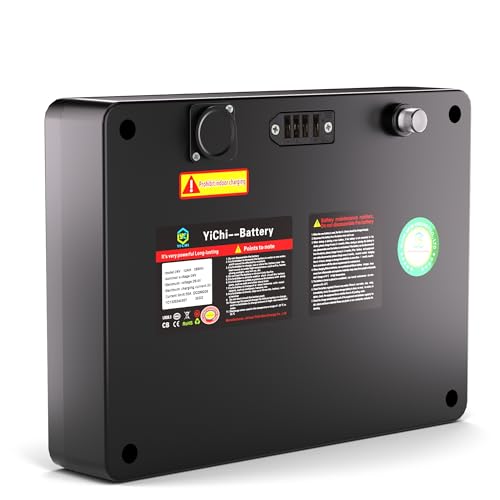
SUGOGO Mobility Scooter Spare Lithium Battery Accessories for YL-985 Mobility Scooters, 24V 12AH, Provides 12.4 Miles Range
- Battery Capacity: 24V 12AH lithium-ion battery
- Extended Range: Adds 12.4 miles per charge
- Easy Swap: Replace main battery effortlessly
As an affiliate, we earn on qualifying purchases.
As an affiliate, we earn on qualifying purchases.
How to Keep Your Battery Clean and Corrosion-Free
Corrosion at the terminals is a common enemy. It looks like a greenish or white crust that can reduce power flow. Regular cleaning with a baking soda and water mix keeps corrosion at bay and ensures good contact.
Corrosion not only hampers the electrical connection but can also accelerate battery deterioration, leading to reduced capacity and shorter lifespan. If ignored, corrosion can cause sudden power failures or uneven charging, forcing you to replace the battery sooner than expected. Regular cleaning prevents these issues, saving you money and inconvenience. Imagine the difference between a shiny, clean terminal and a corroded one—power flows smoothly, and your scooter runs longer. Check your terminals monthly, especially if you notice reduced range or sluggish performance.
Use a soft brush or cloth, and handle batteries with care. Wipe away any build-up gently, then apply a thin layer of dielectric grease to protect against future corrosion. The importance of this maintenance: corrosion creates resistance at the connection points, which can cause the battery to work harder, generate heat, and wear out faster. Regular cleaning and protective coatings help maintain optimal electrical flow, which directly impacts your scooter’s reliability and longevity. Neglecting this simple step can lead to more frequent replacements and higher costs over time.

Battery Terminal Cleaner Tool Kit, 2-Pack Battery Post Wire Brush with Metal Case and 10 Anti-Corrosion Fiber Washers (5 Red & 5 Green) for Car, Truck, RV and Marine Batteries
- Effortless corrosion removal: Dual-ended stainless steel wire brush
- Corrosion protection: Fiber gaskets block acid and moisture
- Universal compatibility: Suitable for 6V and 12V batteries
As an affiliate, we earn on qualifying purchases.
As an affiliate, we earn on qualifying purchases.
Storing Your Battery When You’re Not Using Your Scooter
If you won’t ride your scooter for a while, don’t just leave the battery attached and forget it. Instead, charge it to around 50-70%, then disconnect it. Store it in a cool, dry place—think of a closet or basement that stays steady at 60°F (15°C).
Proper storage is crucial because extreme temperatures can cause chemical reactions inside the battery, leading to capacity loss or failure. Cold temperatures can cause the electrolyte inside lead-acid batteries to freeze, damaging the internal structure, while excessive heat accelerates chemical degradation. By storing your battery at a moderate temperature and partial charge, you preserve its health and readiness for future use. Picture this: An older adult who stored her scooter in a shed during winter experienced battery failure after a few months. A simple step—disconnecting and storing in a controlled environment—would have prevented that.
Why does this matter? Batteries are sensitive to temperature fluctuations. Cold can cause internal freezing and damage, while heat can speed up chemical breakdown, both reducing lifespan. Storing at moderate temperatures and partial charge minimizes these risks, ensuring your battery remains reliable when you need it again. The tradeoff involves a little planning—remembering to disconnect and store properly—but this investment in care greatly extends your battery’s useful life and performance.

WEIZE 12V 35AH Deep Cycle Battery for Scooter Pride Mobility Jazzy Select Electric Wheelchair, Set of 2
- Rechargeable Maintenance-Free Battery: Sealed lead acid, no maintenance needed
- Battery Size: 7.68 x 5.12 x 7.09 inches
- Set of 2 Batteries: Includes screws, no wires or mounts
As an affiliate, we earn on qualifying purchases.
As an affiliate, we earn on qualifying purchases.
How Regular Use Keeps Your Battery in Top Shape
Using your scooter weekly helps keep the battery active. Even short trips around the block or inside your home help prevent the battery from becoming sluggish. Think of it like exercising your muscles—use it or lose it.
For example, an elderly user who rides his scooter twice a week noticed his battery lasted longer and stayed consistent. Inactive batteries tend to develop memory effects, especially lead-acid types, reducing their capacity over time. Regular use not only maintains the battery’s chemical balance and capacity but also helps identify potential issues early, such as swelling or unusual performance drops, before they become major problems. So, even if you don’t need it daily, a little ride keeps the battery healthy and ready when you need it most.
Why does this matter? Batteries are like muscles—they need regular activity to stay strong. Infrequent use can lead to sulfation in lead-acid batteries or capacity loss in lithium-ion types, both reducing lifespan. Routine use helps keep the chemical reactions active, prevents the buildup of harmful deposits, and allows early detection of issues. The tradeoff is dedicating a little time each week, but the payoff is a longer-lasting, more reliable battery that performs well when you need it most.
When and How to Replace Your Scooter Battery
Batteries generally last between 1-3 years, depending on usage and maintenance. Reduced range, longer charging times, or difficulty holding a charge are signs that your battery’s capacity has diminished significantly. Replacing it at the right time prevents unexpected breakdowns and ensures your scooter performs reliably.
For example, a family caregiver noticed her mother’s scooter wasn’t going as far as before after two years. Replacing the battery restored much of its original performance and saved her from buying a new scooter. Keep in mind that some batteries, like lithium-ion, can last up to 5 years with proper care, but they still wear out eventually due to chemical aging. When replacing, verify compatibility and consider upgrading to newer battery tech, which often offers longer life and better performance, but always consult your scooter’s manufacturer guidelines. Proper timing and compatible replacements can save you money and frustration.
Understanding when to replace your battery involves more than just observing reduced range. It’s about recognizing the signs of aging—such as increased charging times, swelling, or sudden drops in performance—and weighing these against the cost and effort of replacement. Choosing the right time ensures you don’t get stranded unexpectedly and helps you plan for upgrades that could enhance your scooter’s overall performance. The tradeoff is staying vigilant and investing in quality replacements, but this approach maximizes your scooter’s reliability and lifespan.
What’s New in Battery Tech? Why It Matters for Your Scooter
Newer scooters now often use lithium-ion batteries, which are lighter, last longer, and charge faster. They can power your scooter for up to 20-30 miles on a single charge, compared to 10-15 miles with older lead-acid types.
Plus, smart battery management systems (BMS) monitor the health, temperature, and charge cycles, preventing overcharging and overheating. For example, some smart chargers now automatically stop once the battery is full, reducing stress on the cells. These advancements mean your scooter can go farther and last longer with less maintenance. They also reduce the risk of thermal runaway or battery failure, making your rides safer. Embracing these innovations can lead to more reliable and efficient mobility, especially for longer trips or outdoor adventures.
Why does this matter? These technological improvements directly impact your experience: longer range, quicker charging, and safer operation. They also reduce maintenance hassles and extend the overall lifespan of your scooter’s power source. The tradeoff is that newer batteries and systems might cost more upfront, but in the long run, they offer better value through enhanced performance and peace of mind.
Simple Steps to Maximize Your Battery’s Lifespan
- Charge after each ride—don’t wait until it’s empty.
- Keep terminals clean and check for corrosion monthly.
- Store batteries in cool, dry places when not in use.
- Use the correct charger, and unplug once fully charged.
- Replace batteries before performance drops sharply—usually after 2-3 years.
Following these steps can extend your battery’s life by up to 50%, saving you money and hassle.
Why is this important? Adopting these practices ensures that your battery remains in optimal condition longer, preventing premature failure and costly replacements. Proper charging habits reduce stress on the battery’s internal components, while regular maintenance like cleaning terminals prevents resistance buildup. Smart storage minimizes exposure to damaging temperatures. The tradeoff involves some discipline, but the payoff is a significantly longer lifespan, better performance, and more reliable rides over the years.
Frequently Asked Questions
How often should I fully charge my scooter’s battery?
Charge your scooter after every ride, or at least once every few days if not in use. Keeping it topped off helps prevent deep discharges that can reduce battery lifespan.Is it okay to leave my scooter plugged in all the time?
Modern chargers and batteries are designed to stop charging once full, but unplugging once charged extends battery life. It’s a good habit to unplug when not actively charging.How do I know when it’s time to replace my scooter battery?
Look for reduced range, longer charging times, or trouble maintaining a full charge. These signs often indicate the battery has worn out and needs replacing.Should I store my scooter with a full or partial battery charge?
Store the battery at about 50-70% charge in a cool, dry place. This helps preserve its health during long periods of inactivity.Can I switch from lead-acid to lithium-ion batteries?
Yes, but check compatibility first. Lithium-ion batteries last longer—up to 5 years with proper care—but may require modifications, so consult a professional.Conclusion
Your scooter’s battery is the heart of your independence. With simple habits—daily charging, regular cleaning, smart storage—you can keep it running smoothly for years. Think of it as giving your battery a little daily TLC, and it’ll reward you with reliable rides and peace of mind.
Remember, a well-maintained battery isn’t just about savings; it’s about staying active, safe, and connected to what matters most.
Baby shower & registry season Picks
baby registry must-haves
As an affiliate, we earn on qualifying purchases.