
TL;DR

Turn quiet afternoons into listening time
- Thousands of audiobooks, podcasts and originals
- Listen on your phone, tablet or Echo — also offline
- Cancel anytime
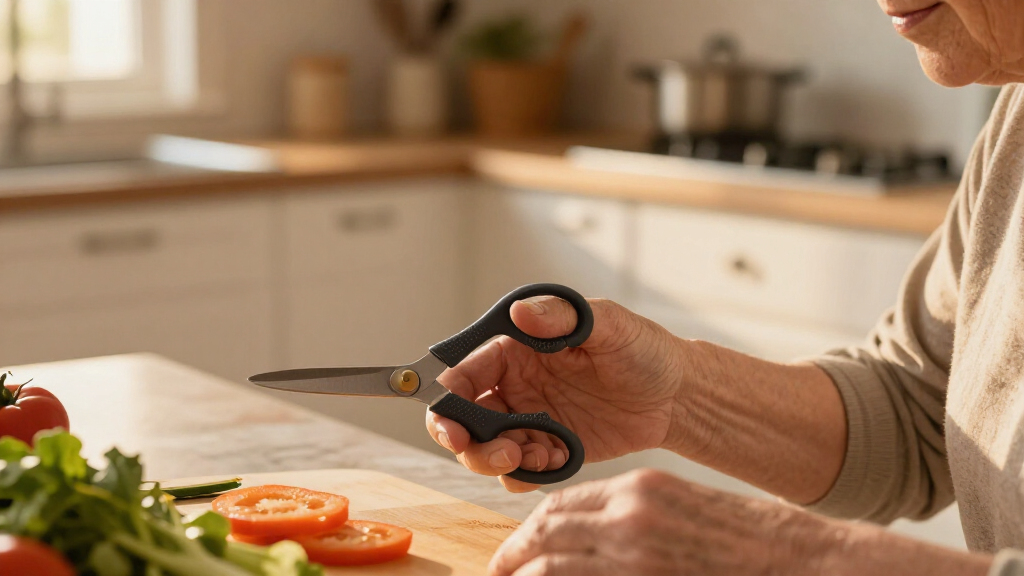
Aids for cutting food with limited grip improve independence and safety. Modern tools like ergonomic knives and powered devices make food prep easier, especially for seniors or those with dexterity challenges.
Ever struggled to cut a soft apple or slice bread without slipping? If so, you’re not alone. Many people with arthritis, stroke, or age-related decline find standard knives frustrating and unsafe. Fortunately, a range of tools now exists to turn this chore into a simple, safe task.
In this guide, you’ll discover practical aids designed specifically for limited grip. We’ll explore how they work, recent innovations, and what to consider when choosing the right one. Whether for yourself or a loved one, these tools can bring back confidence at mealtime.
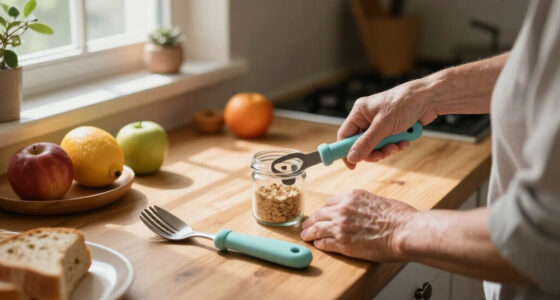
Choose ergonomic, non-slip aids that fit comfortably in your hand to reduce effort and increase control.
Assess your specific needs—food type, grip strength, and safety features—before selecting a tool.
Modern powered cutters and smart utensils can cut effort by up to 70%, making food prep safer and easier.
Regular maintenance and correct use are vital for safety and durability of aids.
Involving a professional like an occupational therapist can ensure the best fit for your abilities.
Aids for Cutting Food With Limited Grip
Ergonomic knives, stabilizing aids, and powered cutters can turn a frustrating kitchen task into a safer, simpler routine. The best choice reduces force, improves control, and fits the user—not just the food.
Four ways to make cutting easier
Limited grip can result from arthritis, stroke, injury, or age-related decline. Each aid solves a different part of the problem: force, wrist motion, stability, or repetition.
Rocker knives
A curved blade uses a gentle rocking motion instead of repeated sawing. Ideal for soft foods, bread, fruit, and many plated meals.
Adaptive utensils
Large, cushioned, angled, or contoured handles spread pressure across the hand and reduce the grip needed to control the blade.
Boards & holders
Suction bases, spikes, clamps, and guides keep food from sliding. They are especially helpful when only one hand can be used.
Powered cutters
Battery-operated mechanisms handle tougher foods and repetitive tasks while reducing fatigue, strain, and sustained hand pressure.
Match the tool to the hand and task
Comfort alone is not enough. A useful aid should remain stable, suit the foods being prepared, and require movements the user can repeat without pain.
Assess grip and dexterity
Choose large, cushioned handles when holding jars, cups, or standard utensils is difficult.
Identify the usual foods
Soft fruit and bread need a different cutting action from meat, root vegetables, or repetitive batch prep.
Check stability and guards
Look for non-slip contact points, secure blades, food holders, and powered safety locks.
Test before committing
The tool should feel secure without squeezing, twisting, or forcing the wrist into an awkward angle.
Where each aid works best
Longer bars indicate a stronger fit for demanding or repetitive food-preparation tasks.
Best-fit shortcut: an occupational therapist can assess strength, pain, range of motion, and one-handed techniques before recommending a tool.
Three popular aids, side by side
The best option balances effort, food type, cleaning demands, and price. Powered does not automatically mean better for every user.
| Feature | Rocker knife | Adaptive utensil | Powered cutter |
|---|---|---|---|
| Ease of use | ✓Minimal force; rocking motion | ✓Comfort-shaped, non-slip grip | ✓Motor reduces manual effort |
| Ideal for | Soft foods, bread, fruit, plated meals | Everyday foods; arthritis or age-related weakness | Hard foods, thick cuts, repetitive preparation |
| Typical cost | $15–$40 | $10–$30 | $50–$200 |
| Cleaning | ✓Often dishwasher safe | ✓Wipe clean or dishwasher | ~Some parts need careful cleaning |
| Key consideration | Blade curve must suit the plate and motion | Handle diameter and angle must fit the hand | Check guards, locks, charging, and removable parts |
Price ranges are general guides. Confirm specifications, certifications, and cleaning instructions with the manufacturer.
Smarter, lighter, easier than before
Recent design advances focus on reducing sustained pressure while making tools more intuitive, hygienic, and adaptable to individual abilities.
Battery assistance
Compact motors take over demanding cuts without requiring a tight, continuous grip.
Sensor-led utensils
Smart tools may provide gentle feedback when pressure or movement becomes uneven.
Antimicrobial surfaces shaped by real users
Lightweight materials improve hygiene and handling, while direct user involvement produces more practical grips, controls, and adjustment options.
From secure setup to confident cutting
A good tool reduces risk only when it is stable, correctly handled, regularly inspected, and matched to the resistance of the food.
Inspect
Check blades, grips, guards, and moving parts.
Stabilize
Dry the handle and secure the board or plate.
Position
Use a neutral wrist and comfortable hand contact.
Cut gently
Let the aid’s motion or motor do the work.
Clean & store
Follow instructions and protect the blade.
Safety checks
- Look for cracks, loose parts, worn grips, or damaged guards.
- Keep blades sharp; dull edges invite excess force and slipping.
- Use a non-slip mat, suction base, clamp, or food holder.
- Never force a resistant tool—reposition or change the aid.
Care and maintenance
- Confirm which parts are dishwasher safe before cleaning.
- Avoid abrasive products that can damage grips and surfaces.
- Dry components thoroughly before assembly or storage.
- Follow manufacturer guidance for charging and blade replacement.
Common questions
Personal ability varies. Treat these answers as a starting point and seek professional advice when pain, weakness, or neurological changes affect safety.
What is best for arthritis?
A lightweight rocker knife with a curved, non-slip handle often works well because it reduces wrist movement and grip force.
Are powered cutters safe daily?
Yes, when correctly used and maintained. Prioritize blade guards, safety locks, secure grips, and clear manufacturer instructions.
Can these aids go in a dishwasher?
Many manual aids can, but not all materials or powered components are dishwasher safe. Always check the product label.
Can regular utensils be modified?
Rubber grips or handle build-ups may help, but purpose-designed aids are generally safer for frequent or demanding use.
Choose control over complexity
The right aid should feel secure, reduce pain and fatigue, suit the foods being cut, and be simple enough to use and clean every day.
What Makes a Cutting Aid Perfect for Limited Grip?
Having a good cutting aid is all about reducing effort and increasing control. Look for ergonomic handles that fit comfortably in your hand, made with soft, non-slip materials. Devices that stay firmly on the table or plate prevent slipping, which can be a safety hazard.
For example, a rocker knife with a rounded handle requires less force and wrist movement. It glides through soft foods with a gentle rocking motion, perfect for those with arthritis or weak grip. The right tool feels smooth, secure, and easy to maneuver.
Choosing the right features isn’t just about comfort—it’s about safety and reducing fatigue. A poorly designed tool can cause strain or accidental slips, leading to cuts or injuries. Understanding how design impacts usability helps in selecting aids that genuinely assist without introducing new risks.
ergonomic food cutting knives for limited grip
As an affiliate, we earn on qualifying purchases.
As an affiliate, we earn on qualifying purchases.
How to Choose the Best Cutting Tools for Weak Hands
- Assess grip strength and hand dexterity. If opening jars or holding objects is hard, look for tools with large, cushioned handles. These handles distribute pressure more evenly and require less grip force, which reduces fatigue and pain over time.
- Consider the food type. Soft foods like bread or fruits require different tools than tougher items like meats or root vegetables. Using the right tool for each food minimizes effort and prevents accidents—like slippage or tearing—by matching the tool’s design to the task.
- Prioritize safety and ease of cleaning. Dishwasher-safe, lightweight aids save effort and ensure hygiene. Materials that resist bacteria and are easy to sanitize help prevent infections, especially important for those with compromised immune systems.
- Test the device if possible. Holding it in your hand helps determine comfort, grip security, and control. A tool that feels awkward or slips in your hand may increase the risk of injury, so personal testing is essential.
- Consult an occupational therapist for personalized recommendations tailored to specific needs. They can suggest modifications or specific tools that align with your physical capabilities and daily routines.
For example, someone with rheumatoid arthritis might prefer a lightweight, curved knife with a non-slip grip, making cutting less painful and more secure. This tailored approach ensures safety and comfort, reducing the frustration often associated with inadequate tools.
As an affiliate, we earn on qualifying purchases.
Compare Popular Aids for Limited Grip in a Clear Table
| Feature | Rocker Knife | Adaptive Utensil | Powered Food Cutter |
|---|---|---|---|
| Ease of Use | Requires minimal force, rocking motion | Handles shaped for comfort, non-slip grip | Electric, reduces manual effort |
| Ideal For | Soft foods, bread, fruits | Various foods, especially for elderly or with arthritis | Hard foods, thick cuts, or repetitive tasks |
| Cost Range | $15–$40 | $10–$30 | $50–$200 |
| Cleaning | Easy, dishwasher safe | Simple wipe or dishwasher | Requires careful cleaning, some parts dishwasher safe |
This comparison helps you weigh the effort, cost, and foods suited to each aid, making an informed choice easier. Remember, considering these factors ensures you select a tool that aligns with your specific needs, lifestyle, and safety considerations, ultimately making mealtime safer and more manageable.
As an affiliate, we earn on qualifying purchases.
Recent Innovations Making Cutting Easier Than Ever
Technology is transforming how people with limited grip handle food prep. Battery-powered cutters with ergonomic designs now reduce manual effort by up to 70%, according to recent studies. These tools are lightweight and often feature soft grips, making them a joy to use.
Some smart utensils incorporate sensors or feedback to help guide your hand. For instance, a device might vibrate gently if you’re pressing unevenly, encouraging better control. Material improvements, like antimicrobial, lightweight plastics, also boost hygiene and ease of handling.
Designers now involve users in the development process, ensuring these aids meet real needs. As a result, aids are becoming more intuitive, affordable, and tailored for individual abilities. These innovations not only improve safety but also empower users to perform tasks with greater independence, reducing reliance on caregivers or family members.
adaptive kitchen tools for arthritis
As an affiliate, we earn on qualifying purchases.
As an affiliate, we earn on qualifying purchases.
Safety First: Using and Maintaining Cutting Aids Properly
Even the best aids require proper use to stay safe. Always check for cracks, loose parts, or worn grips before each use. Keep blades sharp and handles dry to prevent slips.
For powered tools, follow manufacturer instructions carefully. Regular cleaning and maintenance extend their lifespan and maintain safety. For example, dishwasher-safe aids save time, but avoid abrasive cleaners that can damage surfaces.
Remember, never force a tool—if it feels resistant, check alignment or choose a different aid. Proper handling reduces the risk of cuts or strain. Additionally, understanding how to store and handle these tools safely prevents accidents and prolongs their effectiveness, ensuring they remain reliable for daily use.
Frequently Asked Questions
What is the best type of knife for someone with arthritis?
A rocker knife with a curved, non-slip handle is often recommended. It requires less wrist movement and force, making cutting easier and less painful for those with arthritis.
Are powered cutters safe for daily use?
Yes, when used correctly and maintained properly. Choose models with safety features like blade guards and easy-to-hold grips, and always follow the manufacturer’s instructions.
Can these aids be cleaned in a dishwasher?
Many aids are dishwasher safe, but always check the product label. Regular cleaning prevents bacteria buildup and keeps tools in good working order.
How much do these aids usually cost?
Prices range from around $10 for simple adaptive utensils to $200 for advanced powered cutters. Consider your needs and budget when choosing the right aid.
Can I modify regular utensils for limited grip?
Simple modifications, like adding rubber grips or tape, can help. However, professionally designed aids are safer and more effective, especially for repetitive or heavy use.
Conclusion
Cutting food with limited grip no longer means struggling or risking injury. The right tools can turn a challenging task into a safe, simple routine. Think of these aids as an extension of your hand—making independence feel natural again.
Remember, small adjustments can make a big difference. Invest in a tool that feels right, and reclaim the joy of preparing your favorite meals. Your kitchen, and your confidence, will thank you.
Fall Picks
fall essentials
As an affiliate, we earn on qualifying purchases.