
TL;DR

Turn quiet afternoons into listening time
- Thousands of audiobooks, podcasts and originals
- Listen on your phone, tablet or Echo — also offline
- Cancel anytime
Simple bathroom upgrades that boost comfort include better mirror lighting, a working exhaust fan that vents outdoors, easy-reach storage, and shower fixtures that suit your routine. Start by fixing leaks and moisture problems, then choose changes that fit your layout, budget, and maintenance needs. For grab bars, electrical work, or plumbing changes, use a qualified professional when needed.
The first step onto a cold bathroom floor can make a familiar morning routine feel less inviting. Yet a comfortable bathroom doesn’t always require a full remodel. A new towel hook, more useful mirror lighting, or a fan that clears steam can change how the room feels day to day.
This guide walks you through simple bathroom upgrades that boost comfort, from warmth and water to storage and safer footing. You’ll learn which changes may be easy to add, what deserves a professional’s help, and how to choose updates that won’t create extra cleaning work. Small changes can make a bathroom easier to use while keeping the space familiar and personal.
Start with the bathroom problem you notice most, but fix leaks and persistent moisture before cosmetic updates.
A towel warmer is often simpler to retrofit than radiant floor heating; weigh installation, energy use, and upkeep.
Pair even general lighting with useful mirror lighting, and choose a night setting that helps you see without glare.
Choose shower fixtures and storage based on reach, water pressure, room layout, and the cleaning they require.
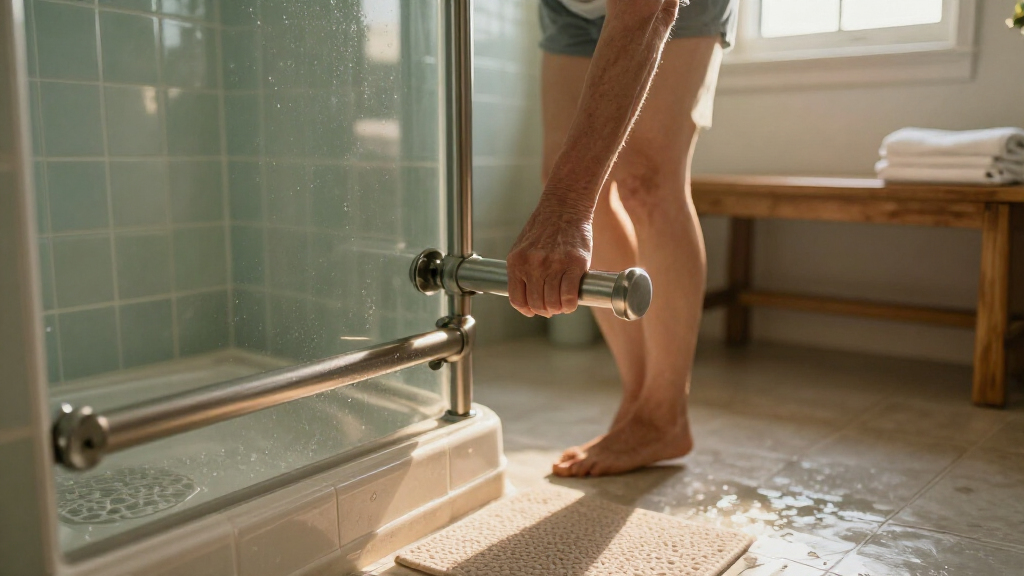
Use securely installed grab bars and properly fitted nonslip mats; ask a qualified professional about placement and installation.
Simple Bathroom Upgrades That Boost Comfort
Small, well-chosen changes can make daily routines warmer, easier, and safer without a full remodel. Start with leaks and moisture, then choose upgrades that suit your space and upkeep.
Make everyday routines easier
Focus on the changes you will notice and use every day.
Warm towels, simpler retrofit
A towel warmer may be easier to add than heating beneath finished tile. Compare installation, energy use, and care.
Pair general and mirror light
Even room lighting plus mirror task lighting helps with grooming. A dimmer or warm-toned light can soften evenings.
Keep essentials within reach
Hooks, drawer organizers, and recessed shelves reduce clutter while keeping the floor route clear.
Fix moisture at its source
Ventilation works best when the fan is suited to the room and sends damp air outdoors.
Address moisture problems before repainting or adding new finishes.
A fan should clear air outdoors, not into an attic or wall cavity.
Correct sizing and quiet operation matter; persistent moisture may need professional assessment.
Choose shower comfort that fits
Reach, water pressure, and plumbing all affect how a fixture feels in daily use.
- Handheld sprayer with comfortable hose reach
- Controls that are easy to grip and understand
- Water-saving fixtures suited to home pressure
- Fixture compatibility and spray settings
- Whether plumbing changes need a qualified professional
- Full cost, upkeep, and local requirements
Improve footing and access
Small accessibility updates can make the room easier to use while keeping the route through it clear.
- Use securely installed grab bars; ask a qualified professional about placement.
- Choose securely fitted nonslip mats and keep floors dry.
- Consider a shower seat or handheld shower based on household needs.
Warm Up Cold Mornings Without Replacing the Floor
Simple bathroom upgrades that boost comfort can start with warmth you feel as soon as you step from the shower. A towel warmer is often a simpler retrofit than radiant floor heating, while heated floors may require work beneath existing tile. The right choice depends on the room, the installation cost, and how much warmth matters to your routine.
Imagine getting ready before sunrise: the tile feels cool, and your towel has been hanging in the same chilly air. A towel rail that warms towels can make that moment more pleasant without changing the floor. Check the unit’s placement, capacity, power needs, and care instructions before choosing one; damp-room electrical work may call for a qualified installer and must follow local requirements.
Radiant floor heating can feel lovely in a cold climate, especially when it is planned as part of a flooring project. Adding it under finished tile can mean more disruption and expense. Ask for the full cost, including installation, energy use, and any flooring repairs, and compare it with a towel warmer or a securely fitted bath mat.
Comfort should not make the floor harder to use or clean. Keep cords away from wet areas, follow the manufacturer’s directions, and avoid loose mats that bunch underfoot. A small, warm towel waiting within easy reach may be all the change you need.
Products Worth Considering

Philips Hue White and Color Ambiance Smart Light Starter Kit, 2 A19 Bulbs with Hub

Philips Hue Smart LED Candle Bulbs, B39, E12, White and Color Ambiance, 2-Pack

Philips Hue Secure Starter Kit with Contact Sensors, Motion Sensor, Bridge, and Color Smart Bulbs
As an affiliate, we earn on qualifying purchases.
Make Grooming Easier With Brighter, Softer Light
Better bathroom lighting helps you see your face, clothes, and the floor more clearly. A useful setup pairs even general light with task lighting near the mirror, so you don’t have to rely on one ceiling fixture to do everything. Dimmers or warm-toned bulbs can make the room feel calmer when you’re winding down.
Suppose you shave, apply makeup, or sort medications at a mirror that casts shadows across your face. A light above or beside the mirror can make those tasks easier to see. In a narrow bathroom, a brighter, more even fixture may also help you spot a damp patch or a bath mat that has shifted.
Think about how light changes through the day. Strong, cool light can be handy for grooming, while a dimmer setting may suit an evening bath. If you use night lighting, choose a placement that illuminates the route to the toilet without shining straight into your eyes. Lighting preferences vary, so a simple bulb change can be a sensible first step before replacing fixtures.
Some updates involve wiring, fixtures near water, or changes to existing electrical work. Check local rules and bring in a qualified professional when the job calls for it. A bathroom should feel clear and welcoming, like opening a curtain on a gray morning, rather than harsh or glaring.
Clear Steam and Lingering Odors With Better Ventilation
Effective ventilation helps clear shower moisture and lingering odors from the bathroom. A properly sized exhaust fan should move air outdoors, not into an attic or wall cavity. If your mirror stays foggy long after a shower or the fan makes an unpleasant racket, check its condition before spending money on cosmetic updates.
For example, if a household member takes a warm shower before work, steam may settle on the mirror, walls, and towels. Running a suitable fan during and after the shower helps remove moist air from the room. A quiet fan may be easier to live with, but it still needs to be sized and installed for the space.
Look for signs that deserve attention: a fan that does not seem to move air, damp patches, recurring musty smells, or moisture that lingers. Fix leaks and existing moisture problems before repainting or adding new finishes; a fresh coat of paint cannot repair the cause. Persistent mold or moisture may need a professional assessment.
Humidity-sensing fans are one current design option, but added features may cost more and may need compatible wiring or maintenance. The useful question is whether the fan works for your bathroom and whether its route outdoors is clear. When you’re unsure, have the existing setup assessed before choosing a replacement.
Choose Shower Controls That Feel Good in Your Hands
Comfortable shower fixtures match your preferred water feel, temperature, and reach. A quality showerhead, handheld sprayer, or thermostatic valve may make showering more pleasant, but performance depends on the fixture, household water pressure, and plumbing. Water-saving designs can lower water use, though a reduced flow rate does not feel the same to everyone.
Think of a caregiver helping someone rinse shampoo from the back of their hair, or a person who prefers to sit while showering. A handheld sprayer can make rinsing more flexible when the hose and controls sit within comfortable reach. A hose that is too short or a control placed awkwardly can turn a helpful feature into a daily nuisance.
Before buying, compare the fixture’s flow information, spray settings, hose length, and compatibility with your shower. If you’ve assumed a water-saving head will feel weak, try to judge actual design and home water pressure rather than relying on the label alone. Household plumbing varies, so an installer can help if pressure is already low or connections are unusual.
A thermostatic valve may help keep shower temperature steady, depending on the setup and product. Plumbing changes can require a qualified professional and may be subject to local rules. Pick controls that are easy to grip and understand, then keep the instructions somewhere you can find them.
Free Up Floor Space With Storage You Can Reach
Easy-reach storage can make a small bathroom feel calmer without taking up more floor space. Hooks, drawer organizers, recessed shelves, and towel storage near the point of use help keep everyday items close at hand. The best arrangement reduces clutter while leaving a clear route through the room.
Picture a morning routine with a towel across the room, shampoo on the tub edge, and a hairbrush buried in a drawer. A hook beside the shower, a shelf at a comfortable reach, and a small drawer organizer can replace those little detours. Wall-mounted storage may be especially useful in a tight bathroom because it keeps items off the floor.
Before adding shelves or hooks, consider who uses them and what they need to reach. Store frequently used items at a comfortable height, and avoid placing heavy objects where they could fall. If you rent, check what mounting methods your agreement allows; if you own the home, confirm what lies behind the wall before drilling.
Storage should also be simple to clean. A crowded counter collects bottles and damp rings, while an overfilled open shelf can become a dusting chore. Keep only the daily essentials in easy reach, then move spare towels and occasional products to a separate cabinet. A clear counter makes even a modest room feel more breathable.
Add Safety Features That Blend Into Your Bathroom
Well-chosen accessibility features can make daily routines easier while preserving the bathroom’s familiar look. Properly anchored grab bars, nonslip surfaces, a handheld shower, and a shower seat may suit different people and layouts. No mat or surface removes all fall risk, so keep floors dry and use mats that fit securely.
For instance, someone who feels unsteady while stepping into a tub may benefit from discussing grab-bar placement with a qualified installer. A bar anchored into appropriate structure is more reliable than a suction-cup model. Placement depends on how the person moves through the space, so a professional can help match the installation to the bathroom and its users.
A shower seat can offer a place to sit during bathing, but it needs to fit the shower and be used according to its instructions. A handheld sprayer may make rinsing easier from a seated position. Check that controls, soap, and towels are within comfortable reach, so the person doesn’t have to stretch across a wet floor.
These changes work best when they support dignity and choice. Ask the person who uses the room what feels awkward or tiring, then address that routine first. For medical or mobility questions, speak with a qualified professional who can advise on individual needs; this guide is practical home information, not medical advice.
Refresh the Room With Changes That Are Easy to Care For
Low-effort refreshes can make a bathroom feel cleaner and more personal without replacing its main finishes. A new shower curtain, bath mat, cabinet hardware, or mirror can change the room’s color and texture in a weekend. Choose moisture-resistant, easy-care materials so the update doesn’t add a difficult cleaning task.
A faded curtain in a small bathroom can make the whole room feel tired. Replacing it with a washable curtain in a light color, adding a fresh towel, and swapping worn drawer pulls can brighten the space. A new mirror may also reflect more light, though the right size depends on the wall and the people using it.
Use this simple order to plan upgrades without creating extra work:
- Fix leaks and moisture issues before covering or repainting affected areas.
- Choose the daily problem you notice most, such as dim light, cold towels, clutter, or a hard-to-reach shower control.
- Compare the full cost, including installation, energy or water use, upkeep, and repairs.
- Pick materials suited to damp rooms and follow care instructions.
- Ask a qualified professional about electrical, plumbing, waterproofing, or structural work.
This sequence keeps a pretty update from hiding a leak or adding an awkward surface. Small changes can make a bathroom feel more like your own, as long as the new textiles and finishes suit the room’s damp, steamy rhythm.
Pick Your First Upgrade by the Problem You Notice Most
The best first upgrade is the one that addresses the daily problem you notice most, after you rule out leaks or persistent moisture. If the bathroom feels dark, start with lighting; if towels and toiletries are hard to reach, try hooks and storage. Matching the change to your routine helps avoid spending on features you won’t use.
Imagine two households with identical bathrooms. One dislikes cold tile at dawn; the other struggles to find a towel without crossing a cluttered floor. The first may get more comfort from a towel warmer, while the second may prefer a hook and a shelf near the shower. There is no universal upgrade order because layouts, budgets, and preferences differ.
Ask yourself three practical questions: What interrupts the routine? What change can fit the room? What care will it require later? A programmable control or humidity-sensing fan may offer convenience, but smart features can cost more and require compatible wiring, connectivity, or maintenance. A straightforward switch or storage change may serve you better.
Keep the room’s condition in view. If you notice recurring dampness, a leak, or an ineffective fan, address that before new paint, a mirror, or decorative textiles. A comfortable bathroom comes from changes that work together: clear light, usable storage, manageable moisture, and features that feel right for the people who use the room.
Frequently Asked Questions
What bathroom upgrades make the biggest difference for the least money?
Try improving mirror lighting, adding hooks or drawer organizers, replacing worn textiles, or checking whether the exhaust fan works well. The best value depends on the problem you notice most; a hook helps with towel reach, while a fan addresses lingering steam.
Can I make my bathroom more comfortable without remodeling?
Yes. Many changes, such as better lighting, a handheld showerhead, towel hooks, and fresh textiles, can fit into a bathroom without replacing its main finishes. Electrical, plumbing, waterproofing, or structural work may need a qualified installer and must follow local requirements.
Are heated bathroom floors worth it?
They can make cold floors more pleasant, especially in a chilly climate, but installation and energy costs vary. They are usually easier to plan during a flooring project than to add beneath existing tile. A towel warmer may be a simpler alternative if you mainly want a warm towel.
How can I make a small bathroom feel more comfortable?
Improve the lighting, reduce counter clutter, and use wall-mounted storage and hooks to keep everyday items close. A fresh curtain or mirror can also change how the room feels without using more floor space. Keep a clear route through the bathroom and choose items that are easy to clean.
What is the easiest way to improve bathroom ventilation?
Check that the existing fan works and that it vents outdoors rather than into an attic or wall cavity. If it is noisy, ineffective, or appears incorrectly sized, have the setup assessed before choosing a replacement. Persistent dampness or mold may need professional attention.
Which upgrades can help older adults or people with limited mobility?
Depending on the person and layout, properly anchored grab bars, a suitable shower seat, a handheld sprayer, better lighting, and securely fitted nonslip surfaces may make routines easier. Placement matters, so ask a qualified professional for help with installation and advice about individual needs.
Conclusion
Start with one change that makes an ordinary routine easier: a brighter mirror, a reachable towel, a fan that clears steam, or a shower control that feels comfortable in your hand. Check for leaks and moisture first, and bring in a qualified professional when a job involves electrical, plumbing, waterproofing, or structural work.
A bathroom doesn’t need to sparkle like a hotel to feel good. Sometimes the nicest thing is a warm towel waiting where you can reach it.