
TL;DR

Turn quiet afternoons into listening time
- Thousands of audiobooks, podcasts and originals
- Listen on your phone, tablet or Echo — also offline
- Cancel anytime
Physiologist and wellbeing expert Oli Patrick shared a five-point sleep checklist in an interview with Fit&Well: allow seven hours for sleep, keep regular sleep and wake times, get morning light, darken the bedroom and cool the body before bed. These are his recommendations, not results from a clinical trial; the report does not establish that the checklist will resolve persistent sleep problems.
Physiologist and wellbeing expert Oli Patrick has shared a five-point checklist for people struggling to sleep, recommending a regular schedule, morning light and a darker, cooler bedroom. He discussed the advice with Fit&Well at an event marking the launch of Eight Sleep’s Pod 6, but said people can work on their sleep habits without buying technology.
Patrick’s first recommendation is to give yourself the opportunity to sleep for seven hours. He says sleep supports processes including memory consolidation and tissue repair, and argues that getting less time may not leave enough room for the body’s functions. The article presents this as his guidance, rather than reporting a test of the checklist or a finding from a new study.
He also recommends going to bed and waking at consistent times, then seeking 10 to 15 minutes of daylight within the first hour after waking. Patrick says regular timing supports the body’s circadian rhythm, while morning light provides a cue for the day. If outdoor sunlight is not practical, he says bright artificial light may be an alternative.
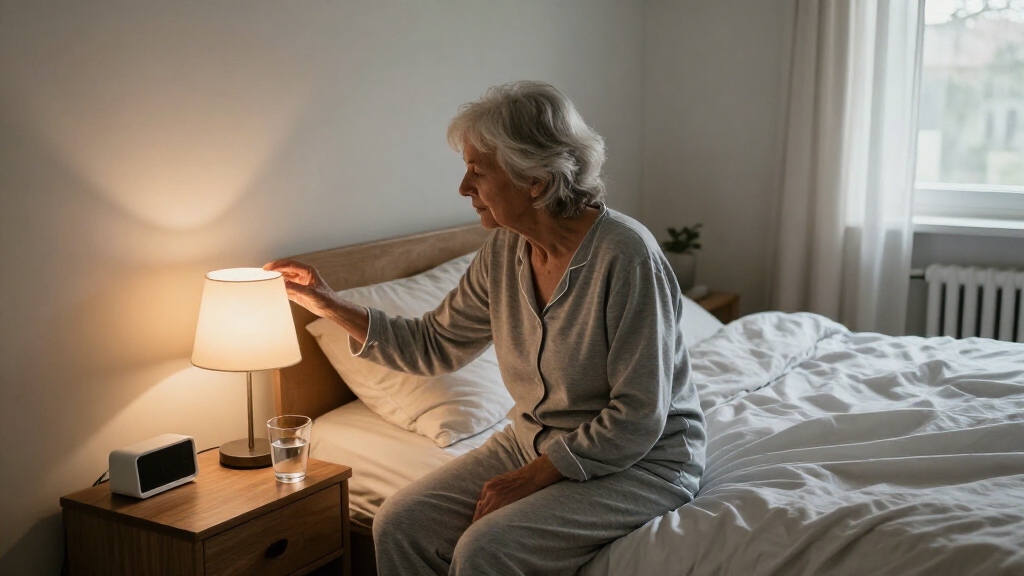
The final two points are to make the bedroom as dark as possible and to cool the body before bed. Patrick suggests limiting phone, television and laptop use in the bedroom, and says avoiding late meals, exercise or work may help with cooling. A quick shower is another option he mentions. He also discusses temperature-regulating sleep technology, but says it is not necessary to follow the behavioral checklist.
Five Habits That Shape Sleep
The recommendations focus on routines and environmental cues that readers can review without purchasing a device: sleep opportunity, regular timing, light exposure and bedroom conditions. That makes the checklist a practical starting point for thinking about common habits that may affect rest.
Its limits matter too. Fit&Well’s report is based on Patrick’s advice and does not describe a clinical trial, compare outcomes or establish that these steps treat insomnia or other sleep disorders. Patrick’s view that people who follow the habits generally sleep better is an expert opinion, not a guarantee for individuals. Persistent or severe sleep problems may have causes that a checklist cannot address; readers with ongoing concerns can consult a qualified health professional.
Products Worth Considering

Philips Hue Bridge Pro Smart Lighting Hub

Blueair Blue Pure 511i Max Air Purifier for Home and Bedroom

Philips Hue Large Smart Light Tube, Black – White and Color Ambiance LED Color-Changing Light – 1 Pack
As an affiliate, we earn on qualifying purchases.
Patrick gave the recommendations while speaking at an Eight Sleep event marking the launch of Pod 6, a smart mattress cover described in the report as tracking health metrics such as heart rate and adjusting temperature. Patrick advocates for the product, so the event setting is relevant when interpreting his comments about sleep technology.
However, he told Fit&Well that technology is not required to work on sleep habits. The article identifies Patrick as a physiologist and wellbeing expert with an Exercise Sciences degree from Birmingham University and experience in health and wellbeing roles. It does not provide independent evidence assessing the five-point checklist or the device’s effectiveness.
“Everything is now anti-sleep. The modern world—from light to temperature, to noise and stimulus—has made it the most difficult time in lived history to sleep well.”
— Oli Patrick, speaking to Fit&Well
Evidence and Individual Results
The report does not say when it was published, provide study data or explain how Patrick’s checklist was evaluated. It is also unclear how much any one habit might affect sleep, or how the advice would apply to people with different health conditions, schedules or sleep disorders. Patrick’s claims about seven hours and the effects of light and timing are attributed to him in the source; the article does not independently assess them.
There is no reported follow-up showing whether readers who use the checklist sleep better. The source also does not compare the Pod 6 with other products or establish that a temperature-adjusting mattress cover improves health outcomes.
Track Habits Before Seeking Help
The report gives no scheduled follow-up, study or additional announcement. Readers who want to try Patrick’s suggestions can track sleep and wake times, morning light exposure and evening routines, while keeping in mind that individual results may vary. If sleep problems continue or interfere with daily life, consulting a qualified health professional is a more appropriate next step than assuming a checklist or device will solve them.
Key Questions
What are Patrick’s five sleep recommendations?
He recommends allowing seven hours for sleep, keeping regular bed and wake times, getting 10 to 15 minutes of light within an hour of waking, making the bedroom dark and cooling the body before bed.
Does the checklist require a smart mattress cover?
No. Patrick discussed the advice at an event for Eight Sleep’s Pod 6, but told Fit&Well that people can work on their sleep habits without technology. The report does not establish that the device is necessary or that it produces better sleep.
What does Patrick suggest if sleep remains poor?
He suggests avoiding caffeine after lunch and alcohol, and trying practices such as journaling, breathwork or yoga to calm the mind. These are his recommendations, not a substitute for professional assessment when sleep problems persist.
Is the checklist proven to treat insomnia?
The source does not report a clinical trial or say the checklist treats insomnia. It presents Patrick’s expert advice, and individual outcomes are not established.
Source: rss