
TL;DR

Turn quiet afternoons into listening time
- Thousands of audiobooks, podcasts and originals
- Listen on your phone, tablet or Echo — also offline
- Cancel anytime
A Sixty and Me report says biological aging is influenced by more than chronological age and describes exercise, sleep, nutritious food and social connection as habits associated with healthier aging. The report draws on research and expert commentary, but does not establish that these steps can reverse aging or guarantee a particular health outcome.
Sixty and Me has published a report on habits that may support healthier aging after 60, including regular physical activity, consistent sleep, minimally processed foods and staying socially connected. The report distinguishes chronological age from biological measures of how the body functions, while stressing that lifestyle choices are only part of aging and do not promise a specific result.
The report describes chronological age as the number of years a person has lived and biological age as an estimate of how well the body is functioning, a topic explored in factors that speed up aging. It says genetics matter, while lifestyle and environmental exposures may also influence aging. The source attributes to Harvard Medical School genetics professor David Sinclair an estimate that genes may account for up to half of the rate at which people age. The report does not provide the underlying research details for that estimate.
Among established lifestyle concerns it lists smoking, excessive sun exposure, chronic stress, poor sleep, inactivity and excess weight. It also discusses possible links between aging and factors such as air pollution, frequent alcohol use, disrupted sleep schedules and gut bacteria. These are presented as influences or associations, not as proof that any one exposure determines an individual’s aging process.
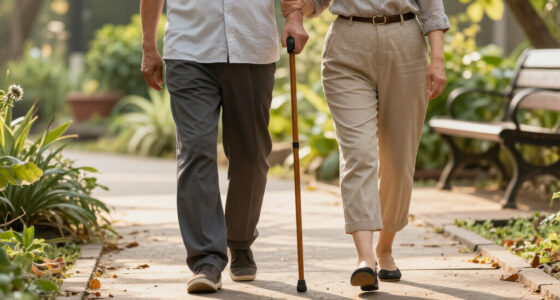
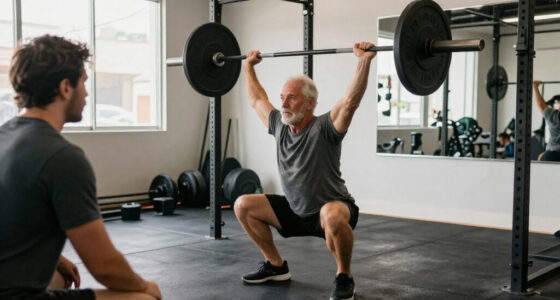
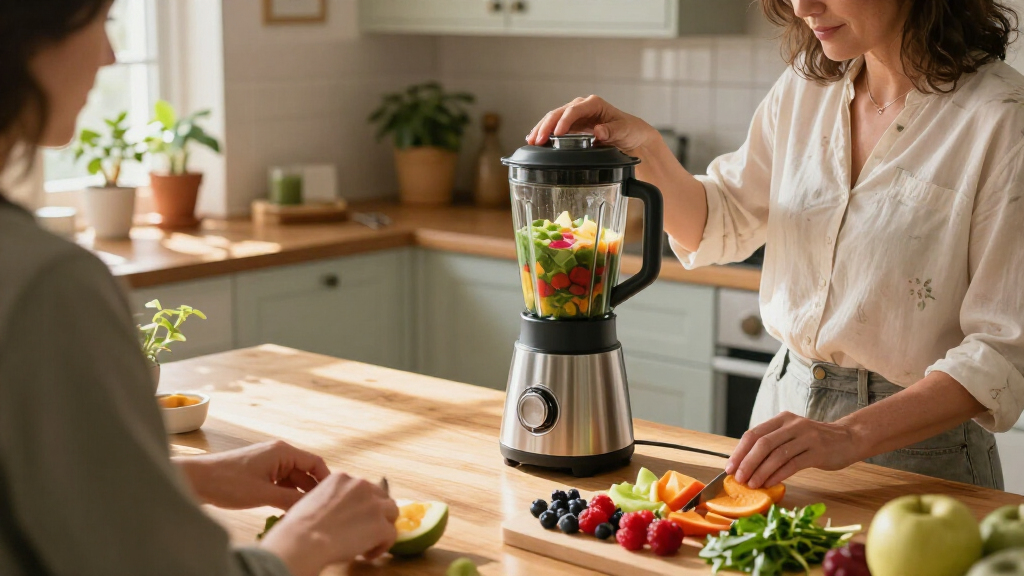
The practical suggestions are ordinary, sustainable habits: walking or doing other safe activity, including strength and stretching exercises, which may also support attention and memory after breast cancer; keeping a regular sleep schedule; eating more vegetables, fruit, beans, whole grains and nuts; and maintaining contact with friends, family and community. Exercise and attention and memory after breast cancer. The report also points to purpose and a positive outlook as factors associated with healthier aging, rather than treatments that can stop or reverse it.
Everyday Habits and Later-Life Health
The advice matters because it frames healthy aging as a set of behaviors that may be adjusted at different stages of life, rather than as a process determined entirely by birthdays or genes. Movement can help people avoid prolonged inactivity and maintain strength; nutritious food and adequate sleep are also relevant to general health. Social contact may support emotional well-being, while having meaningful activities can give structure to daily life.
However, the report is a lifestyle summary, not a clinical guideline or a controlled trial establishing that these specific actions extend life or reduce biological age. People’s health, abilities and circumstances differ. Readers should treat the suggestions as general health information, not a guarantee or an individualized plan; anyone making decisions about exercise, diet or other health changes can consult a qualified health professional.
Products Worth Considering

Samsung 48-Inch S90H OLED 4K Smart TV (2026)

Samsung 42-Inch Class OLED S90F 4K Smart TV (2025)

Bose TV Speaker (2nd Gen) Compact Soundbar with Bluetooth and HDMI
As an affiliate, we earn on qualifying purchases.
Age Is More Than a Birthday
The report’s central distinction is between years lived and measures intended to describe biological functioning. Biological age is not presented as a single, universally accepted number in the supplied material, and the report does not specify a test or method for measuring it. Its main point is that inherited traits are not the only factors associated with how bodies change over time.
It cites a Harvard study involving 726 middle-aged women, which it says found an association between greater anxiety about growing older and faster epigenetic aging. Epigenetic changes involve how genes are switched on or off. The report cautions that the finding does not mean occasional worry adds years to someone’s age. It also points to social isolation as a concern, but the source material gives no study design or effect size for that discussion.
“Genes may account for up to half of the rate at which we age.”
— David Sinclair, professor of genetics at Harvard Medical School, as quoted in the Sixty and Me report
Limits of the Evidence Cited
The source material does not give a publication date for the report or full citations for several claims. It does not provide the methods, age range beyond the description of participants as middle-aged women, or results of the cited study on aging anxiety. The strength and limits of the reported associations therefore cannot be evaluated from the supplied account alone.
It is also unclear how the recommendations would affect any one person’s health or biological-age measurement. The report does not claim that diet, exercise, sleep or social activity can reverse aging, and it does not set out a medical program for people over 60. Individual conditions, mobility, medications and access to care can shape what is appropriate.
Building Habits at Any Age
The report offers no announced policy, clinical trial or scheduled follow-up; its next step for readers is practical rather than institutional. It encourages people to choose manageable habits they can repeat, such as a walk suited to their ability, a regular bedtime, a meal built around minimally processed foods or a call to someone they care about.
Readers seeking to act on the suggestions can discuss changes with a qualified health professional, particularly where existing health conditions or physical limitations are involved. The report leaves open a broader question: which habits have the strongest evidence for specific health outcomes, and for whom? Its summary does not answer that, so claims should remain measured.
Key Questions
What does biological age mean?
Biological age refers to measures intended to describe how the body is functioning, in contrast with chronological age, which counts years lived. The report does not specify one test or universal measurement.
Can lifestyle changes stop or reverse aging?
The report does not say they can. It describes habits associated with healthier aging, but offers no guarantee that they will reverse aging or produce a particular biological-age result.
Which habits does the report recommend?
It recommends regular activity appropriate to a person’s ability, consistent sleep, a diet centered on minimally processed foods, social connection and maintaining a sense of purpose.
Does worrying about aging make someone age faster?
The report cites a study that found an association between greater aging anxiety and faster epigenetic aging among 726 middle-aged women. It cautions that this does not mean occasional worry adds years to a person’s age.
Should people over 60 consult a health professional before changing routines?
People with health conditions, mobility concerns or other individual needs can consult a qualified health professional before making significant changes to exercise, diet or sleep routines.
Source: rss