
TL;DR

Turn quiet afternoons into listening time
- Thousands of audiobooks, podcasts and originals
- Listen on your phone, tablet or Echo — also offline
- Cancel anytime
Certified personal trainer Francesco Zen says shifting weight toward the outer edges of the feet and pushing the knees outward helped him engage his glutes during the overhead squat. The Fit&Well report also advises building mobility and stability with bodyweight, dowel and easier squat variations before trying the movement with a barbell.
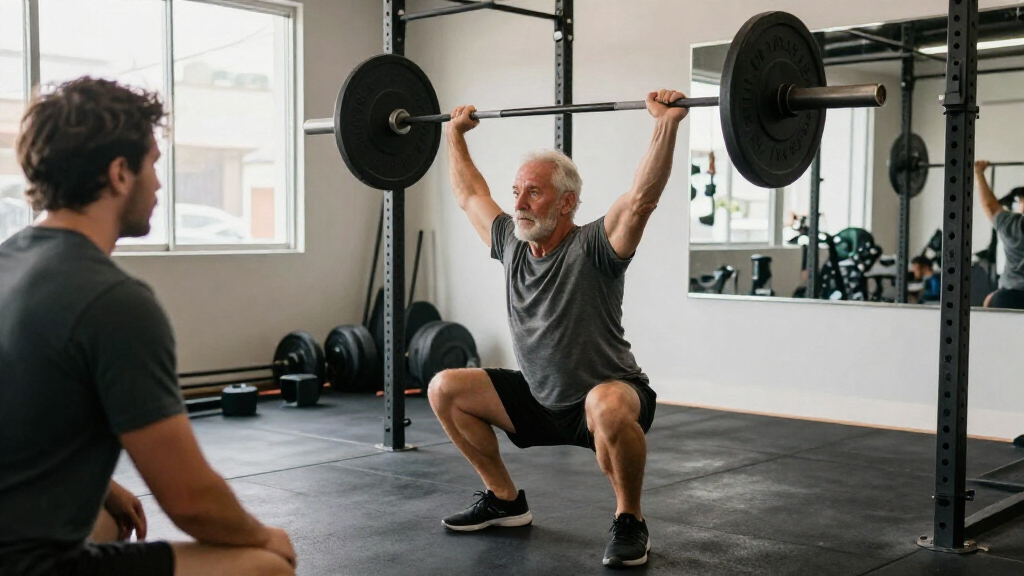
Certified personal trainer Francesco Zen says a small adjustment to foot pressure and knee position helped him improve his overhead squat: shift weight toward the outer edges of the feet and push the knees outward while lowering. Fit&Well reported the cue as part of advice on building toward the demanding full-body exercise, which involves squatting while holding a pipe or barbell overhead.
Zen, founder of ZLIFE, told Fit&Well that the overhead squat depends on mobility, core activation and flexibility, as well as stability through the legs and torso. He said the glutes support the movement throughout its range. His suggested adjustment is to direct pressure toward the outside of the feet and keep the knees moving outward as the lifter descends.
“A simple variation on the traditional angle [of your position] changes the whole thing,” Zen said. He described this as a cue that helped him change how he engaged his glutes. The report does not present it as a guarantee of improved performance for every lifter; it also says regular practice is needed to build the mobility and stability the exercise requires.
Fit&Well recommends learning the movement in stages. Beginners can start with a bodyweight squat while reaching overhead, then practice with a dowel, plastic pipe or broom to work on shoulder and spinal alignment. Zen also recommends the Frankenstein squat, in which the arms extend forward at shoulder height, as an easier way to practice related balance and movement demands. The article advises using an exercise stick or plastic pipe before attempting the overhead squat with a barbell.
A Cue for Safer Skill Building
The overhead squat asks a lifter to maintain a stable load overhead while moving through a squat, combining shoulder and spinal positioning with lower-body control. Zen’s cue gives readers a practical technique detail to try during unloaded practice: keep pressure toward the outer feet and guide the knees outward rather than letting them collapse inward.
The progression described in the report also matters because the movement can be difficult to control before a person has the necessary range of motion and stability. Starting with bodyweight or a light practice implement lets someone focus on alignment without the added demand of a loaded barbell. Zen’s advice is a trainer’s coaching guidance, not a clinical assessment or evidence that one cue works for everyone. People who are new to the movement can seek instruction from a qualified exercise professional, particularly before adding weight.
Products Worth Considering

Ring Floodlight Cam 2K Wired Security Camera, 3-Pack, Black

Samsung 48-Inch S90H OLED 4K Smart TV (2026)

Dreame H15 Pro Wet-Dry Vacuum and Mop
As an affiliate, we earn on qualifying purchases.
From Bodyweight to Barbell
Fit&Well’s report grew out of a series asking certified personal trainers about exercises they once found difficult and the cues that helped them improve. Zen identified the overhead squat as a move where glute engagement and stability were important to his own technique.
The article lays out a sequence rather than recommending that beginners start with a loaded bar. It first points to mobility in the ankles, hips, spine and shoulders, then suggests bodyweight practice with the arms raised. A wall-assisted squat and reach or a wall-facing squat with raised arms are offered as ways to work on the position. A dowel or similar object can then help rehearse the overhead alignment before a lifter progresses to a barbell.
The Frankenstein squat is another intermediate option described by Zen. With the arms held forward instead of overhead, he says, the position is easier to stabilize while still challenging the core, glutes and mobility. The source supplies technique instructions but does not report a study, injury data or testing that compares these progressions.
““The glutes support the whole movement, top to bottom.””
— Francesco Zen, as quoted by Fit&Well
Limits of the Technique Advice
The report does not specify how long Zen practiced the cue, how much it changed his performance, or whether it was assessed using formal testing. It also provides no comparative evidence showing that the foot-pressure adjustment is more effective than other coaching cues. The advice is presented as Zen’s personal experience and coaching recommendation.
The source does not set out how readers should judge whether they have enough mobility or stability to progress, nor does it give individual modifications for pain, injury or other limitations. It recommends mastering the movement with a stick or pipe before using a barbell and suggests working with an exercise professional or spotter for the advanced version. The supplied material does not report any new research or changes to established exercise guidance.
Practice Before Adding Load
The next step described in the report is continued practice through the progressions: begin with a bodyweight squat and overhead reach, rehearse alignment with a dowel or pipe, and use the Frankenstein squat to work on stability before attempting a full overhead squat. The technique instructions then move to a pipe or bar held overhead, with the knees tracking over the feet and the spine kept upright.
Readers who choose to try the movement should keep the load progression gradual and seek guidance from a qualified trainer if they are unsure about their form. Fit&Well’s report does not announce a follow-up test or a new training program; it offers a cue and a set of preparatory steps rather than a timetable for mastering the lift.
Key Questions
What squat cue did Francesco Zen recommend?
Zen said to shift weight toward the outer edges of the feet and push the knees outward while lowering. He said the cue helped him engage his glutes during the overhead squat.
What is an overhead squat?
It is a squat performed while holding a pipe or barbell overhead, with the arms extended and the load kept above the shoulders. Fit&Well describes it as an advanced variation requiring mobility and stability.
How does the report suggest beginners prepare?
The report suggests starting with a bodyweight squat and raised arms, then practicing overhead alignment with a dowel, plastic pipe or broom. It also describes the Frankenstein squat as an easier stability progression.
Should beginners start with a barbell?
No. The report says to master the overhead squat with an exercise stick or plastic pipe before attempting it with a barbell. It also suggests working with an exercise professional or spotter where possible.
Source: rss