
TL;DR

Turn quiet afternoons into listening time
- Thousands of audiobooks, podcasts and originals
- Listen on your phone, tablet or Echo — also offline
- Cancel anytime
Amanda Lim, a trainer and CEO of metabolic health center liftCLINIC, outlined a weekly routine that combines strength training, cardio, walking, yoga and postpartum core rehabilitation. She advises separating body weight from an assessment of health and tracking other measures, such as lifting progress and muscle mass.
Trainer and liftCLINIC CEO Amanda Lim has shared a weekly exercise schedule built around strength training, cardio, walking, yoga and core rehabilitation, alongside advice not to treat scale weight as a stand-alone assessment of health. The 43-year-old, who has worked as a trainer for more than 20 years, describes the routine in an interview with Fit&Well as a practical mix of activities rather than a complicated program.
Lim’s example week includes two focused strength sessions early in the week: legs on Monday and upper body on Tuesday. Wednesday is set aside for postpartum core rehabilitation, followed by a walk for active recovery on Thursday. On Friday, she schedules running intervals in the morning and yoga in the evening. The weekend includes a power-focused workout on Saturday and a zone two run on Sunday.
She says she also gets plenty of steps and includes pelvic floor and deep-core work in her routine. Her youngest child is two and a half, and she told Fit&Well that postpartum rehabilitation remains part of her long-term fitness approach. Lim said mothers may focus on these areas soon after giving birth but not continue to treat them as part of ongoing fitness.
Lim’s five suggestions for building consistency are to use measures of progress beyond body weight, value the early stages of learning exercise, try new physical skills, begin with walking and practise self-compassion. She says she monitors her own progress by tracking the weights she lifts and her muscle mass. Her advice is presented as her personal approach, not as an individualized exercise plan for every reader.
Progress Beyond the Scale
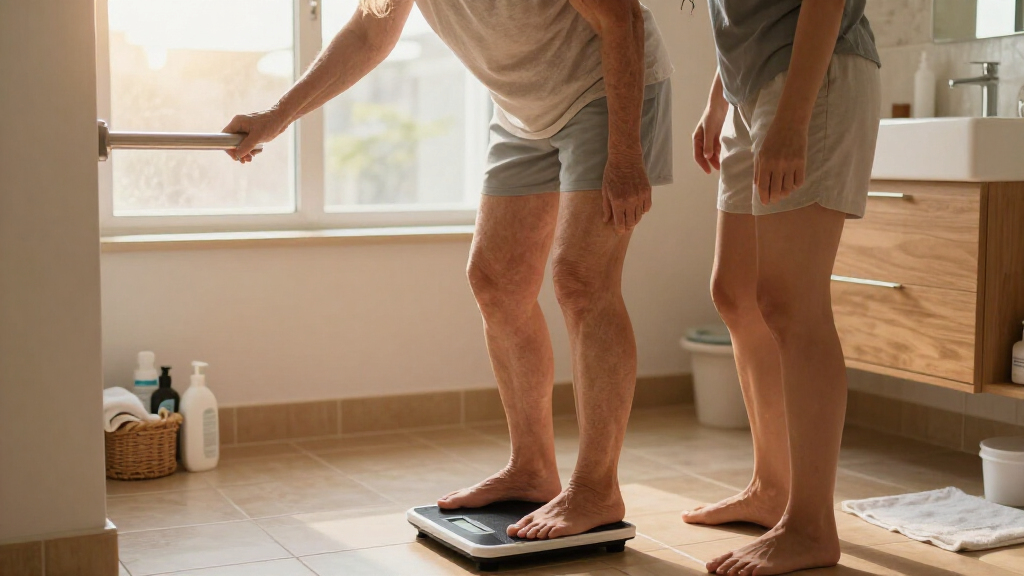
Lim’s advice addresses a common way people judge fitness progress: changes in body weight. She argues that weight and health do not necessarily move in parallel and recommends using other indicators, including strength gains and muscle mass. The report does not present clinical evidence establishing how any one measure should be used; the point is Lim’s guidance for how she evaluates her own training.
Her routine also shows how she combines different types of movement across a week, rather than relying on a single workout style. Strength work, running, walking and recovery activities each appear in the schedule. For readers trying to build a habit, her suggestion to start with a short walk offers a modest first step, though individual needs and abilities differ.
The emphasis on core and pelvic floor rehabilitation reflects Lim’s experience as a mother and trainer. She says those areas can remain relevant beyond the period immediately after childbirth and as people approach perimenopause. The source does not offer medical guidance about postpartum recovery or perimenopause, so readers with health concerns should seek advice from a qualified professional.
Products Worth Considering

eufy Security eufyCam C37 4-Camera Kit with 360° Pan and Tilt

Levoit Core 400S-P Smart Air Purifier for Large Rooms

Samsung 48-Inch S90H OLED 4K Smart TV (2026)
As an affiliate, we earn on qualifying purchases.
A Routine Built Across the Week
Fit&Well presents Lim as a trainer of more than 20 years and the CEO of liftCLINIC, a metabolic health center focused on longevity. She describes her own routine as a balance of functional strength training, zone two cardio and steps, while the published schedule adds intervals, yoga, power training and rehabilitation work.
The routine is an example of one person’s week, not a prescribed template. Its sessions are set at specific times—ranging from an 8:30 a.m. strength workout to an evening yoga class—but Lim’s wider message is about establishing repeatable activity. She also encourages beginners to try new skills, such as a cartwheel or handstand, and says early training can bring noticeable muscle-development gains. Those statements are her explanations and are not accompanied in the report by study citations.
Lim connects consistency to the broader pillars of lifestyle medicine, which she describes as nutrition, sleep, physical activity, stress management, social connection and limiting exposure to harmful substances. She proposes self-compassion as an additional pillar, saying people need to forgive themselves when they fall short of their goals and find ways to continue.
““We have to separate the number on the scale—the weight of our bodies—from the assessment of our health, because those two things don’t typically track beautifully together.””
— Amanda Lim, speaking to Fit&Well
Limits of the Published Advice
Fit&Well’s report describes Lim’s personal routine and recommendations; it does not provide a clinical study, a formal assessment of her health, or evidence that the schedule is appropriate for everyone. The source also does not specify the duration or intensity of most sessions, the measures or methods used to track muscle mass, or how Lim adapts the routine when her needs change.
It is also unclear from the report whether Lim’s comments about postpartum recovery and perimenopause are based on her personal experience, clinical practice, or research. Her advice should not be read as a diagnosis or treatment recommendation. People with injuries, medical conditions, or concerns about postpartum recovery can consult a qualified health professional about suitable activity.
Applying the Routine to Daily Life
The report does not announce a new program or a future milestone for Lim. The practical next step it describes is for readers to choose an attainable form of movement, such as a short walk, and build consistency around their own circumstances. Lim suggests tracking progress through measures such as lifting performance or muscle mass rather than relying solely on the scale.
Her published schedule remains an example, not a forecast of what she or liftCLINIC will do next. Fit&Well’s report does not identify planned follow-up research, a public challenge or further announcements from Lim.
Key Questions
Who is Amanda Lim?
Amanda Lim is a trainer with more than 20 years of experience and the CEO of liftCLINIC, which Fit&Well describes as a metabolic health center focused on longevity.
What does Lim’s weekly routine include?
Her example week includes leg and upper-body strength workouts, postpartum core rehabilitation, walking, running intervals, yoga, power training and a zone two run. The report does not provide full session lengths or training prescriptions.
Why does Lim recommend looking beyond scale weight?
Lim says body weight and health do not necessarily track closely together. She says she monitors her own progress through lifting performance and muscle mass; the report presents this as her approach, not a universal clinical standard.
What does Lim suggest for someone new to exercise?
She recommends starting with walking, even for five minutes, and building from there. People with health concerns or limitations should ask a qualified professional what activity is appropriate for them.
Is Lim’s routine intended for everyone to follow?
No. The article shares one trainer’s personal weekly schedule and does not establish it as a plan suitable for every fitness level, health condition or stage of recovery.
Source: rss