TL;DR
Get ready for Prime Big Deal Days — try Prime free
Exclusive member deals on October 6–7, plus fast free delivery. Cancel anytime.
Start your free trialAs an affiliate, we earn on qualifying purchases.
A grab-and-go emergency bag is a compact kit designed for quick evacuation, containing essentials like water, medications, and important documents. Building it thoughtfully ensures you’re ready for unexpected crises without overpacking or missing key items.
Choose a lightweight, comfortable backpack with multiple compartments for organizing supplies.
Prioritize water, medications, important documents, and warmth—these are your core needs during evacuation.
Regularly review and update your kit every six months to keep items fresh and relevant.
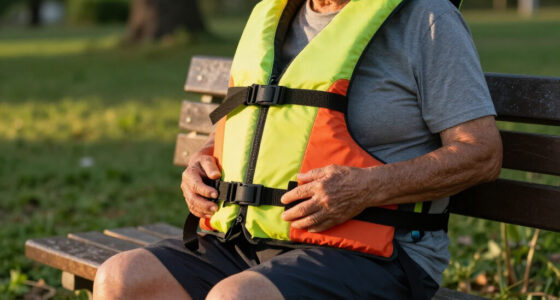
Tailor your kit to local risks and individual needs, including special supplies for children, older adults, and pets.
Practice quick-pack routines and familiarize everyone with the kit’s organization for faster response during stress.
Emergency Preparedness / Guide
How to Build a Grab-and-Go Emergency Bag
A grab-and-go bag is a compact kit built for quick evacuation—water, medications, documents, and warmth, organized for seconds-count departures. This guide shows you how to pack light, pack smart, and stay ready for 72 hours of independence.
The average evacuation takes just 15 minutes. A pre-packed, easily accessible kit is your safety margin when every second counts.
Know Exactly What to Pack
Think of your bag as a compact support system, not a mini home. Enough supplies to stay safe for 72 hours—never so much that it becomes a burden to carry. Tailor every category to your local risks, climate, and household needs.
💧 Water & Food
- Drinking water within a manageable weight limit
- Treatment tablets or compact filter as backup
- Shelf-stable, ready-to-eat food
- Snacks for allergies, diets, and children
- Collapsible bottle or cup
🩹 Health & First Aid
- Prescription medications plus copies of scripts
- Basic first-aid kit
- Spare glasses, hearing-aid batteries
- Respirator masks for smoke or dust
- Hygiene, menstrual, and sanitation supplies
📻 Communication & Power
- Charged power bank and cables
- Battery or hand-crank radio
- Headlamp (leaves both hands free)
- Whistle to attract attention
- Printed contacts and paper map
📄 Documents & Money
- ID, insurance, proof of address
- Medical details and contacts
- Pet vaccination records
- Recent household photos
- Small-denomination cash in waterproof pouch
🧥 Clothing & Shelter
- Weather-appropriate change of clothes
- Sturdy shoes and warm layer
- Waterproof poncho, avoid cotton in cold
- Emergency blanket and work gloves
- Hat, sun protection, compact towel
🔧 Useful Tools
- Multipurpose tool and duct tape
- Paracord and permanent marker
- Notepad and local spare keys
- Resealable and rubbish bags
- Eye protection; shutoff wrench if trained
Right Size, Right Type
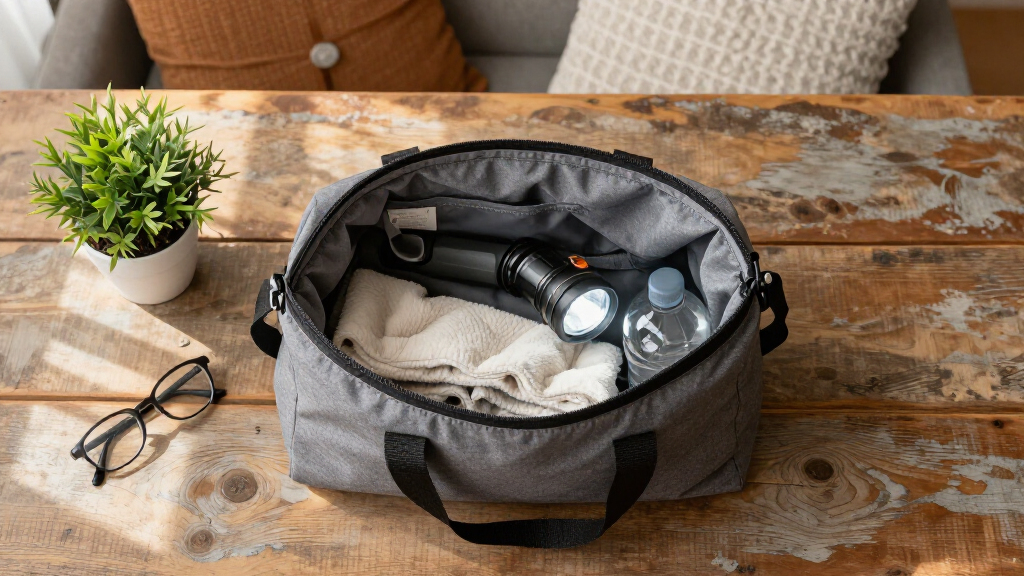
Balance capacity against portability. A 30-liter backpack typically holds 72 hours of supplies for one person while keeping your hands free to navigate hazards or assist others. Waterproof exterior, padded straps, and a ventilated back matter as much as liters.
| Feature | Small Daypack | 40L Hiking Backpack ★ | Compact Duffel |
|---|---|---|---|
| Capacity | 10–15 liters | 30–40 liters | 20–30 liters |
| Portability | ✓ High, easy to carry | ~ Moderate, more weight | ✓ High, flexible carry |
| Organization | ✗ Limited compartments | ✓ Multiple compartments | ~ Simple, open space |
| 72-hr fit | ✗ Too small for full kit | ✓ Ideal for one adult | ~ Tight, hard to carry far |
Top 5 Essentials You Can’t Skip
Pack in this order. Even if your bag isn’t perfect, these five keep you safe, connected, and warm no matter what happens.
Water
One liter per person per day minimum. Collapsible containers save space; dehydration impairs judgment fast.
Medications
Prescriptions, backup supplies, and copies. Without them, chronic conditions can complicate evacuation.
Communication
Power bank, battery radio, whistle. Your link to rescue when networks and power fail.
Documents
ID, insurance, medical info, photos—in a waterproof pouch. Streamlines rescue and recovery.
Warmth
Thermal blanket, poncho, sturdy shoes. Prevents hypothermia in sudden weather changes.
Water Is Heavy: Why You Can’t Carry It All
Water weighs about one kilogram per liter, so an evacuation bag cannot hold a complete multi-day supply. Carry a modest amount and plan to source the rest at home, in your vehicle, or at your destination via tablets or filters.
Keep It Ready, Every Six Months
A stale kit is a false sense of security. Review your bag twice a year and after every use—replace expired items, update documents, rotate batteries, check clothing sizes, and test every piece of equipment.
Rotate
Swap expired medications, food, and batteries. Verify water containers are sealed and intact.
Update
Refresh documents, contacts, prescriptions, and photos. Adjust for growing kids and changing needs.
Test
Check flashlights, radios, and power banks. Make sure everyone can use every tool under stress.
Practice
Run a 15-minute quick-departure drill. Everyone should know where the bag lives and how it’s organized.
Frequently Asked Questions
How big should a go bag be?
Small enough to carry comfortably—around 30 liters is ideal for most adults, balancing capacity with portability so you can evacuate quickly without feeling weighed down.
How many days should it cover?
Most experts recommend at least 72 hours—three days—of supplies. That gives you time to reach help while authorities respond and assistance arrives.
Does every family member need a bag?
Yes. Individual bags prevent overloading one person. Dependents’ supplies can be distributed among adults, but each person should carry a manageable kit.
How much water should I pack?
About one liter per person per day. Since water is heavy, carry a manageable amount and plan to source more via treatment tablets or filters.
Where should I store the bag?
Near your main exit, in a dry, accessible spot protected from extreme temperatures and pests—reachable even if the power goes out.
What about pets and special needs?
Customize every bag for children, older adults, disabilities, medical devices, allergies, and pets—including vaccination records and compact pet food.
Know Exactly What to Pack in Your Emergency Bag
The first step in building your grab-and-go kit is understanding what essentials truly matter. Think of your bag as a compact support system, not a mini home. You need enough supplies to keep you safe and comfortable for at least 72 hours, but not so much that it becomes a burden to carry.
For example, if you live in a wildfire-prone area, your priorities might shift toward respiratory protection and eye masks. If floods are common, waterproof clothing and sturdy boots take precedence. The key is to tailor your kit to your local risks and personal needs, including medical conditions, age, and climate.
Here’s a core packing list to get you started:
Understanding why each item matters helps you make informed choices. For instance, carrying extra batteries ensures your communication devices stay powered when you need them most, but adding too many can increase weight unnecessarily. Prioritizing multi-use items—like a thermal blanket that insulates, reflects heat, and can double as a ground cover—maximizes utility while minimizing bulk. Knowing the tradeoffs between weight, size, and functionality allows you to customize your kit effectively, ensuring you’re prepared without overburdening yourself.
As an affiliate, we earn on qualifying purchases.
How to Choose the Right Size and Type of Bag
Picking the right bag is about balancing capacity and portability. A bag that’s too small won’t fit everything you need and could leave you unprepared, while one that’s too large might be too heavy or cumbersome to carry quickly. The goal is a lightweight, durable backpack that distributes weight evenly and leaves your hands free to navigate hazards or assist others.
For instance, a high-quality 30-liter backpack typically holds enough supplies for one person for 72 hours without becoming a burden. But beyond capacity, consider the implications of material and design. A waterproof exterior protects your supplies from rain or flooding, which is crucial in many emergency scenarios. Padded straps and a ventilated back help prevent fatigue during prolonged carrying, which can be a critical factor if you need to travel long distances or hike through difficult terrain.
Compare options:
| Feature | Small Daypack | 40L Hiking Backpack | Compact Duffel |
|---|---|---|---|
| Capacity | 10-15 liters | 30-40 liters | 20-30 liters |
| Portability | High, easy to carry | Moderate, more weight | High, flexible carry |
| Organization | Limited compartments | Multiple compartments | Simple, open space |
Remember: comfort and ease of access matter more than capacity. Testing your bag by packing it with actual supplies and walking around helps you gauge whether it’s manageable and fits your physical capabilities. A well-chosen bag minimizes the risk of injury, fatigue, or delay during an actual emergency, and understanding the implications of your choice helps you balance preparedness with practicality.
As an affiliate, we earn on qualifying purchases.
What to Pack First: Top 5 Essentials You Can’t Skip
In a rush, certain items are absolute must-haves. These are the core essentials that keep you safe, connected, and warm, no matter what happens. Prioritizing these items ensures that even if your bag isn’t perfectly packed, you have the critical tools to survive and seek help.
Here are the top five:
- Water: About one liter per person per day at minimum. Consider compact bottles or collapsible containers. Water is vital for hydration, and dehydration can impair your decision-making and physical ability in an emergency.
- Medications: Prescriptions, backup supplies, and copies of prescriptions. They are your lifeline, especially for managing chronic conditions. Without medication, your health could deteriorate rapidly, complicating evacuation efforts.
- Communication tools: Fully charged power bank, a battery-powered radio, and a whistle to attract attention. These tools are your links to the outside world and can be lifesavers if you need rescue or assistance.
- Important documents: ID, insurance, medical info, and recent photos, stored in a waterproof pouch. Having quick access to these can streamline rescue or recovery efforts and prevent identity or legal issues.
- Warm clothing and shelter: A thermal blanket, rain poncho, and sturdy shoes, ready for sudden weather changes. Proper clothing helps prevent hypothermia, and shelter items keep you protected from the elements, which is crucial in unpredictable conditions.
For example, during a wildfire evacuation, prioritizing water and masks over bulky items ensures you can breathe safely and stay hydrated. Recognizing why each item matters and understanding the potential tradeoffs—such as weight versus necessity—allows you to craft a kit that’s both comprehensive and manageable. This strategic selection supports your safety and resilience, especially in high-stress situations where every second counts.
compact survival kit for disasters
As an affiliate, we earn on qualifying purchases.
As an affiliate, we earn on qualifying purchases.
Frequently Asked Questions
How big should a go bag be?
A good go bag should be small enough to carry comfortably—around 30 liters is ideal for most adults. It needs to balance capacity and portability, so you can evacuate quickly without feeling weighed down.
How many days should it cover?
Most experts recommend planning for at least 72 hours—three days—of supplies. This gives you enough time to reach help or a safe location while authorities respond and assistance arrives.
Does every family member need a separate bag?
Yes. Individual bags prevent overloading a single person and ensure everyone has access to essentials. Dependents’ supplies can be distributed among responsible adults, but each person should have their own manageable kit.
How much water should I pack?
Aim for about one liter per person per day. Since water is heavy, carry a manageable amount and plan to source additional water at your destination or via treatment methods like tablets or filters.
Where should I store the bag?
Keep it near your main exit, in a dry, accessible spot protected from extreme temperatures and pests. It should be reachable even if power goes out or part of your home becomes inaccessible.
As an affiliate, we earn on qualifying purchases.
Conclusion
A grab-and-go emergency bag isn’t just a box of supplies—it’s your safety net for the chaos of unexpected crises. When you pack with purpose and keep it ready, you gain the confidence that you can leave quickly and still stay protected. Imagine the peace of mind that comes from knowing you’re truly prepared—because in emergencies, seconds really do matter.NFL season / tailgating Picks
team gear
As an affiliate, we earn on qualifying purchases.