
TL;DR
Listen free for 30 days with Audible
Thousands of audiobooks and originals — cancel anytime.
Start your free trialAs an affiliate, we earn on qualifying purchases.
Home wellness devices can reveal daily health trends and support healthier habits, but their readings are best used for pattern recognition. They are not diagnostic tools and require proper technique. Choose validated, user-friendly devices to truly benefit your well-being.
Imagine a gentle glow in your bedroom or a quiet beep from your living room that keeps tabs on your health without disrupting your daily rhythm. These are the promises of home wellness devices—tools that quietly gather clues about your hearing, vision, and overall health. But how do you choose what’s worth your time, and what might just add clutter or confusion?
In this guide, you’ll learn which devices genuinely support your aging-in-place goals, how they work, and what to watch out for. Because when it comes to health tracking, clarity and reliability matter more than the latest gadget craze.
Use validated devices for accurate, reliable health data.
Focus on tracking specific metrics—weight, blood pressure, oxygen saturation—for meaningful trends.
Passive sensors reduce user error and encourage consistent monitoring.
Prioritize privacy and understand how your data is stored and shared.
Share clear, trend-based summaries with your healthcare provider for better insights.
Home Devices That Track Daily Wellness
A quiet beep, a bedside sensor or a morning weigh-in can reveal meaningful changes in daily health. The value is not in collecting more data—it is in choosing validated devices, measuring consistently and recognizing trends worth discussing with a professional.
Consumers may misunderstand data from unvalidated devices.
Weight, blood pressure and oxygen saturation offer concrete trends.
Patterns over time usually matter more than a single reading.
Persistent abnormalities and serious symptoms need medical guidance.
Measure the real, not the vague
Concrete measurements have defined units and can be compared under consistent conditions. Algorithmic scores may be useful prompts, but “stress,” “readiness” and “biological age” often hide assumptions that do not fit every person.
Weight
Most dependable scale output. Compare measurements taken at a similar time, on the same surface and under similar conditions.
Blood pressure
A validated upper-arm cuff can reveal persistent patterns when cuff size, posture, rest and repeated readings are correct.
Oxygen saturation
Pulse oximeters estimate oxygen and pulse. Movement, circulation, nail coverings, device quality and pigmentation-related performance differences can affect results.
Temperature
Smart thermometers simplify logging across household profiles, but technique and measurement location must remain consistent.
Sleep timing
Trackers are generally better at showing duration, timing and interruptions than identifying exact sleep stages or diagnosing disorders.
Readiness scores
Proprietary summaries can encourage reflection, but they should not outrank symptoms, repeatable measurements or professional advice.
The repeat rule: if a reading looks surprising, pause, check technique and measure again. A repeatable trend is more informative than an isolated spike.
What each device can really tell you
A polished app does not guarantee an accurate sensor. Prefer independent validation, appropriate regulatory clearance for medical claims and evidence involving people similar to the intended user.
| Device category | Best-supported use | Trend value | Technique sensitivity | Diagnostic alone? |
|---|---|---|---|---|
| Smart scale | Weight change | ✓ High | ~ Moderate | ✗ No |
| Upper-arm BP cuff | Blood-pressure pattern | ✓ High | ✓ High | ✗ No |
| Pulse oximeter | Oxygen and pulse estimate | ~ Contextual | ✓ High | ✗ No |
| Sleep tracker | Duration and timing | ✓ Useful | ~ Moderate | ✗ No |
| Home ECG | Single-lead rhythm screening | ~ Screening | ✓ High | ✗ No |
| Environmental monitor | Air-quality patterns | ~ Variable | ~ Placement | ✗ No |
| Passive home sensor | Activity or sleep change | ~ Emerging | ✓ Low effort | ✗ No |
Less effort, more consistency
Under-mattress pads, smart beds and room sensors can collect information without a daily ritual. They reduce forgotten measurements and technique errors, while creating a longer view of subtle change.
What passive sensors may notice
Changes in sleep timing, nighttime movement, breathing patterns, room activity or daily routine may appear before a person recognizes a meaningful shift.
Emerging does not mean proven
Smart mirrors, toilets, bathroom sensors and advanced beds promise effortless insights into heart rate, breathing, posture, urine and other signals. Many remain expensive, experimental or supported by limited independent evidence.
Use passive data as an early-warning conversation starter. It may identify change, but it cannot establish the cause of that change.
From measurement to meaningful action
The safest workflow preserves context at every step. Record how the measurement was taken, look for persistence and share a concise summary instead of reacting to every alert.
Measure
Use the same device, position, time window and technique whenever possible.
Repeat
Check an unexpected result correctly before drawing a conclusion.
Recognize
Look for direction, frequency and persistence across days or weeks.
Share
Bring a clear trend summary, symptoms and relevant context to a clinician.
The goal is not perfect certainty at home. It is enough reliable context to know when a habit adjustment, repeat measurement or professional conversation makes sense.
Watch sensory change early
Gradual hearing and vision changes are easy to overlook. Validated home checks can create a useful baseline and reveal shifts, but formal assessment is needed to understand the cause and select treatment.
Listen for shifting thresholds
Validated apps and calibrated devices may test hearing thresholds or identify frequencies that have become harder to hear.
- Test in a quiet, repeatable environment.
- Use compatible, consistently positioned headphones.
- Track changes over months, not momentary scores.
- Share persistent shifts with an audiologist or ENT specialist.
Notice clarity and field changes
Home tools may help monitor visual acuity, contrast, clarity or peripheral-vision changes between professional examinations.
- Keep distance, lighting and screen settings consistent.
- Test each eye according to the tool’s instructions.
- Do not treat an app as a glaucoma or retinal exam.
- Seek prompt care for sudden loss, distortion, flashes or new floaters.
Five habits that make devices useful
Choose for a defined purpose, not novelty. A simple device that fits naturally into daily life is more valuable than an elaborate platform that creates friction, anxiety or unreadable data.
Validate
Look for independent testing and suitable regulatory clearance when medical claims are made.
Focus
Select a device for a specific goal such as weight, blood pressure, oxygen or sleep timing.
Simplify
Prefer low-friction routines or passive monitoring when they improve consistency.
Protect
Review data storage, sharing, account security, deletion options and household privacy.
Communicate
Share concise trend summaries with a healthcare provider instead of raw streams of alerts.
Never change medication or treatment solely because of a consumer-device reading. Extreme results, persistent abnormalities or serious symptoms warrant professional medical guidance—not more app analysis.
Frequently asked questions
A practical first purchase is the device that answers a real health question, has credible validation and can be used correctly without disrupting daily life.
Are home wellness devices accurate?
Some measurements, including weight and properly taken blood pressure, can be dependable. Estimates such as body composition, stress and sleep stages carry more uncertainty and require context.
Which device should I buy first?
Start with your primary goal. For blood-pressure management, consider a validated upper-arm cuff. For general routine awareness, a simple activity or sleep tracker may be sufficient.
What should I do with an unusual reading?
Check positioning and technique, then repeat the measurement. If the result remains abnormal—or symptoms are present—contact an appropriate healthcare professional.
What privacy details matter?
Check what is collected, where it is stored, whether it is sold or shared, who can access it, how accounts are secured and whether records can be exported or deleted.
Why Your Home Devices Should Focus on Real, Not Vague, Health Signals
Home wellness devices shine brightest when they measure specific, meaningful metrics—things you can see, feel, or compare day to day. For example, a smart scale that tracks your weight and body fat over weeks can reveal trends you might miss otherwise. Recognizing these patterns helps you understand how lifestyle changes, medication, or aging affect your health over time, enabling proactive adjustments.
In contrast, estimates like ‘stress level’ or ‘biological age’ often rely on complex algorithms and can be wildly inaccurate for individual use. They may give a false sense of understanding or cause unnecessary worry if misinterpreted. According to A Daily Zone, relying on validated measurements like blood pressure or oxygen saturation provides clearer, more actionable insight into your health. These metrics are directly linked to clinical outcomes and can help detect issues early, sometimes before symptoms appear, which is crucial for timely intervention.
Think of it like a car’s dashboard: you want accurate fuel gauges and speedometers, not vague ‘performance scores.’ Choosing devices that measure concrete, clinically relevant signals allows you to make informed decisions and avoid false alarms. It also helps prevent the frustration and confusion that can come from overinterpreting unreliable data, ensuring your efforts are focused on meaningful health management.
Furthermore, understanding the implications of these signals helps you prioritize which data to monitor. For example, tracking blood pressure regularly can alert you to hypertension, a silent condition that often shows no symptoms but can lead to serious health issues if untreated. Recognizing these patterns enables you to seek medical advice before a crisis occurs. Conversely, overemphasizing unreliable metrics might lead to unnecessary anxiety or false alarms, diverting attention from more important health concerns.

OMRON Iron Blood Pressure Monitor & Upper Arm Blood Pressure Cuff
- Advanced Accuracy Technology: Ensures precise blood pressure readings
- Irregular Heartbeat Detection: Identifies heartbeat irregularities during measurement
- One-Touch Operation: Quick and easy blood pressure monitoring
As an affiliate, we earn on qualifying purchases.
As an affiliate, we earn on qualifying purchases.
How Passive Monitoring Devices Make Wellness Tracking Easier
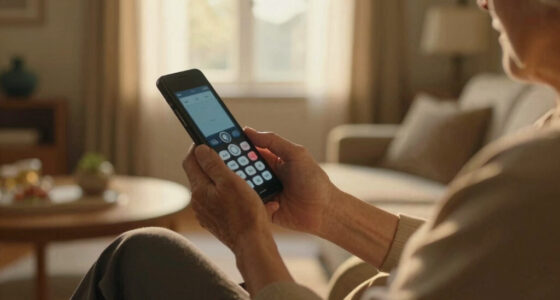
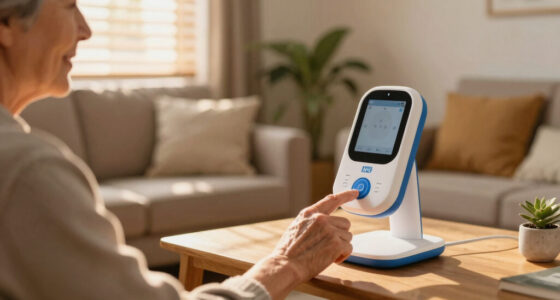
Passive monitors are the high-tech equivalent of having a health assistant in your home. They reduce user error and increase consistency because they don’t require active participation. Sensors embedded in beds, bathrooms, or rooms collect data quietly and continuously, providing a more comprehensive picture of your health trends over time. For example, a smart bed that tracks your breathing, heart rate, and movements all night can reveal subtle changes in sleep quality or respiratory health that might go unnoticed during routine checkups.
This continuous, unobtrusive approach means you’re less likely to forget measurements or perform them incorrectly, which improves data reliability. Moreover, passive sensors can detect early signs of health issues—like irregular breathing patterns or decreased activity levels—before symptoms become severe. This early detection is vital because it allows for prompt medical intervention, which can prevent complications or hospitalizations down the line. For instance, noticing a gradual decline in sleep quality or irregular heart rhythms over weeks might prompt you to consult your healthcare provider, potentially catching conditions like sleep apnea or arrhythmias early.
However, it’s important to understand that passive monitoring isn’t a substitute for professional diagnosis. It’s a tool to support your awareness and prompt timely conversations with healthcare providers, especially when subtle changes are detected over time. The data provided by these devices should be viewed as an early warning system, helping you and your doctor make informed decisions before issues escalate, rather than definitive diagnoses on their own.

Wellue O2Ring Pulse Oximter, Bluetooth SPO2 Blood Oxygen Saturation Monitor – Wearable O2 Ring Sensor with Vibration Reminder, Free APP & PC Report, Rechargeable
- Comfortable Soft Ring Sensor: Lightweight, durable, fits most fingers
- Detailed App & PC Reports: Provides graphics, trends, and unlimited report sharing
- Unusual Data Marking: Highlights abnormal SpO2 and heart rate readings
As an affiliate, we earn on qualifying purchases.
As an affiliate, we earn on qualifying purchases.
Choosing the Best Home Devices for Hearing and Vision Checks
Hearing and vision are often overlooked until they become noticeable problems, yet early detection can significantly improve quality of life. Today, simple, validated devices can help you monitor changes over time, providing valuable clues about your sensory health. For hearing, there are apps and devices that measure sound levels or test hearing thresholds at home. These tools can help you identify if your hearing is deteriorating or if certain frequencies are harder to hear, which can be early signs of hearing loss. Recognizing these changes early allows for timely professional assessment and intervention, which can preserve your hearing health longer.
For vision, affordable handheld devices and smartphone apps can assess visual acuity or monitor for changes in clarity, contrast, or peripheral vision. Regular use can help detect early signs of conditions like glaucoma or age-related macular degeneration. The key is to use tools validated for accuracy and to share findings with your healthcare provider, who can interpret the data in context. This proactive approach helps you catch issues early, rather than waiting until vision problems interfere with daily activities.
For example, a family member might use a smartphone app to test their hearing in different environments and notice if thresholds shift over months. Such insights can prompt a visit to an audiologist or ENT specialist, potentially catching issues before they worsen. The goal is to empower you with accessible, reliable tools that support early detection and ongoing management of sensory health.
Choosing validated devices is crucial because inaccurate tools can lead to false reassurance or unnecessary worry. For instance, an uncalibrated hearing test app might suggest normal hearing when there’s actually a decline, delaying treatment. Conversely, a well-validated device will provide data that, when interpreted correctly, can lead to timely medical attention. Always share your findings with a healthcare professional, as they can help interpret subtle changes and recommend next steps.
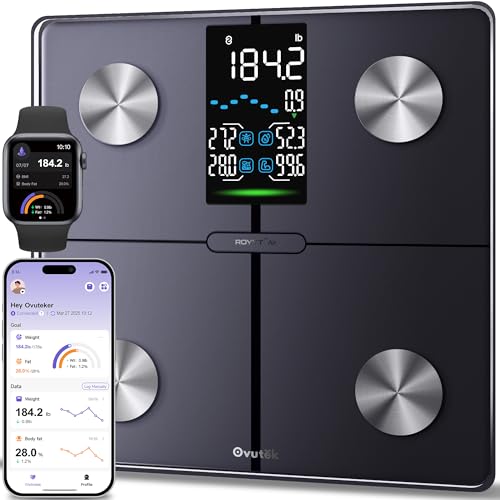
Ovutek Smart Digital Scale for Body Weight, Body Fat and BMI, FSA Eligible
- Health Metrics Monitoring: Tracks 14 key health metrics via app
- App Compatibility: Syncs with Apple Health, Google Fit, Fitbit
- Large Color Display: 5-inch LED screen with clear readings
As an affiliate, we earn on qualifying purchases.
As an affiliate, we earn on qualifying purchases.
Frequently Asked Questions
Are home wellness devices accurate?
Some measurements, like weight or oxygen saturation, can be quite accurate when used properly and validated. Others, like estimated stress levels or sleep stages, tend to have more uncertainty. Always interpret readings in context and consult professionals for concerns.
Which wellness device should I buy first?
Start with a device that matches your primary goal. For managing blood pressure, choose a validated upper-arm cuff. For general fitness, a simple activity or sleep tracker might be enough. Focus on reliability and ease of use.
Can a smartwatch detect a health problem before symptoms appear?
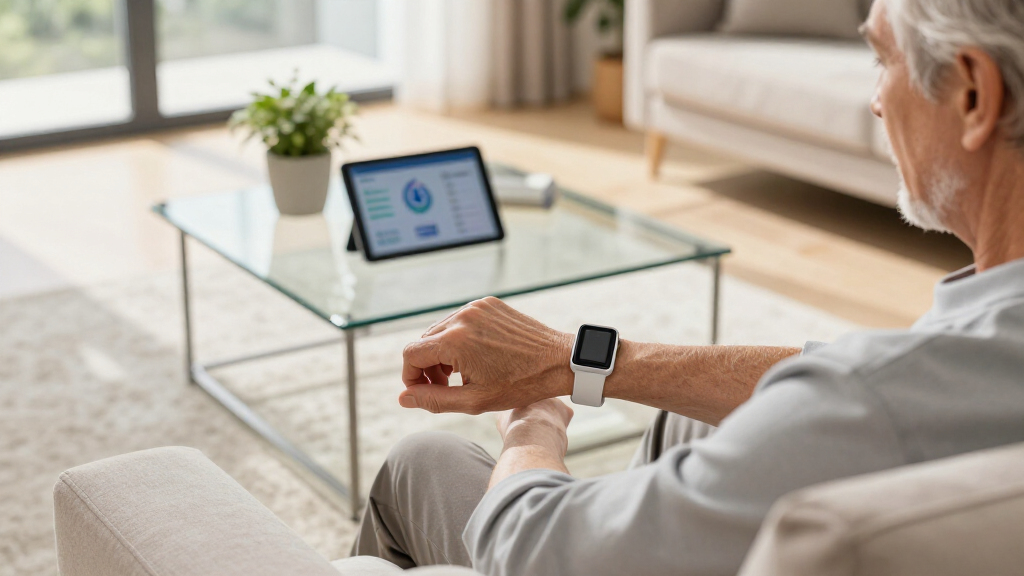
Smartwatches can pick up abnormal heart rhythms or sudden activity changes, which may signal issues. However, they are not diagnostic tools. Use them as alerts to seek further assessment if something unusual arises.
Can sleep trackers diagnose sleep apnea?
Most consumer sleep trackers cannot diagnose sleep apnea. They might spot breathing irregularities or oxygen drops, but a medical sleep test is necessary for diagnosis. Use them as a sign that a professional evaluation might be needed.
Are body-fat readings on smart scales trustworthy?
They are estimates based on bioelectrical impedance, which can be affected by hydration, meals, and other factors. Use them to observe broad trends rather than exact numbers, and stay consistent in your measurement routine.
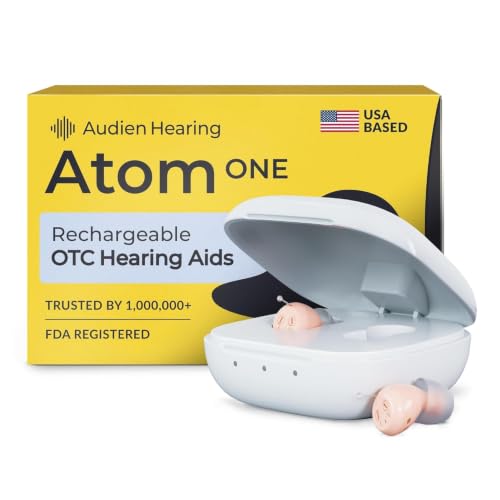
Audien Atom One OTC Hearing Aids
- FDA-Registered OTC Hearing Aid: No prescription or hearing test needed
- Simple Analog Dials: Adjust volume and frequency easily
- Rechargeable Battery: Lasts 24 hours on a single charge
As an affiliate, we earn on qualifying purchases.
As an affiliate, we earn on qualifying purchases.
Conclusion
Home wellness devices can be powerful allies in maintaining your independence and understanding your health. The key is choosing tools that measure what truly matters, used consistently and with care.
Remember, these devices support your awareness—never replace professional advice. Your daily habits, combined with good data, can help you stay confident and in control of your health journey.
College move-in / dorm season Picks
dorm essentials
As an affiliate, we earn on qualifying purchases.