![I Made Tinnitus My Friend, Then It Disappeared [Video]](https://adailyzone.com/wp-content/uploads/2026/08/i-made-tinnitus-my-friend-then-it-disappeared-video-featured.jpg)

TL;DR
Open a free Amazon Business account
Business pricing, bulk buying and tax-exempt orders.
Create a free accountAs an affiliate, we earn on qualifying purchases.
A man reports that he transformed his relationship with tinnitus, treating it as a friend, which he claims resulted in the condition disappearing. The story has gained attention through a video presentation, prompting discussions on psychological approaches to tinnitus management.
A man has shared a personal story claiming that he made tinnitus his friend, which he says led to the condition disappearing entirely. The account, shared through a video, has attracted attention from those interested in alternative approaches to tinnitus management. While anecdotal, this case highlights ongoing discussions about the psychological aspects of chronic conditions.
The individual, whose identity has not been publicly disclosed, posted a video explaining how he shifted his mental attitude toward tinnitus, a condition characterized by persistent ringing in the ears. He described intentionally reframing his perception, viewing tinnitus as a benign companion rather than an adversary. According to his account, after adopting this mindset, the ringing ceased completely, a claim that has not yet been independently verified.
Medical experts emphasize that tinnitus is a complex condition with diverse causes, often linked to hearing loss, ear injury, or neurological factors. Currently, conventional treatments focus on managing symptoms through sound therapy, medication, or cognitive behavioral therapy. The claim that mindset alone can eliminate tinnitus remains anecdotal and unproven in scientific studies.
Potential Impact on Tinnitus Management Approaches
This story matters because it raises questions about the role of psychological and emotional factors in managing chronic conditions like tinnitus. If confirmed through scientific research, such approaches could complement existing treatments and offer new avenues for relief. However, experts caution that individual experiences vary, and no single mental strategy has been established as a cure.
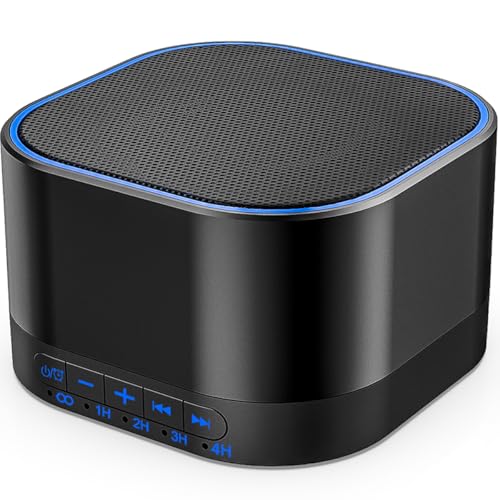
Magicteam Sound White Noise Machine with 20 Non Looping Natural Soothing Sounds and Memory Function 32 Levels of Volume Powered by AC or USB and Sleep Sound Timer Therapy for Baby Kids Adults
- 20 Non-Looping Soothing Sounds: Includes white, brown, pink, blue noise, and nature sounds
- Adjustable Volume & Timer: 32 volume levels and multiple timer options
- Portable & Compact Design: Small size for home, office, or travel
As an affiliate, we earn on qualifying purchases.
As an affiliate, we earn on qualifying purchases.
Limited Scientific Evidence Supports Mindset-Based Tinnitus Relief
Tinnitus affects millions worldwide, with no definitive cure. Current treatments aim to reduce the perception or impact of ringing through sound therapy, counseling, or medication. While psychological interventions like cognitive behavioral therapy have shown some success, the idea that changing one’s attitude alone can eliminate tinnitus is not supported by robust scientific evidence. Anecdotal reports, like the recent video, contribute to ongoing debates but require rigorous validation.
“While psychological approaches can help patients cope with tinnitus, there is no scientific evidence that changing one’s attitude alone can make the condition disappear.”
— Dr. Susan Lee, Audiologist

Cognitive Behavioral Therapy for Tinnitus
As an affiliate, we earn on qualifying purchases.
As an affiliate, we earn on qualifying purchases.
Unverified Nature of the Tinnitus Disappearance Claim
It remains unclear whether the individual’s experience can be generalized or replicated. Medical professionals emphasize that this is an anecdotal account, and there is no scientific data confirming that mindset alone can cure tinnitus. The claim has not been subjected to clinical testing or peer-reviewed research.

EarPopper Ear Pressure Relief Device Home Version
As an affiliate, we earn on qualifying purchases.
As an affiliate, we earn on qualifying purchases.
Need for Scientific Investigation of Mindset Effects on Tinnitus
Researchers may explore psychological interventions as adjuncts to conventional therapies, but rigorous studies are needed to assess whether mental reframing can influence tinnitus symptoms. Meanwhile, medical practitioners advise patients to consult healthcare providers for evidence-based treatments and view anecdotal stories as supplementary rather than definitive.
![Pink Noise (Deep Sleep Aid) [For Tinnitus, Insomnia, De-Stress, Massage, Meditation, Holistic Healing, Relaxation] [1 Hour]](https://m.media-amazon.com/images/I/51+aOtA1kPL._SL500_.jpg)
Pink Noise (Deep Sleep Aid) [For Tinnitus, Insomnia, De-Stress, Massage, Meditation, Holistic Healing, Relaxation] [1 Hour]
As an affiliate, we earn on qualifying purchases.
As an affiliate, we earn on qualifying purchases.
Key Questions
Can changing my attitude really make tinnitus disappear?
Currently, there is no scientific evidence that mindset alone can eliminate tinnitus. While some individuals report personal successes, these are anecdotal, and more research is needed to determine if psychological approaches can have a measurable effect.
What are the proven treatments for tinnitus?
Proven treatments include sound therapy, cognitive behavioral therapy, and medication to manage symptoms. Consulting a healthcare professional is recommended for personalized treatment options.
Is there any risk in trying mental approaches to tinnitus?
Psychological methods like reframing or mindfulness are generally safe and can help cope with tinnitus, but they should complement, not replace, medical advice or treatment.
Could this story lead to new research or treatments?
This personal account may inspire scientific studies into the psychological aspects of tinnitus, but it does not constitute evidence for a new treatment at this stage.
Source: hn
Summer Picks
summer essentials
As an affiliate, we earn on qualifying purchases.