TL;DR

Turn quiet afternoons into listening time
- Thousands of audiobooks, podcasts and originals
- Listen on your phone, tablet or Echo — also offline
- Cancel anytime
A homeowner shares tested techniques to convert a standard AC unit into a smart device without risking damage or violating lease agreements. The article details confirmed methods, potential risks, and next steps.
A homeowner has demonstrated how to add smart capabilities to a traditional, non-smart air conditioner without risking damage or losing their security deposit. This approach involves non-invasive modifications and specific device choices, making it accessible for renters and owners alike.
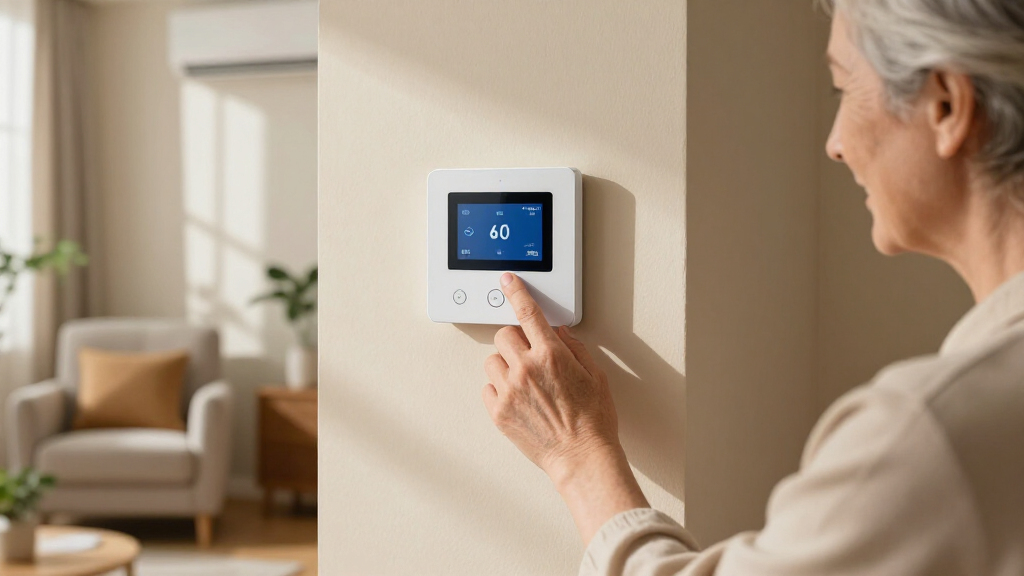
The method involves using external smart plugs and sensors that do not require opening or modifying the AC unit itself. The homeowner reports success in controlling the AC remotely and monitoring its operation through a smartphone app, all while maintaining the integrity of the original device.
Experts confirm that these methods are generally safe and reversible, provided users follow specific guidelines. The key is to avoid any physical alterations to the AC unit, which could violate lease agreements or cause damage. The homeowner emphasized that choosing the right smart plug — one that supports scheduling and remote control — is crucial for effective automation.
Why Upgrading Your AC Without Risks Matters
This development is significant because it offers a practical solution for renters and homeowners who want smart home features without risking their security deposit or damaging their appliances. As smart home adoption grows, many users face concerns about potential damage or lease violations. These methods provide a safe, inexpensive way to enjoy smart control, energy savings, and convenience.
Products Worth Considering

TCL T7 Series 85-Inch 4K 144Hz QLED Smart Google TV

Levoit Core 600S-P Smart Air Purifier for Large Rooms

Samsung 85-Inch QN70H Neo QLED 4K Smart TV (2026)
As an affiliate, we earn on qualifying purchases.
Background on Smart Home Upgrades for Renters
Many renters avoid upgrading appliances with smart features due to fears of damage or lease violations. Traditional methods often involve opening or modifying the device, which can lead to penalties or loss of deposits. Recently, there has been increased interest in non-invasive, external solutions such as smart plugs and sensors that can retrofit existing appliances without physical alterations.
The homeowner’s experience adds to a growing body of anecdotal evidence that such solutions are effective, affordable, and risk-free when used correctly. Industry experts advise caution and emphasize the importance of choosing compatible, non-invasive devices.
“By using a smart plug and some simple sensors, I was able to control and monitor my AC remotely without any modifications to the unit itself.”
— Homeowner
Uncertainties About Long-Term Effectiveness and Lease Compliance
While the homeowner reports success, it remains unclear how universally applicable these methods are across different AC models and lease agreements. There is also limited data on the long-term reliability of external sensors and smart plugs in controlling appliances that draw high power. Additionally, some landlords may still consider external modifications or device placements as violations, depending on lease terms.
Next Steps for Renters and Homeowners Interested in Smart ACs
Further testing across various AC models and environments is needed to establish best practices. Consumers should research compatible smart plugs and sensors, and review their lease agreements before attempting modifications. Industry groups may develop guidelines to standardize non-invasive upgrades, making it easier for renters to adopt smart home features safely.
Key Questions
Can I turn any dumb AC into a smart device without opening it?
Generally, yes. Using external smart plugs and sensors can add remote control and monitoring features without physical modifications.
Will this method void my lease or security deposit?
If no physical alterations are made to the AC unit, this approach is unlikely to violate lease terms. However, it’s best to review your lease or consult with your landlord.
Are there risks of damaging my AC or causing a fire?
Using reputable, compatible smart plugs and sensors, and following manufacturer instructions, minimizes risks. Avoid overloading devices and ensure proper installation.
How effective are external sensors for monitoring AC performance?
External sensors can track temperature and power usage effectively, providing useful data for automation and energy management, but may not capture all internal functions.
What should I do if my landlord objects to external devices?
Always review your lease agreement and communicate with your landlord. Many external devices are considered non-invasive and reversible, which may mitigate concerns.
Source: hn