
TL;DR
Proper lighting for aging eyes combines brightness with glare reduction. Modern LEDs, smart controls, and thoughtful design make spaces safer and more comfortable, helping seniors see better and avoid falls.
Imagine walking into a room where the light floods in evenly, illuminating every detail without a harsh glare. That’s the kind of lighting that can transform daily life for older adults. As eyes age, they become more sensitive to brightness and glare, making standard lighting feel uncomfortable or even dangerous.
In this guide, you’ll discover practical ways to brighten your space safely, using the latest technology and design tricks. Whether you’re caring for an aging parent or updating your own home, these insights will help you create a safer, more comfortable environment that preserves dignity and independence.
Use diffused LED lighting with a color temperature between 4000K and 5000K for bright, comfortable illumination.
Incorporate layered lighting—ambient, task, and accent—to reduce glare and shadows.
Smart controls make it easy to customize brightness and warmth, adapting lighting to needs throughout the day.
Avoid direct, harsh lighting that causes glare; opt for fixtures with diffusers or shades.
Regularly update your lighting to incorporate flicker-free, high CRI LEDs and anti-glare features for ongoing safety and comfort.
Bright, Glare-Free Lighting for Aging Eyes
Brightness alone is not enough. Aging eyes benefit from evenly distributed, flicker-free light that strengthens contrast without harsh reflections—making daily tasks safer, calmer, and more comfortable.
Vision changes. Lighting must change with it.
With age, the visual system needs more usable illumination to distinguish edges, navigate transitions, and complete detailed tasks. Direct glare and deep shadows can cancel out the benefit of added brightness.
Edges become harder to read
Low contrast can make steps, cutting boards, switches, and labels blend into their surroundings.
Reflections feel more intense
Bare bulbs, glossy counters, and direct beams may cause discomfort, headaches, or temporary visual impairment.
Dark adaptation slows
Moving between bright and dim areas becomes more difficult, raising risk near stairs, hallways, and bathrooms.
The glare-free specification
Modern LEDs can deliver strong illumination without flicker or excessive heat. The right bulb and fixture work together: one creates quality light; the other distributes it comfortably.
Aim for 4000K–5000K
This neutral-to-cool range can improve contrast and visibility. Adjustable controls help accommodate personal preference and time of day.
Which lighting offers the best control?
Incandescent bulbs offer familiar warmth but limited flexibility. Flicker-free LEDs improve consistency, while smart adjustable systems add automated control for changing activities and routines.
| Feature | Standard incandescent | Flicker-free LED | Smart adjustable light |
|---|---|---|---|
| Brightness control | ✗Limited | ✓Dimmable | ✓App, voice, or switch |
| Color temperature | ~Usually fixed | ✓4000K–5000K options | ✓Warm-to-cool tuning |
| Glare reduction | ✗Low without shading | ✓High with diffuser | ✓High with control |
| Flicker management | ~Generally stable | ✓Purpose-designed | ✓Available in quality systems |
| Energy efficiency | ✗Low | ✓High | ✓High plus automation |
| Initial simplicity | ✓Very simple | ✓Simple replacement | ~Setup required |
Best all-around upgrade: flicker-free, high-CRI LEDs in diffused fixtures. Add smart controls where changing needs justify the setup.
Layer light to erase shadows
Relying on one bright ceiling fixture often creates pools of glare and darkness. Three coordinated layers distribute illumination more evenly and put extra light exactly where it is needed.
Ambient
Broad, diffused ceiling or indirect light establishes even room-wide visibility.
Task
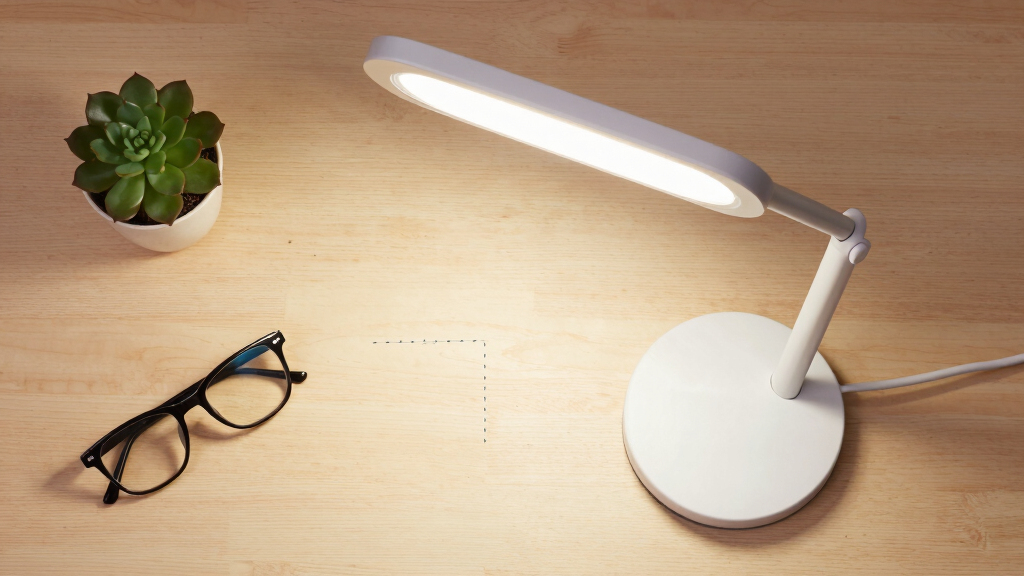
Adjustable lamps illuminate reading, cooking, grooming, medication, and hobbies.
Accent
Gentle wall, cabinet, or pathway light clarifies edges and supports orientation.
Smart light follows the day
Schedules, sensors, voice controls, and gradual transitions reduce the need to cross a dark room or face a sudden burst of overhead light.
Time or movement
A schedule or motion sensor recognizes when illumination is needed.
Brightness level
Light rises gradually instead of producing a disorienting flash.
Color temperature
Cooler task light shifts toward warmer, gentler evening illumination.
Safe movement
Clear pathways help preserve confidence, comfort, and independence.
Five upgrades with immediate impact
Start with stairs, entrances, kitchens, bathrooms, and bedside routes. These high-use areas benefit most from reliable, easy-to-control illumination.
The pathway from better light to greater independence
Why Aging Eyes Need Special Lighting That’s Bright and Glare-Free
As you age, your eyes undergo natural changes—less contrast sensitivity, increased glare sensitivity, and difficulty seeing in dim light. Bright, evenly distributed lighting can compensate for these shifts, making everyday tasks safer and easier.
For example, a senior preparing dinner might strain to see the edges of a cutting board or the labels on spice jars if the lighting is dull or flickering. Proper lighting reduces eye strain and prevents accidents, like slips or cuts.
Key aspects include avoiding harsh direct light that causes glare and opting for diffused, soft illumination that enhances contrast without discomfort.
Understanding these changes highlights why tailored lighting isn’t just a convenience but a necessity for safety and independence as eyes become more sensitive to glare and contrast loss. The tradeoff involves balancing sufficient illumination with glare reduction, which often requires choosing fixtures that diffuse light effectively, rather than overly bright, harsh sources that can worsen visual discomfort.
glare-free LED lighting for seniors
As an affiliate, we earn on qualifying purchases.
As an affiliate, we earn on qualifying purchases.
How to Choose the Right Bulbs and Fixtures for Glare-Free Brightness
- Use LED bulbs with high color rendering index (CRI)—they produce clear, natural light without flickering. High CRI ensures colors appear true, which is crucial for distinguishing objects and reading labels accurately, directly impacting safety.
- Select fixtures with diffusers or shades that soften light and prevent direct glare. This tradeoff may slightly reduce overall brightness but significantly enhances comfort and reduces eye strain.
- Opt for bulbs with a color temperature between 4000K and 5000K—this range enhances contrast without looking too harsh. Cooler temperatures improve visibility but can be uninviting if too high; balancing these factors is key to creating a welcoming, functional space.
- Avoid bulbs with flickering or inconsistent brightness, which can cause eye fatigue and headaches. Flicker-free technology is especially important for sensitive eyes, as flickering can be subtle but fatiguing over time.
For instance, a living room fitted with frosted LED fixtures provides bright, even light that’s gentle on aging eyes, allowing you to read, cook, or socialize comfortably without squinting or headaches. The tradeoff here involves selecting fixtures that diffuse light sufficiently without overly dimming the space, maintaining a balance between brightness and comfort.
dimmable diffuse LED ceiling lights
As an affiliate, we earn on qualifying purchases.
As an affiliate, we earn on qualifying purchases.
Compare Common Lighting Options for Safety and Comfort
| Feature | Standard Incandescent | Flicker-Free LED | Smart Adjustable Light |
|---|---|---|---|
| Brightness Control | Limited | Yes, dimmable | Yes, app-controlled |
| Color Temperature | Warm (2700K) or Cool (6500K) | Adjustable (4000-5000K) | Adjustable (warm to cool) |
| Glare Reduction | Low | High, with diffusers | High, with smart controls |
| Energy Efficiency | Low | High |
This comparison highlights how each lighting type impacts safety and comfort. Incandescent bulbs are less efficient and offer limited control, often leading to uneven lighting that can cause shadows or glare. Flicker-free LEDs with diffusers provide a more consistent and glare-free environment, crucial for sensitive eyes. Smart adjustable lights take this further by allowing dynamic control, enabling users to fine-tune brightness and warmth throughout the day—enhancing comfort and reducing visual fatigue. The tradeoff involves investing in smarter fixtures, which may cost more initially but offer significant benefits for long-term safety and ease of use.
smart adjustable lighting for aging eyes
As an affiliate, we earn on qualifying purchases.
As an affiliate, we earn on qualifying purchases.
How Smart Lighting Systems Make Life Easier for Aging Eyes
Smart lighting systems let you tune brightness and color temperature easily, often with a tap or voice command. Imagine waking up at night to a gentle, glare-free glow that guides your steps without startling you. This ability to adjust lighting dynamically is essential because it allows users to customize illumination based on activity or time of day, reducing the need for harsh overhead lights that can cause discomfort.
Some systems can adapt throughout the day—brighter and cooler in the morning to boost alertness, softer and warmer in the evening to prepare for sleep. This adaptive feature helps synchronize lighting with natural circadian rhythms, which can decline with age, affecting sleep quality and overall well-being.
This flexibility helps reduce eye strain and creates a safer, more comforting environment. For example, a caregiver can program lights to turn on gradually as an older adult gets out of bed, avoiding sudden bright flashes that could cause disorientation or discomfort. The tradeoff involves reliance on technology, which requires initial setup and some learning curve, but the benefits in safety and comfort are substantial.
As an affiliate, we earn on qualifying purchases.
Design Tips to Minimize Glare and Shadows at Home
- Layer your lighting—combine ambient, task, and accent lights for even coverage. Proper layering ensures that no single light source creates excessive contrast or glare, which can cause discomfort and shadowy areas that impair visibility.
- Use diffusers and frosted fixtures to soften direct light sources. This tradeoff involves slightly reducing maximum brightness but greatly increasing visual comfort and reducing glare, which is critical for sensitive eyes.
- Position lights to avoid shining directly into eyes or reflecting off shiny surfaces. Thoughtful placement helps prevent reflections and glare, which can be distracting or painful for aging eyes.
- Place brighter lights at eye level or slightly above to reduce shadows and improve contrast. This strategic positioning enhances depth perception and detail recognition, facilitating safer movement and task performance.
For example, installing a diffused ceiling fixture paired with adjustable reading lamps creates a balanced environment where everything is visible without glare or harsh shadows. The tradeoff involves balancing light levels to avoid over-illumination, which can also cause discomfort or reflections.
Recent Tech Developments That Make Lighting Safer and Smarter
LED innovation now offers flicker-free, high CRI bulbs that mimic natural daylight—reducing eye fatigue. Smart controls let you adjust the brightness and color temperature remotely or automatically based on time or activity. These advancements are crucial because flicker and poor color rendering can contribute to eye strain and fatigue, especially in older adults with sensitive eyes.
Emerging circadian lighting systems simulate natural daylight patterns, supporting sleep and wake cycles—crucial for older adults whose circadian rhythms often decline with age. Diffusing materials and anti-glare coatings on fixtures help create environments free of uncomfortable reflections, which can cause visual discomfort or glare. The tradeoff involves adopting new technologies, which might require initial investment and learning, but the benefits include safer, more comfortable living spaces that adapt to individual needs.
According to recent guidelines from the Illuminating Engineering Society, these advances are shaping standards for safer, more effective lighting for aging populations, emphasizing the importance of integrating technology with thoughtful design.
Frequently Asked Questions
How can I improve lighting in my home to better suit aging eyes?
Focus on layered lighting with diffused fixtures, use bulbs with high CRI and adjustable color temperature, and eliminate harsh direct lights. Smart lighting systems can help you adapt brightness and warmth easily for comfort.
What types of bulbs or fixtures are best for glare-free lighting?
Flicker-free LED bulbs with diffusers and high CRI ratings are ideal. Fixtures with shades or diffusers help soften light, reducing glare and reflection that can cause discomfort.
How does color temperature affect visibility and comfort?
Bulbs around 4000K to 5000K provide a balanced, natural light that enhances contrast and clarity without harshness. Adjusting color temperature allows customization based on activity and time of day.
Are smart lighting solutions suitable for seniors?
Yes, smart lighting offers easy control over brightness and warmth, often via apps or voice commands. They adapt well to individual preferences, improving safety and reducing strain.
What are best practices for designing a glare-free environment?
Use layered, diffused lighting, position fixtures to avoid reflections, and choose flicker-free LED bulbs with adjustable settings. Regularly update lighting to match changing needs and reduce eye fatigue.
Conclusion
Bright, glare-free lighting isn’t just about seeing better—it’s about feeling safer and more independent. Small adjustments, like switching to diffused LEDs and adding smart controls, can make a world of difference in everyday life.
Imagine walking into a room that welcomes your eyes with gentle, even light—no flicker, no glare, just clarity and comfort. That’s the power of thoughtful lighting, turning everyday spaces into safe havens for aging eyes.