
TL;DR
Prime for Young Adults — start your free trial
Fast free delivery, streaming and member deals for eligible 18–24 year olds.
Try it freeAs an affiliate, we earn on qualifying purchases.
Choosing an amplified phone involves considering amplification power, sound clarity, connectivity, and ease of use. Recent advances make these phones more customizable and user-friendly, helping you stay connected with confidence.
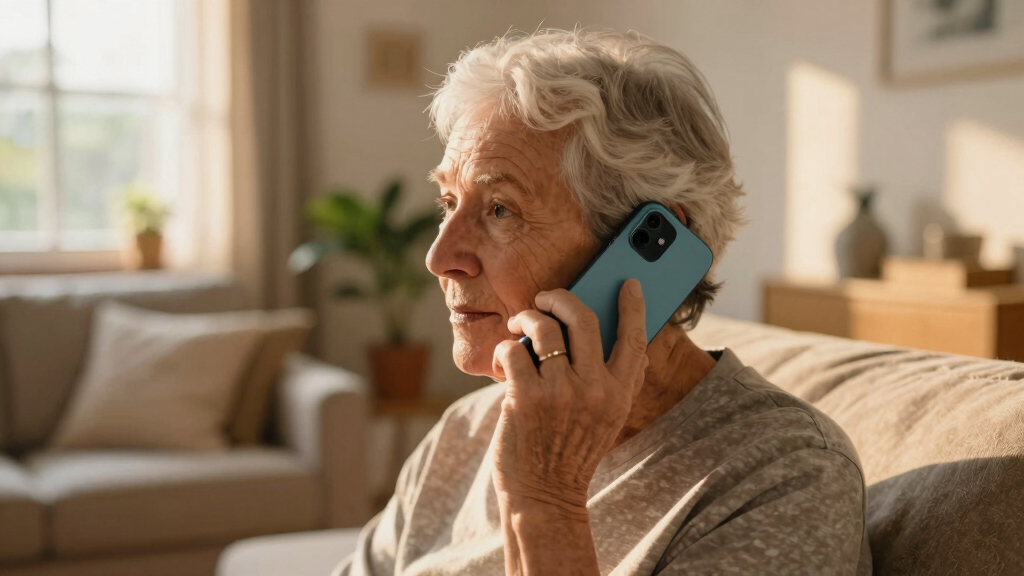
Imagine answering a call in a busy café — the clatter of dishes, background chatter, and your own heartbeat all competing with the voice on the line. It’s frustrating, right? Picking the right amplified phone can turn that chaos into clear, comfortable conversations. Whether you’re new to hearing aids or looking for an upgrade, understanding what to look for makes all the difference.
This guide walks you through the key features, recent tech improvements, and practical tips to find a device that’s simple to operate, reliable, and tailored to your hearing needs. Because everyone deserves to connect with ease — no matter how loud the world gets.
Match the amplification level of the phone to your specific hearing loss, ideally after a professional assessment.
Prioritize sound clarity features like noise reduction and feedback cancellation for better speech understanding.
Choose models with connectivity options such as Bluetooth or T-coil to enhance versatility and ease of use.
Opt for phones with large buttons, clear displays, and visual indicators, especially if dexterity or vision is a concern.
Be aware of assistance programs and standards that make these devices more accessible and affordable.
How to Pick an Amplified Phone That Fits Your Hearing Loss
The first step? Match the phone’s amplification power to your hearing loss. If you need a lot of volume, look for models with adjustable, high-level amplification. For milder losses, preset levels might do the trick. Think of it like choosing a volume knob — some phones let you dial it up or down easily, others have fixed settings.
For example, if you find yourself turning the volume to maximum but still struggle, a model with higher amplification — say, up to 50 decibels — could make a real difference. Visiting an audiologist for a hearing test helps you understand your exact needs and avoid over- or under-amplification.
As an affiliate, we earn on qualifying purchases.
Why Sound Quality and Clarity Matter More Than Just Volume
Hearing clearly is about more than loudness. Good sound quality means speech sounds crisp, background noise is reduced, and feedback is kept at bay. When sound quality is poor, conversations become strained, and you may mishear or miss important details, leading to frustration and social withdrawal. High-quality audio can restore confidence in communication, but it’s also about the subtlety of sound — the tone, pitch, and clarity that make speech natural and intelligible.
Many models now include noise reduction and feedback cancellation features. These digital tricks help you focus on the voice, even when the environment gets noisy. For example, a recent study found that noise suppression can improve speech understanding by up to 30% in noisy settings. This means fewer misunderstandings, less fatigue, and more enjoyable conversations, especially in challenging environments.
Bluetooth amplified phone with noise reduction
As an affiliate, we earn on qualifying purchases.
As an affiliate, we earn on qualifying purchases.
Connectivity Options That Make Life Easier
Choosing an amplified phone with good connectivity means fewer barriers. Phones with Bluetooth support enable streaming calls directly to hearing aids or wireless headsets, which can significantly improve sound clarity and reduce the need to hold the phone to your ear. T-coil compatibility lets you connect to hearing aids that have a telecoil switch, which can pick up sound directly from the phone’s magnetic field, reducing background noise and feedback. This direct connection often results in clearer, more natural sound and less strain during long conversations.
For instance, a cordless amplified phone with Bluetooth can sync seamlessly with your hearing aids, so you hear calls directly without holding the phone to your ear. This reduces strain and improves clarity — especially in long conversations or during hands-free calls. The tradeoff? Devices with advanced connectivity features tend to be more expensive and may require pairing or setup time, but the benefits in ease of use and sound quality often outweigh these considerations.
As an affiliate, we earn on qualifying purchases.
Ease of Use: Buttons, Displays, and Indicators Matter
If operating a phone feels like solving a puzzle, it’s time to prioritize simplicity. Large, tactile buttons help if you have dexterity issues, making it easier to dial or answer calls without fumbling. Bright, clear displays with big fonts make it easier to see caller ID, volume levels, or menu options, reducing frustration and errors.
Imagine a senior who struggles with small buttons — a model with oversized, rubberized keys and a high-contrast screen can turn frustration into confidence. Also, visual cues like flashing lights or color-coded buttons alert you to incoming calls or low battery, reducing missed connections. The tradeoff? Simpler devices may lack some advanced features, but they excel in reliability and ease of operation, which is crucial for many users.
As an affiliate, we earn on qualifying purchases.
New Features Making Amplified Phones Smarter and More Useful
Recent developments have made amplified phones more integrated with modern tech. Many support voice commands, so you can answer or redial with a simple voice prompt, which can be especially helpful for those with mobility or dexterity challenges. Visual ring indicators — flashing lights that alert you to incoming calls — ensure you don’t miss calls even if you’re not near the phone or if you’re hard of hearing.
Some models connect to captioning or relay services, making conversations smoother for those with severe hearing loss. For example, a phone with captioning support can display real-time text of what the caller says, helping you keep up even in noisy settings. These features improve accessibility but may also increase the cost or complexity of the device, so weighing the benefits against your comfort with technology is important.
What the Latest Standards and Assistance Programs Mean for You
Many amplified phones meet strict standards set by organizations like the FCC or TIA, guaranteeing accessibility features such as loud volume, clear sound, and compatibility with hearing aids. These standards ensure that devices are designed with user needs in mind, providing consistent performance and safety.
Additionally, government programs such as the FCC’s Lifeline can help subsidize costs, making these devices more affordable. These programs often have eligibility criteria based on income or age, and understanding them can significantly reduce financial barriers. By leveraging these resources, users can access high-quality technology that might otherwise be out of reach, ensuring everyone has the opportunity to stay connected without financial stress.
Matching Your Hearing Loss Level to the Right Amplification
Not all amplified phones are created equal. Some are designed for mild losses, others for profound hearing impairments. Checking the device’s maximum amplification — measured in decibels (dB) — and comparing it to your audiogram ensures you get a device that matches your specific needs. Choosing a device with too little amplification may result in insufficient volume, leading to frustration and missed conversations. Conversely, excessive amplification can cause discomfort or feedback, which can be damaging or distracting.
If you have a severe loss, look for models that provide at least 50 dB of amplification, but be aware that some very profound losses may require specialized equipment beyond standard amplified phones. Visiting an audiologist for a detailed assessment ensures you select a device that provides appropriate amplification without risking over- or under-performance, ultimately leading to better satisfaction and communication outcomes.
Top Questions About Amplified Phones — Answered!
How do I know what amplification level I need? A hearing test from an audiologist will give you a clear picture of your loss, guiding your choice. Understanding your audiogram allows you to select a device with a suitable maximum amplification, reducing trial-and-error and ensuring comfort and clarity from the start.
Can I connect my amplified phone to my hearing aids? Many models now support Bluetooth or T-coil, making this possible. This direct connection minimizes background noise and feedback, providing clearer sound and less hassle during calls. The tradeoff? Compatibility depends on your hearing aids and the phone’s features, so checking device specifications beforehand is advisable.
Are these phones covered by insurance? Sometimes, yes — check programs like the FCC’s Lifeline, or ask your provider about discounts. Understanding insurance coverage or assistance programs can significantly reduce out-of-pocket costs, making access to quality devices more feasible for many users.
What features help in noisy places? Noise reduction, feedback cancellation, and visual alerts can make conversations clearer. These features help filter out background sounds, focus on speech, and alert you to incoming calls, which is especially valuable in busy environments.
Are amplified phones easy to operate for people with dexterity issues? Look for large buttons, simple interfaces, and clear visual cues. Devices designed with accessibility in mind reduce frustration, increase independence, and improve overall satisfaction. The tradeoff? They may lack some advanced features but excel in usability, which is often more important for users with mobility challenges.
Frequently Asked Questions
How do I know which level of amplification I need?
A hearing assessment from an audiologist provides your exact loss level, guiding you to choose a phone with appropriate amplification strength to ensure clear conversations.Are amplified phones compatible with hearing aids?
Many are, especially those with T-coil compatibility or Bluetooth support, allowing direct connection to hearing aids for better sound clarity.Can I use an amplified phone with my smartphone?
Yes, numerous models now support Bluetooth pairing, letting you stream calls directly from your phone or use your smartphone’s features more easily.What features are most helpful in noisy environments?
Look for noise reduction, feedback cancellation, and visual alerts, which help you focus on speech and stay connected even in loud settings.Are amplified phones covered by insurance or government programs?
Often, yes. Check programs like the FCC’s Lifeline or local assistance initiatives — they can help reduce costs and make these devices more accessible.Conclusion
The right amplified phone can transform how you connect with loved ones, turning muffled conversations into clear, meaningful exchanges. Focus on features that match your hearing needs, and don’t hesitate to ask for help from professionals or programs available in your area. Your voice deserves to be heard — loud and clear, every time.
Imagine a world where the sounds of family, laughter, and life are never out of reach. That’s the power of choosing the right amplified phone — a simple step toward staying engaged, confident, and connected.
Fall yard work Picks
leaf blowers
As an affiliate, we earn on qualifying purchases.