TL;DR
Hearing amplifiers boost everyday sounds and are ideal for mild hearing difficulties. Focus on purpose, sound quality, comfort, and recent tech updates to find the best fit—professional advice is recommended for significant loss.
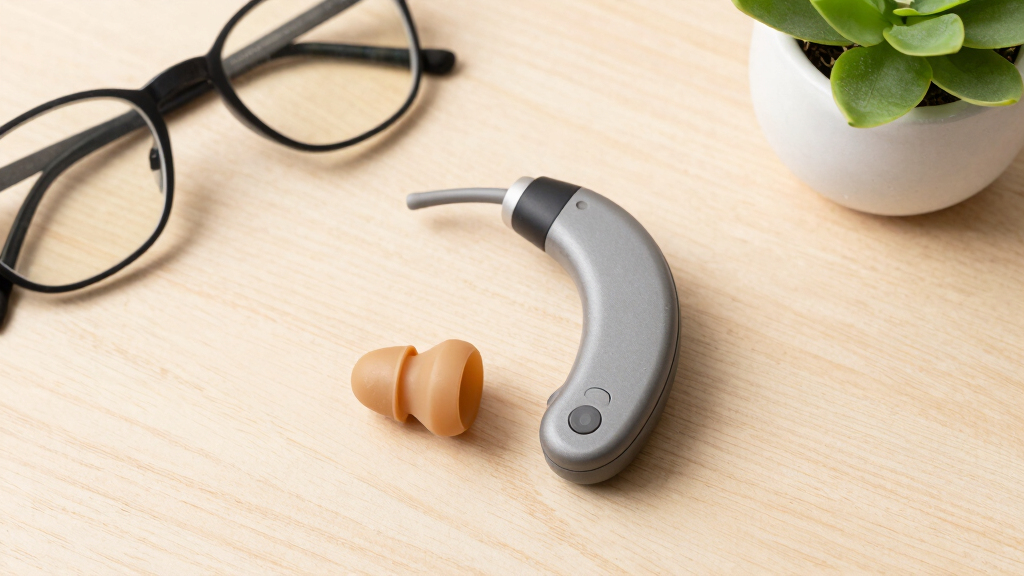
Hearing amplifiers, also known as personal sound amplification products (PSAPs), are devices designed to boost environmental sounds for those with mild to moderate hearing challenges or for enhancing everyday listening. Picking the right one isn’t about the flashiest features but understanding what truly makes a difference for your ears and lifestyle.
In this guide, you’ll learn what to look for—like sound clarity, comfort, and tech updates—plus practical tips to help you choose confidently. No jargon, just straightforward advice to make your hearing sharper and your listening moments richer.
Focus on your primary listening environment—whether it’s conversations, outdoor noise, or specific settings—when choosing a device.
Look for features like Bluetooth connectivity, noise reduction, and rechargeable batteries to get the most modern benefits.
Remember, OTC amplifiers suit mild to moderate hearing issues, but severe loss requires professional help.
Always consider comfort and ease of use—your device should fit naturally and be simple to adjust.
Regular maintenance extends the lifespan and keeps your device working well for years.
What matters most when picking a hearing amplifier? Here’s your checklist
Choosing a hearing amplifier starts with a clear understanding of your needs. Do you want to hear better during conversations? Or are you looking for an outdoor device that filters wind noise? Knowing your primary use guides your decision.
Next, focus on sound quality. Look for devices with crisp, natural sound and features like noise reduction. These features matter because they directly impact how well you can distinguish speech from background noise, which is often the biggest challenge for users. Comfort is equally key—consider style options like in-ear or behind-the-ear, and test how they feel after a few hours. Discomfort can discourage regular use, defeating the device’s purpose. Battery life matters too: rechargeable models mean less fuss and fewer disposable batteries, but they may have shorter daily use cycles depending on usage patterns. Conversely, replaceable batteries can last longer but require ongoing maintenance.
Finally, think about ease of use. Simple controls or smartphone apps can make adjustments smoother, especially if you’re not tech-savvy. Ease of access to controls reduces frustration and encourages consistent use. And don’t forget your budget—good devices range from around $50 to over $300, but beware of very cheap options that may lack durability or clarity. Investing in a slightly more expensive model often results in better sound quality and longevity, which are crucial for daily reliance.

SuperEar Model SE5000 (PSAP) for Seniors – Hearing Amplifiers for Seniors, Super Ear Personal Sound Amplifier, Sound Amplifier Listening Device and Audio Accessories in 50dB Ambient Sounds Increase
COMPATIBILITY: Response to sound amplification is completely dependent on an individual's unique ability to detect sounds. For this…
As an affiliate, we earn on qualifying purchases.
As an affiliate, we earn on qualifying purchases.
What’s new in hearing amplification? The latest tech breakthroughs
Hearing amplifiers are evolving fast. Today’s models often connect via Bluetooth to smartphones, enabling you to control volume and settings remotely. This connectivity allows for personalized adjustments in real-time, which is especially useful in dynamic environments like crowded restaurants or outdoor settings. Imagine walking into a noisy café and dialing down background noise with a tap—that’s now possible with recent devices, making listening more natural and less fatiguing.
Artificial intelligence also plays a transformative role. Some amplifiers utilize AI algorithms to filter out wind, chatter, or traffic noise, focusing on what you want to hear. This means less manual adjustment and more seamless listening experiences. Rechargeable batteries are a game-changer, lasting all day and eliminating the need for frequent battery swaps, which can be inconvenient and environmentally unfriendly. Their longer lifespan and ease of use make them attractive for daily wear.
Design-wise, smaller, more discreet models are popular. You can now find devices that tuck behind the ear or sit snugly in the canal, almost invisible. These designs are not just about aesthetics but also about comfort and discretion, encouraging more consistent use. Plus, recent regulatory changes in many regions have opened up over-the-counter (OTC) options, making simple, effective devices more accessible for those with mild to moderate hearing issues. This increased accessibility helps bridge the gap between affordability and quality, empowering more users to improve their hearing without a costly clinical visit.

AuyeeSnc OTC Hearing Aids for Seniors Rechargeable Hearing Amplifiers with Noise Cancelling for Mild to Moderate Hearing Loss, In Ear Nearly Invisible, Auto On/Off, Memory Functions, Portable Charging Case, LED Display Elderly-Friendly
Upgraded Noise Reduction: Hearing aids using advanced 16-Channel Digital Sound Processing chip,enhances speech clarity while actively suppressing background…
As an affiliate, we earn on qualifying purchases.
As an affiliate, we earn on qualifying purchases.
The truth about hearing amplifiers: What the numbers tell us
| Feature | Details |
|---|---|
| Price range | $50–$300+ for most OTC devices |
| Amplification level | Typically 20–40 dB; suitable for mild to moderate loss |
| Battery options | Rechargeable or replaceable batteries |
| Connectivity | Bluetooth-enabled for remote control |
| Regulations | Over-the-counter sales increasing, but professional fitting recommended for severe loss |
According to recent studies, nearly 90% of people with mild hearing difficulties find OTC amplifiers effective, which indicates that for many users, these devices significantly enhance their ability to hear in everyday situations. However, the effectiveness diminishes as hearing loss becomes more severe, underscoring the importance of professional fitting and calibration. Properly fitted devices ensure the amplification is tailored to your specific hearing profile, reducing the risk of discomfort or further hearing damage. This data highlights that while OTC options are a practical solution for mild issues, they are not substitutes for comprehensive audiological care when hearing loss is more profound.

Flaygo Hearing Aids for Seniors,Hearing Aids for People with Hearing Loss, Sound Quality Restoration, Intelligent Noise Reduction, Standby 80h, One-Button Operation, Comfortable Wearing,Beige
Digital Chip, HIFI Sound Quality:Hearing amplifiers have a built-in 16-channel digital chip with intelligent noise reduction technology that…
As an affiliate, we earn on qualifying purchases.
As an affiliate, we earn on qualifying purchases.
Your top 5 questions about hearing amplifiers answered
- Are hearing amplifiers the same as hearing aids? No. Hearing aids are medical devices fitted by professionals, tailored to your specific loss, ensuring optimal performance and safety. Amplifiers are general devices for mild issues or situational listening; they lack the customization and calibration that hearing aids provide, which can limit their effectiveness for more significant loss.
- Can I use an amplifier if I have serious hearing loss? Usually not. Severe loss requires a fitting from an audiologist who can prescribe a device with the appropriate power and tuning. Using an amplifier designed for mild issues may not provide enough amplification and could cause discomfort or further damage. For serious loss, professional intervention ensures safety and maximum benefit.
- Do I need a prescription to buy one? Not always. Many OTC models are sold without a prescription, making them accessible for quick solutions. However, if your hearing loss worsens or you seek a tailored experience, consulting a professional is advisable. Proper assessment ensures you select a device that matches your specific needs and prevents potential harm from inappropriate amplification.
- How do I pick the right one? Consider your primary hearing needs—whether it’s conversations, outdoor noise, or specific environments—and match features like Bluetooth, noise reduction, and comfort to those needs. Reading reviews, consulting with professionals, and testing different models can help identify the best fit for your lifestyle.
- Are they safe? Generally yes, if used sensibly. Over-amplifying can cause discomfort or further hearing issues, especially if used at high volumes for extended periods. Start with low volume settings, increase gradually, and listen for any discomfort. Regularly monitoring your hearing health and seeking professional advice if needed ensures safe, effective use.

Manzelun Hearing Aids for Seniors Rechargeable with Noise Cancelling,Behind-The-Ear Severe Hearing Loss Hearing Amplifier,Physical Adjustment Buttons,Up to 25 Hours
1.Lightweight design:This hearing aid weighs only 5.5g,with ergonomic earpieces and flexible ear hooks,this device conforms to the shape…
As an affiliate, we earn on qualifying purchases.
As an affiliate, we earn on qualifying purchases.
Conclusion
Picking a hearing amplifier isn’t about chasing the latest gadget but finding the right tool for your everyday life. Think about how you listen, what features matter most, and your comfort. With the right choice, you can enjoy richer conversations and clearer sounds, restoring some of that lost joy of hearing.
In the end, remember: hearing is about connection, not technology. Trust your ears, stay curious, and don’t hesitate to seek professional advice if your needs grow more complex.