
TL;DR
Prime for Young Adults — start your free trial
Fast free delivery, streaming and member deals for eligible 18–24 year olds.
Try it freeAs an affiliate, we earn on qualifying purchases.
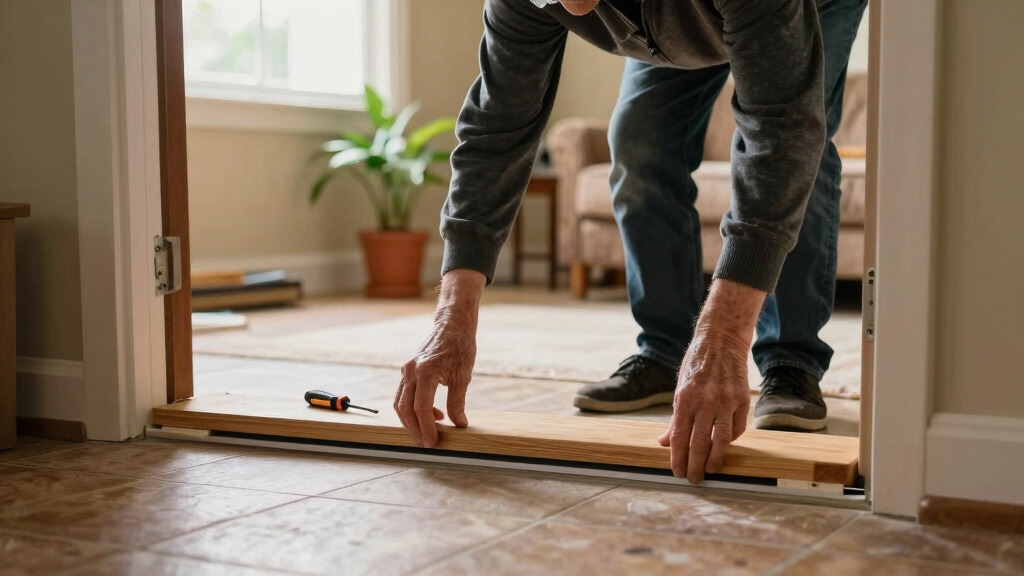
Adding a threshold ramp bridges floor level gaps, making doorways accessible for wheelchairs, walkers, or those with mobility challenges. Proper planning, material choice, and compliance ensure safety and durability.
Measure your threshold carefully to choose the right ramp length and slope.
Select materials based on where the ramp will be used — outdoors or indoors — and safety features like anti-slip surfaces.
Proper installation is key: secure your ramp firmly and check door clearance.
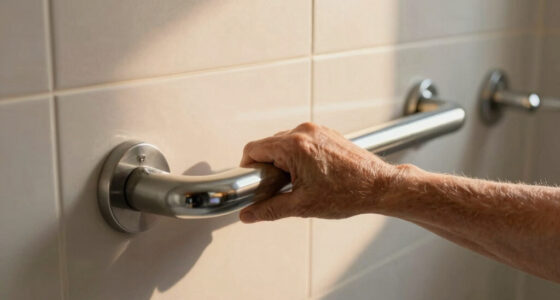
Safety features like textured surfaces and handrails significantly reduce fall risks.
Modern ramps offer lightweight, modular, and retractable options that make upgrades easier.
What Exactly Is a Threshold Ramp and Why You Need One
A threshold ramp is a small, sloped platform that bridges the gap between your floor and the doorway. Think of it as a gentle hill that makes rolling a wheelchair or stepping over a step easier. According to accessibility guidelines, thresholds over 1/2 inch can trip someone or block a wheelchair, so a ramp can turn a barrier into an entryway.
For example, if your front porch has a step of 2 inches, a ramp makes it as smooth as a gentle slope, reducing the risk of falls and making your home more welcoming for all.
As an affiliate, we earn on qualifying purchases.
How to Measure Your Doorway for a Perfect Fit
- Measure the height of the threshold from the floor to the top of the step. For example, if it’s 1.5 inches, that’s your starting point.
- Decide on the slope. The ADA recommends a 1:12 ratio — that’s 1 foot of ramp for every inch of height. This ratio is chosen because it strikes a balance between safety and practicality; steeper slopes can be difficult or unsafe to navigate, especially for wheelchairs or walkers, while gentler slopes require longer ramps that might take up more space. Understanding this helps you plan a ramp that is both safe and space-efficient.
- Calculate the length of your ramp. For a 1.5-inch threshold, you’ll need at least 18 inches of ramp length.
- Check door clearance. Make sure the door can open fully over the ramp without hitting or scraping. If the door swings inward, ensure there’s enough space for it to open without obstruction, which might require adjusting the ramp’s position or adding a slight extension to the door frame.
Proper measurement prevents awkward fits or safety hazards. Ramps that are too steep can be dangerous because they increase the risk of slipping or losing control, especially for mobility devices. Conversely, ramps that are excessively long might be impractical, occupying unnecessary space or disrupting the aesthetic of your entryway. Finding the right balance ensures safety, functionality, and visual harmony.
As an affiliate, we earn on qualifying purchases.
Choosing the Right Material for Indoor and Outdoor Ramps
| Material | Best For | Pros | Cons |
|---|---|---|---|
| Aluminum | Outdoor | Lightweight, durable, weather-resistant, easy to clean | Can be slippery without anti-slip coating |
| Composite | Indoor & outdoor | Non-slip, low maintenance, customizable colors | More expensive than wood or metal |
| Wood | Indoor | Matches home decor, easy to modify | Requires regular sealing, can warp or rot outdoors |
| Plastic | Portable or temporary | Lightweight, inexpensive, easy to install/remove | Less durable over time, can crack |
For outdoor use, aluminum or composites are best to withstand weather. Indoors, wood or composite options blend seamlessly with decor. The key is choosing a slip-resistant surface, especially in wet conditions. The choice of material impacts not only durability but also safety, aesthetics, and maintenance needs. For example, a slippery ramp in rainy weather can pose serious fall risks, so selecting a material with inherent slip resistance or adding anti-slip coatings is crucial for safety. Additionally, consider how the material’s look and feel will integrate with your home’s style, as well as the ease of cleaning and maintenance required over time.
As an affiliate, we earn on qualifying purchases.
How to Install a Threshold Ramp — Step-by-Step
- Measure and choose your ramp length based on your threshold height and slope requirements.
- Pick a material that matches your needs for durability and aesthetics.
- Secure the ramp firmly to the floor with appropriate fasteners or adhesive, ensuring it doesn’t wobble or shift. Proper attachment is critical because a loose or unstable ramp can cause accidents, especially when used regularly by people with mobility challenges. Using the right fasteners and ensuring a solid attachment minimizes the risk of slipping or shifting during use, which could otherwise lead to falls or injuries.
- Check that the door opens smoothly over the ramp without scraping or hitting. An improperly fitted ramp may interfere with door operation, causing inconvenience or damage over time. Ensuring enough clearance and proper alignment helps maintain the integrity of your doorway and prevents potential hazards.
- Test the ramp with a wheelchair or walker to confirm stability and safety.
If you’re handy, some ramps come as DIY kits. Otherwise, professional installation guarantees compliance and safety. Investing in proper installation not only ensures safety but also prolongs the lifespan of your ramp, saving you money and hassle in the long run.
As an affiliate, we earn on qualifying purchases.
Safety Features That Make Your Ramp Safer
Safety isn’t optional — it’s essential. When choosing or installing a threshold ramp, look for features like textured, anti-slip surfaces and sturdy handrails if the rise exceeds 6 inches. These additions are like safety nets, preventing slips and falls. Incorporating safety features is about understanding the risks involved — wet or uneven surfaces, lack of support, and steep slopes all increase fall risk. Anti-slip surfaces provide traction, especially in adverse weather or when the ramp gets wet, reducing chances of slipping. Handrails add support and confidence, particularly for those with limited strength or balance issues. The width of the ramp also matters; a width of at least 36 inches allows for comfortable, safe passage and easier maneuvering for mobility devices, which can prevent accidents caused by tight spaces or unstable footing.
For example, a friend added non-slip tape to her outdoor aluminum ramp, especially during rain. It’s a simple upgrade that made a huge difference in footing and confidence. Remember, safety features are investments in peace of mind; neglecting them can lead to accidents that could have been prevented.
Additionally, consider the overall design — a ramp that’s too narrow or lacks support features can compromise safety despite other good qualities. Prioritize features that enhance stability, grip, and ease of use to ensure the ramp truly serves its purpose of safe, accessible entry.
Recent Innovations Making Threshold Ramps Better Than Ever
Modern ramps are lighter, stronger, and more adaptable. Innovative materials like lightweight composites and modular systems make installation and removal easier. Some ramps even fold or retract for storage — perfect for seasonal or temporary needs.
For instance, a homeowner with a removable outdoor ramp appreciates the new modular designs that snap together and disassemble without tools, saving space and effort. These advancements mean that ramps are no longer static fixtures but flexible solutions that adapt to changing needs. They also often include features like integrated safety coatings and customizable configurations, which enhance both safety and convenience. The ability to easily install, remove, or reconfigure a ramp provides greater flexibility, especially in multi-use or shared spaces. Overall, these innovations are making accessibility upgrades more user-friendly, safer, and tailored to individual needs.
Plus, newer safety coatings with textured, anti-slip surfaces significantly reduce the risk of slipping, especially when wet.
Common Questions About Threshold Ramps — Answered
- How do I know what size ramp I need? Measure your threshold height and use the 1:12 slope rule to determine the ramp length. For example, a 2-inch rise needs at least a 24-inch ramp. Understanding this helps you select a ramp that is safe and comfortable to use, avoiding slopes that are either too steep (which can cause slips or difficulty) or too long (which may be impractical). Accurate measurements and knowledge of slope ratios are essential for ensuring safety and ease of use.
- Can I install it myself? Yes, if you’re comfortable with basic tools and measurements. For best safety and compliance, professional installation is recommended. Proper installation ensures the ramp is secure, stable, and compliant with regulations, which minimizes risks and prolongs its lifespan. Poorly installed ramps can wobble, shift, or create tripping hazards, negating their benefits.
- Are portable ramps a good option? Absolutely. Lightweight, foldable ramps are perfect for temporary needs, travel, or storage. They offer flexibility but also come with trade-offs such as potentially lower durability or stability compared to permanent solutions. Choosing a high-quality portable ramp with anti-slip features can make a significant difference in safety and convenience.
- What’s the cost range? Ramps vary from $50 for simple portable plastic options to over $300 for custom or high-end materials. Budget considerations should be balanced with safety features and durability; investing a bit more can often mean better safety and longer lifespan.
- How do I keep my ramp safe and maintained? Keep surfaces clean and dry, check fasteners regularly, and reapply anti-slip coatings as needed. Regular maintenance prevents deterioration, reduces the risk of accidents, and extends the life of your ramp. Recognizing signs of wear early can save you from costly repairs or replacements later.
Frequently Asked Questions
How do I determine the right size and slope for my doorway ramp?
Measure the height of your threshold and follow the 1:12 slope rule — one foot of ramp per inch of height. For example, a 2-inch step needs at least a 24-inch ramp for safe, gentle access.What materials are best for outdoor versus indoor ramps?
Aluminum and composites excel outdoors due to weather resistance, while wood or composite options blend well indoors. Always choose slip-resistant surfaces for safety.Can I install a threshold ramp myself, or should I hire a professional?
If you’re comfortable with measurements and tools, DIY installation is possible. For safety and compliance, professional help ensures the ramp is secure and meets standards.Are there portable ramps that can be easily moved or stored?
Yes, lightweight, foldable plastic or aluminum ramps are perfect for temporary use, travel, or seasonal adjustments.What maintenance is required for threshold ramps?
Keep the surface clean and dry, inspect fasteners regularly, and reapply anti-slip coatings when worn to maintain safety and durability.Conclusion
A threshold ramp isn’t just an addition — it’s a bridge to independence and safety. When you choose the right design and materials, you turn a potential obstacle into a seamless entry. Think of it as giving your home a gentle, welcoming slope that says, ‘Come in — safely and easily.’Flea & tick season Picks
flea and tick prevention
As an affiliate, we earn on qualifying purchases.