
TL;DR
Organizing important documents involves creating a secure, easy-to-access system for legal, financial, and medical records. Regular updates and digital tools make this process safer and more efficient, helping loved ones stay protected.
Imagine your loved one facing a sudden emergency — a fall, a hospital stay, or even passing away. Would their important papers be easy to find? Would trusted family members know where to look? If those questions give you pause, you’re not alone. Organizing vital documents now can save hours of stress later, ensuring your loved one’s wishes are clear and their future protected.
This guide walks you through creating a simple, secure system for storing everything from IDs to legal papers. You’ll learn how to keep things accessible yet safe, update them regularly, and use modern digital tools to make the process smoother. Because when it comes to family, peace of mind is everything.
Create a dedicated, labeled system—physical or digital—for storing vital documents.
Gather all essential papers: IDs, legal, financial, and medical records, then organize them by category.
Use secure digital platforms with encryption for easy sharing and backup, but keep physical copies for critical documents.
Review and update documents at least once a year or after major life changes to avoid outdated info.
Have open conversations with your loved one about their wishes and legal plans, and involve professionals when needed.
Practical family preparedness guide
Organizing Important Documents for a Loved One
A clear, secure document system can turn a sudden emergency from a frantic search into a calm, informed response. Bring legal, financial, medical, insurance and identity records together—then make sure the right people know how to reach them.
If an emergency happened tonight, could a trusted person find the right papers?
Best practice: combine protected physical originals with encrypted digital backups for both resilience and rapid access.
One system. Three layers of protection.
Create a central “home” for every record. The system should be easy enough for a trusted person to understand, secure enough for sensitive information, and redundant enough to survive loss, damage or technical failure.
Choose one document hub
Use a fireproof, waterproof safe for originals and a clearly structured encrypted vault for scanned copies. Avoid scattering records across drawers, inboxes and devices.
Name everything plainly
Use recognizable labels such as “Power of Attorney,” “Insurance Policies” and “Medical Records.” Add document dates so the newest version is immediately obvious.
Define trusted access
Tell a trusted family member, caregiver or legal representative where the system is located and how access works. Share only what their role requires.
Create deliberate redundancy: keep critical originals in the physical safe, encrypted scans in the digital vault, and access instructions in a separate protected location.
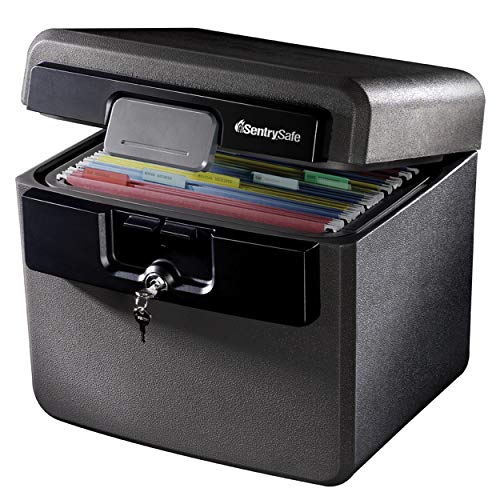
SentrySafe Black Fireproof and Waterproof Safe, File Folder and Document Box with Key Lock, Ex. 14.3 x 15.5 x 13.5 inches, HD4100
FIREPROOF: Safe is UL Classified to endure 1/2 hour at 1550°F and keep interior temperatures safe for irreplaceable…
As an affiliate, we earn on qualifying purchases.
As an affiliate, we earn on qualifying purchases.
Gather the records that tell their life story.
Each category answers a different urgent question: Who are they? Who can act? What care do they want? What do they own? What coverage applies? Missing records can create delays, disputes and decisions that do not match their wishes.
Personal records
- Birth certificate
- Social Security card
- Passport and driver’s license
Legal documents
- Will and trusts
- Power of attorney
- Healthcare directives
Financial records
- Bank and investment accounts
- Tax returns
- Retirement and benefit details
Insurance policies
- Life and health
- Home and auto
- Long-term care coverage
Medical information
- Conditions and care history
- Medication list
- Doctors and emergency contacts
Property records
- Deeds and titles
- Mortgage documents
- Lease and asset records
Emergency retrieval priority
The planning gap

NeatReceipts Mobile Scanner and Digital Filing System – PC
Slim and lightweight, can run on USB from your computer
As an affiliate, we earn on qualifying purchases.
As an affiliate, we earn on qualifying purchases.
Physical, digital—or both?
Physical and digital systems solve different problems. A layered approach offers the strongest balance: originals remain protected, while encrypted copies can be accessed and shared quickly when distance or urgency matters.
| Decision factor | Physical safe | Digital vault | Layered system |
|---|---|---|---|
| Original legal papers | ✓Best location | ~Copy only | ✓Original + scan |
| Fast remote access | ~Limited | ✓Immediate | ✓Immediate backup |
| Fire or water resilience | ✓With rated safe | ✓Off-site copy | ✓Redundant |
| Secure sharing | ~Manual handoff | ✓Permission based | ✓Role appropriate |
| Technology failure | ✓Unaffected | ~Access risk | ✓Physical fallback |
| Best overall use | Protect originals | Backup and rapid sharing | Maximum resilience |
Digital vault checklist
Convenience only helps when access remains secure and recoverable.
- Encryption at rest and during transfer
- Multi-factor authentication
- Clear sharing and permission controls
- Document history or reliable backups
- Recovery plan for lost credentials
Balance access with protection
Too little protection exposes private information. Too much complexity can lock out the people who need it. Match access to each person’s role and comfort with technology.

ComplyRight Confidential Employee Medical Record Folder, Pack of 25
HR & Employee Management: Easily maintain employee safety records by using the confidential employee medical records folder designed…
As an affiliate, we earn on qualifying purchases.
As an affiliate, we earn on qualifying purchases.
Keep the system current without the headache.
Documents are living records. Schedule a full review at least annually—and begin an immediate review after major changes in health, relationships, residence, finances or legal authority.
Inventory
Check each category against the master list.
Verify
Confirm dates, addresses, contacts and coverage.
Update
Revise beneficiaries, proxies and instructions.
Replace
Remove invalid versions and refresh scans.
Notify
Confirm trusted people know how to gain access.

Letaya Mobile File Cabinet with Lock,2 Drawer Under Desk Metal Rolling Filing Cabinets for Home Office Organizer Letters/Legal/A4(Fully Assembled-Black)
Durable Metal Material:File cabinet is made of 0.8mm thick steel,whole is solid and does not deform, and it…
As an affiliate, we earn on qualifying purchases.
As an affiliate, we earn on qualifying purchases.
Every record should lead to a clear action.
Organization is not the final goal. The real outcome is a trusted chain connecting accurate information, authorized access, informed decisions and respect for your loved one’s wishes.
Begin with the records that matter in an emergency.
Collect identification, medication details, insurance information, healthcare directives and powers of attorney first. Then complete the remaining categories and arrange professional legal guidance where needed.
Create a Simple, Secure System Your Loved One Can Trust
The first step is setting up a central spot—think of it as the heart of their document world. Use a fireproof, waterproof safe for physical papers or a secure digital platform for electronic files. Label everything clearly—”Birth Certificate,” “Power of Attorney,” “Insurance Policies.” A well-organized space makes it easy for trusted family members or legal reps to find what they need in an emergency.
Choosing the right storage method has significant implications. Physical safes protect against theft, fire, and water damage but can be cumbersome to access quickly during emergencies. Digital platforms, on the other hand, offer instant access and easy sharing but depend on internet security and the user’s tech literacy. Balancing these options involves considering your loved one’s specific needs and potential risks. An effective system often combines both—physical copies stored securely and digital backups for quick access, ensuring redundancy and peace of mind.
Tip: Create a backup copy of all vital documents—store one physically in the safe and a digital copy in a secure cloud storage. Review and update this system at least once a year or after major life events.
Identify and Gather All Your Loved One’s Essential Documents
Organizing important documents for a loved one starts with knowing what to gather. Think of it as creating a treasure chest of their life story—ID cards, legal papers, financial records, and medical history. These are the pieces that ensure their care, finances, and wishes are honored. Understanding why each category matters helps prioritize what to collect and keeps you from overlooking critical items that could cause delays or legal complications in emergencies.
For example, personal IDs like birth certificates and Social Security cards are fundamental because they verify identity and eligibility for benefits. Legal documents such as wills and powers of attorney are essential for executing their wishes, especially if they become incapacitated. Financial records enable quick access to funds or benefits, which can be critical during urgent situations. Medical history and insurance policies provide vital information for healthcare providers and help manage ongoing care. Property deeds and mortgage papers clarify ownership, preventing disputes or confusion about assets.
Neglecting any of these can lead to serious consequences—delays in emergency response, legal disputes, or unintentional neglect of their wishes. Therefore, systematically gathering and reviewing these documents ensures you have a comprehensive picture, allowing for more informed decisions and smoother updates in the future.
Use Modern Digital Tools to Keep Things Safe and Easy to Share
Digital storage is a game-changer. Today, you can use encrypted, password-protected online vaults or estate planning apps to keep important documents safe yet accessible. This approach allows you to store high-quality scanned copies securely, which can be accessed instantly from anywhere, reducing the risk of losing physical papers or damage due to disasters. Sharing a secure link with trusted individuals means that in emergencies, they can retrieve necessary documents without delay, streamlining communication and decision-making.
However, relying solely on digital tools involves tradeoffs. While they offer unmatched convenience and rapid access, they also introduce vulnerabilities—such as hacking, accidental deletion, or access issues if passwords are lost. Additionally, over-reliance on technology can be problematic if your loved one isn’t comfortable with digital platforms, leading to potential gaps in access or understanding. Balancing digital and physical storage ensures you mitigate these risks: digital for quick sharing and updates, physical copies for permanence and security if technology fails. This layered approach maximizes safety and accessibility, giving you peace of mind that the documents are protected and available when needed.
For example, a caregiver used a digital vault with multi-factor authentication to store scanned copies of her mother’s documents. When a sudden hospital visit happened, she simply provided access to her sister from across the country. The peace of mind was priceless, but she also kept physical copies in a safe for added security and peace of mind.
Tip: Choose platforms that offer encryption and multi-factor authentication. Review permissions regularly and keep login credentials in a separate, secure location.
Keep Everything Up-to-Date Without the Headache
Documents are living things—they need regular check-ins. After big life changes like a move, marriage, or new health condition, review and update your loved one’s files. Outdated legal documents or expired insurance policies can cause confusion or delays when it matters most. For example, an outdated power of attorney might grant authority to someone who is no longer trusted or available, leading to legal complications. Similarly, an expired insurance policy might leave gaps in coverage during emergencies. Overlooking these updates can result in unintended consequences—beneficiary designations that no longer reflect current wishes or legal directives that don’t match recent circumstances—potentially causing disputes or misaligned care decisions.
Setting a routine—like a semi-annual review—helps ensure everything remains current. During these checks, confirm addresses, beneficiaries, and legal instructions. Removing outdated papers reduces clutter, minimizes confusion, and prevents accidental use of invalid documents. This ongoing process not only promotes clarity but also ensures legal compliance, reducing the risk of conflicts or delays at critical moments. Regular reviews help you identify gaps early, adapt to changing circumstances, and maintain confidence that your loved one’s wishes are accurately reflected and protected.
For example, one family scheduled an annual review date on their calendar. When their loved one’s health declined, they realized some documents needed updating—such as a new healthcare proxy—and updated them promptly. This proactive approach prevented misunderstandings and legal complications during critical moments, underscoring the importance of regular reviews to stay prepared.
Frequently Asked Questions
What documents should I prioritize when organizing for a loved one?
Focus first on personal IDs, legal papers like wills and powers of attorney, health and medical records, insurance policies, and financial documents. These are the core pieces that ensure their wishes are respected and their care is smooth during emergencies.
How can I securely store and share sensitive documents?
Use fireproof safes or waterproof lockboxes for physical copies, and choose encrypted, password-protected digital vaults for electronic files. Share access only with trusted family members or legal representatives, and keep login details separate and secure.
What legal considerations should I be aware of?
Legal advice is essential when creating or updating estate planning documents. Ensure all documents are current, signed, and legally binding. Discuss plans openly with your loved one and other family members to prevent disputes later.
How often should I review and update these documents?
Review at least once every 6 to 12 months, especially after significant life events like moving, health changes, or family updates. Keeping your files current prevents confusion and ensures your loved one’s wishes are honored.
What digital tools or services are recommended for organizing important documents?
Look for platforms offering encryption, multi-factor authentication, and easy sharing—examples include secure cloud storage services or specialized estate planning apps. Always verify their security features before trusting them with sensitive information.
Conclusion
Putting together an organized, secure system for your loved one’s important documents isn’t just about paperwork. It’s a gift of clarity, safety, and peace of mind—especially in moments when every second counts. Think of it as building a safety net that catches your loved one’s future, one document at a time.
Start today. A few simple steps now can save hours of stress later—and that’s a true act of care.