TL;DR

Turn quiet afternoons into listening time
- Thousands of audiobooks, podcasts and originals
- Listen on your phone, tablet or Echo — also offline
- Cancel anytime
Reader interest is spiking around an FDA MedWatch-listed recall involving Abiomed’s automated controllers for Impella heart pumps. The FDA MedWatch listing is the primary source, but the scope, reason, and any patient impact are not yet confirmed.
Attention is surging around a recall of automated controllers for Abiomed’s Impella heart pumps, listed through the FDA MedWatch safety alert system, though key details of the action — including its scope, the underlying reason, and whether any patients have been harmed — remain unconfirmed. Abiomed, a subsidiary of Johnson & Johnson, makes the Impella family of catheter-deployed heart pumps used to support patients in cardiac failure or during high-risk procedures.
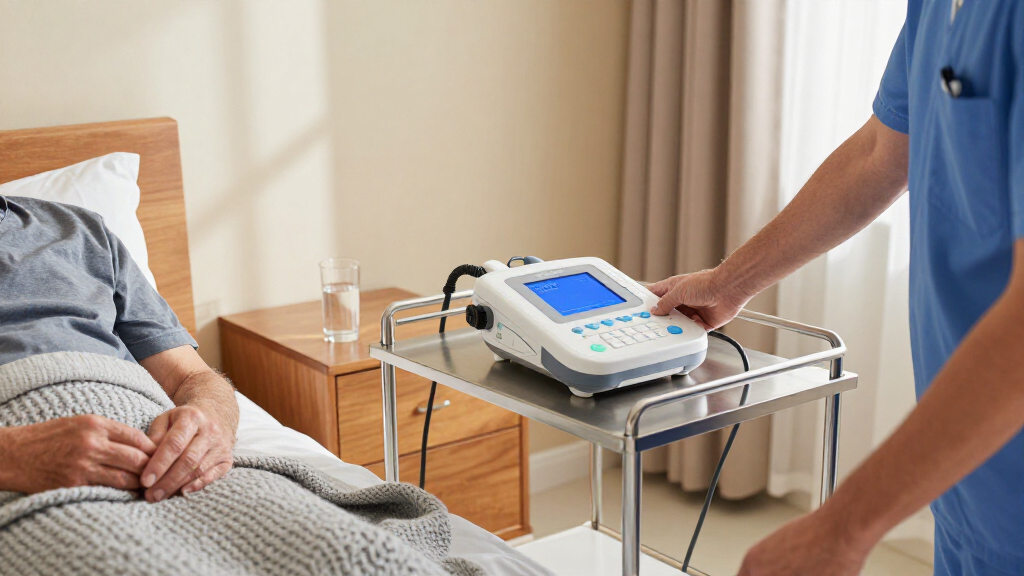
The verified anchor for this story is the topic itself: a recall action concerning Abiomed’s automated Impella controllers, with FDA MedWatch — the agency’s program for reporting and publicizing medical device safety issues — cited as the primary source. Impella pumps are temporary ventricular support devices implanted via catheter, and their handheld or automated controllers regulate pump function while the device is in use.
Beyond that listing, few specifics are confirmed at this stage. It is not yet clear which specific controller models are covered, how many units are involved, whether the action is a full recall or a correction, or what fault or defect prompted it. FDA device recalls span a wide spectrum of severity — from low-risk labeling corrections to Class I actions involving reasonable probability of serious harm — and no classification for this action has been confirmed.
No statements from Abiomed or Johnson & Johnson, and no confirmed reports of patient injury or death connected to the controller issue, are part of the verified information at this time. Readers encountering claims about malfunctions or patient outcomes should treat them as unverified until manufacturers or regulators publish details.
Why Impella Controller Safety Draws Scrutiny
Impella devices occupy a high-stakes niche: they are used in critically ill cardiac patients, including those in cardiogenic shock or undergoing complex interventions, where pump reliability can be life-sustaining. The controller is the operator-facing component that manages pump speed and alarms, so any question about its performance attracts attention from hospitals, clinicians, and patients’ families.
A recall affecting these components matters even if it proves minor, because device teams must verify whether their inventory is affected, determine whether substitute equipment is available, and review any procedural protocols that depend on automated control. The spike in search interest itself reflects that practical concern — clinicians and supply-chain staff routinely check FDA notices when a recall headline surfaces.
For Johnson & Johnson, which acquired Abiomed in 2022 for roughly $16.6 billion, the recall process is also a test of post-acquisition quality management for a franchise that anchors its cardiovascular portfolio.
Impella Devices and FDA Recall Process
Abiomed’s Impella pumps are the most widely used percutaneous heart pumps in the United States, and the company has long-established history with FDA oversight, including prior recalls and safety communications involving Impella components over the years. Those past actions ranged from software corrections to device removals, and not all involved patient harm.
The FDA MedWatch system is the agency’s channel for alerting the public to recalls, safety alerts, and adverse-event trends. A MedWatch listing signals that a manufacturer-initiated or FDA-mandated action has been entered into the regulatory record, but the severity of such actions varies widely, and the accompanying details — root cause, affected lot numbers, and clinical risk — are typically supplied in follow-up notices from the manufacturer or in the FDA’s weekly enforcement report.
Unconfirmed Details in the Recall Notice
Several elements remain unknown or unverified:
- The reason for the recall — no confirmed fault, malfunction, or labeling issue has been described in the verified material.
- The scope — which controller models, lot numbers, or software versions are involved, and how many devices are in the field, is unclear.
- FDA recall classification — whether this is Class I, II, or III, which indicates severity, has not been confirmed.
- Patient impact — no confirmed reports of injury or death tied to the controller issue are available.
- Manufacturer statements — any comments attributed to Abiomed or Johnson & Johnson at this stage should be treated as unverified unless published through official channels.
Expected Recall Disclosures and Hospital Response
Watch for the manufacturer’s customer notification letter, which typically details affected units, required actions, and contact information, and for the FDA’s weekly enforcement report or MedWatch update, which usually assigns a recall classification and unit count. Hospitals and catheterization labs will likely check device inventories against any affected serial or lot numbers once those are published. If the action is elevated to Class I, the FDA will typically issue its own public notice with expanded safety information.
Key Questions
What is being recalled?
A recall action involving Abiomed’s automated Impella controllers is listed through FDA MedWatch. The specific models and number of units affected have not been confirmed.
Are Impella pumps themselves being recalled?
The verified information concerns the controllers — the units that operate the pumps — not the pump catheters themselves. Whether any pump components are also affected is unclear.
Has anyone been harmed?
No confirmed reports of patient injury or death connected to this controller recall are part of the verified information at this time.
How serious is this recall?
The FDA’s recall classification — Class I, II, or III — has not been confirmed. Classification usually appears in the FDA’s enforcement report after the initial notice.
What should patients or clinicians do?
Hospitals typically respond by checking inventory against the manufacturer’s notification once published. Patients with concerns about an Impella-supported procedure should direct questions to their treating physicians rather than acting on unverified reports.
Source: primary
Fall Picks
fall essentials
As an affiliate, we earn on qualifying purchases.