
TL;DR

Turn quiet afternoons into listening time
- Thousands of audiobooks, podcasts and originals
- Listen on your phone, tablet or Echo — also offline
- Cancel anytime
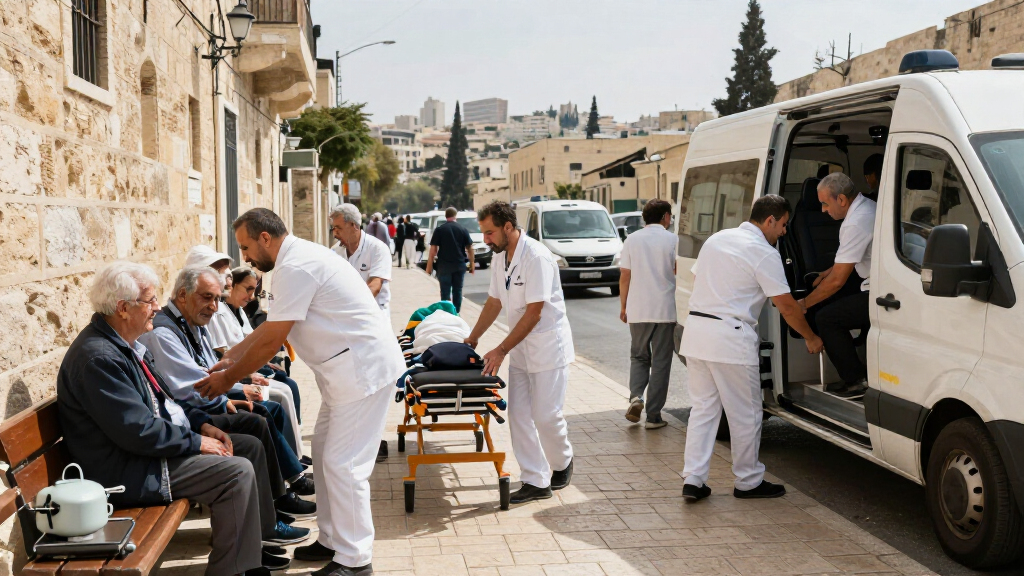
During Yom Kippur in Israel, medics assisted 3,322 people, according to reports. The event underscores the strain on emergency services during the holiday, but details about specific incidents remain limited.
During Yom Kippur in Israel, medical teams assisted a total of 3,322 people, according to reports from The Jerusalem Post. The number highlights the significant demand for emergency medical services during the religious holiday, which involves fasting, prayer, and a nationwide pause in work and travel. This development is confirmed and underscores the strain on Israel’s healthcare system during this period, with authorities mobilizing resources to handle increased medical needs.
Israeli medics provided emergency assistance to 3,322 individuals during Yom Kippur, as reported by The Jerusalem Post. The assistance ranged from minor injuries and dehydration to more serious medical conditions requiring hospitalization. The figure reflects a typical surge in medical activity during the holiday, when many Israelis observe fasting and spiritual practices that can impact health, especially among vulnerable populations.
Officials from Israel’s Magen David Adom emergency service stated that the majority of cases involved dehydration, fainting, and fatigue, common issues during extended fasting. They emphasized that preparations for the holiday included increased staffing and resource allocation to manage the heightened demand. Local hospitals also reported receiving a higher volume of patients, though no reports of widespread crises or emergencies have been confirmed.
Impact of Yom Kippur on Emergency Medical Services in Israel
The assistance of 3,322 people during Yom Kippur highlights the significant pressure placed on Israel’s healthcare and emergency response systems during major religious observances. It demonstrates the importance of preparedness and resource allocation in managing increased health risks associated with fasting and communal gatherings. This figure also provides insight into the scale of medical needs during national holidays, which can inform future planning and policy decisions to ensure public safety.
dehydration relief electrolyte drinks
As an affiliate, we earn on qualifying purchases.
As an affiliate, we earn on qualifying purchases.
Yom Kippur’s Role in Israeli Society and Healthcare Demands
Yom Kippur, the Jewish Day of Atonement, is considered the holiest day in the Jewish calendar. It involves fasting from sunset to sunset, prayer, and reflection, with many Israelis participating in synagogue services and communal prayers. Historically, the holiday leads to a nationwide pause in work, transportation, and commercial activity, resulting in a significant shift in daily routines.
During this period, emergency services often see increased demand due to dehydration, fainting, and other health issues related to fasting and large gatherings. The 2023 data indicates that the trend of higher medical assistance during Yom Kippur continues, with authorities emphasizing the importance of preparedness. Past reports have shown similar patterns, underscoring the holiday’s impact on public health infrastructure.
As an affiliate, we earn on qualifying purchases.
Details of Specific Incidents and Emergency Cases Unclear
While the total number of assisted individuals is confirmed, it is not yet clear what specific incidents or emergencies prompted the majority of medical assistance. Details about the severity of cases, locations, and whether any fatalities occurred remain undisclosed or unverified at this stage. Further reporting from local authorities may clarify these points in the coming days.
portable first aid kit for emergencies
As an affiliate, we earn on qualifying purchases.
As an affiliate, we earn on qualifying purchases.
Monitoring and Future Preparedness for Religious Holidays in Israel
Authorities are expected to review the response to this year’s Yom Kippur, with potential adjustments to emergency staffing and resource deployment. Additionally, public health campaigns may be reinforced to educate participants on managing health risks during fasting and communal gatherings. Further data collection and analysis will likely inform preparations for future holidays and similar events.
personal health monitoring devices
As an affiliate, we earn on qualifying purchases.
As an affiliate, we earn on qualifying purchases.
Key Questions
What types of medical issues were most common during Yom Kippur?
The most common issues involved dehydration, fainting, and fatigue, which are typical during fasting and extended prayer services, according to emergency officials.
Were there any major emergencies or fatalities during the holiday?
No reports of widespread crises or fatalities have been confirmed at this time. Authorities indicate the healthcare system managed the increased demand effectively.
How does this compare to previous years’ data on medical assistance during Yom Kippur?
The number of assisted individuals appears consistent with past observations, reflecting a predictable pattern of increased medical needs during the holiday.
What measures are in place to handle emergencies during future holidays?
Israeli emergency services typically increase staffing, prepare additional resources, and coordinate with hospitals to manage the surge in medical cases during major religious observances.
Does fasting significantly impact health, especially for vulnerable populations?
Health authorities advise caution for vulnerable groups, such as the elderly or those with chronic conditions, and recommend consulting medical professionals before fasting.
Source: local
Fall Picks
fall essentials
As an affiliate, we earn on qualifying purchases.