
TL;DR
Listen free for 30 days with Audible
Thousands of audiobooks and originals — cancel anytime.
Start your free trialAs an affiliate, we earn on qualifying purchases.
Daily-living aids like dressing sticks, magnetic fasteners, and adaptive clothing make dressing safer and easier. Recent innovations focus on ergonomic design and smart solutions to support independence.
Getting dressed each day shouldn’t be a struggle, yet for many older adults and individuals with mobility challenges, it often is. Simple tools designed for this purpose can make a world of difference. Whether it’s slipping into shoes or fastening a zipper, the right aid can turn a frustrating task into a manageable one.
In this guide, you’ll discover practical, easy-to-use daily-living aids that transform dressing from a chore into a manageable, even enjoyable, part of the day. We’ll explore the latest innovations and share tips on choosing and using these tools effectively.
Choose aids based on your specific dressing challenges—whether it’s fastening, reaching, or bending.
Incorporate ergonomic tools like sock aids, zipper pulls, and dressing sticks to reduce strain and improve safety.
Adaptive clothing with Velcro or magnetic closures can eliminate the need for fine motor skills entirely.
Experiment with different aids and start small—adding tools gradually helps you find what truly works.
Stay aware of emerging smart technology that promises to make dressing even easier in the future.
How Dressing Aids Help You Stay Independent Every Morning
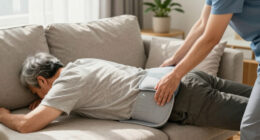
Daily-living aids for dressing are designed to reduce strain, improve safety, and preserve dignity. They matter because they directly impact your ability to maintain independence, which is crucial for mental well-being and quality of life. For instance, a dressing stick not only helps with reaching but also minimizes the risk of falls caused by overreaching or unstable balancing. This means fewer accidents and greater confidence in your daily routines.
Choosing the right aid isn’t just about convenience; it involves understanding tradeoffs. Some tools, like a dressing stick, are simple but might require some practice to use effectively. Others, like adaptive clothing, may be more expensive but significantly reduce the need for dexterity. The goal is to select aids that align with your specific needs and limitations, ultimately fostering greater autonomy and reducing reliance on caregivers. This empowerment can lead to improved self-esteem and a sense of control over your daily life.

Nourislif 27'' Dressing Stick, Long Dressing Stick for Elderly, Disabled, Limited Mobility – Daily Living Dressing Aid Stick for Hip Replacement, Back – Dressing Aid for Pants, Shoes, Socks
- Promotes Independent Dressing: Ideal for limited mobility recovery
- Protective Vinyl Hook: Gently grips fabric to prevent slipping
- Versatile Use: Assists with shoes, shirts, jackets, pants
As an affiliate, we earn on qualifying purchases.
As an affiliate, we earn on qualifying purchases.
Top 5 Must-Have Aids That Make Dressing a Breeze
| Tool | What It Does | Best For |
|---|---|---|
| Reacher or Grabber | Grasps clothing or shoes without bending, minimizing strain on joints and reducing fall risk. It also helps in maintaining proper posture during dressing tasks. | Picking up socks or shoes from the floor, especially for those with limited mobility or back problems. |
| Button Hook | Helps fasten buttons easily, reducing the fine motor skill requirement. It can be a game-changer for those with arthritis or tremors, but users should be aware that it may take some practice to master. | Blouses, shirts, or pants with small buttons, especially when fine motor control is compromised. |
| Zipper Pull | Enlarges zipper pulls for easier grip, which can be crucial for users with limited hand strength or dexterity. However, some designs may not fit all zipper types, so compatibility should be checked. | Zipping up jackets or pants, providing a safer, less frustrating experience. |
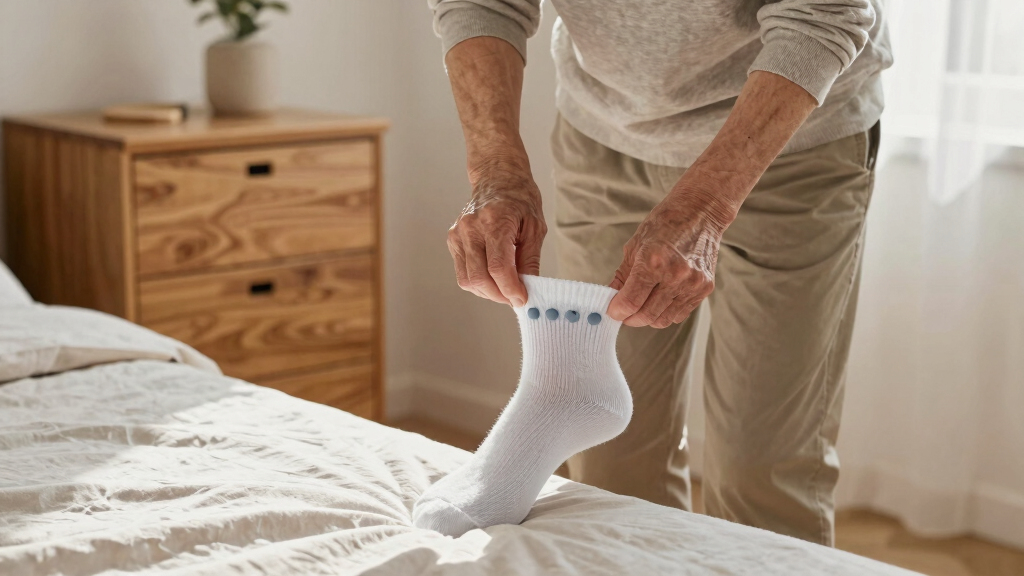
| Sock Aid | Slides socks onto the foot without the need for bending or twisting, helping to prevent falls and reduce joint strain. It’s particularly useful for those with balance issues or hip restrictions, but may require some initial coordination to use effectively. | Putting on socks while seated or for individuals with hip or back problems. |
| Adaptive Clothing | Clothes with Velcro or magnetic closures eliminate the need for fine motor skills, making dressing faster and less painful. The tradeoff is often in style or fit, but many brands now offer fashionable options that balance appearance and accessibility. | Eliminates the need for fine motor skills, ideal for those with severe arthritis or limited dexterity. |
Choosing the right tools involves understanding your specific challenges and weighing the benefits against potential limitations. For example, while a sock aid simplifies putting on socks, it might be less effective if you have very limited hand strength or coordination. Combining tools, like using a reacher with a sock aid, can optimize your dressing routine. Remember, the goal is to find a balance that maximizes independence while minimizing frustration or risk.
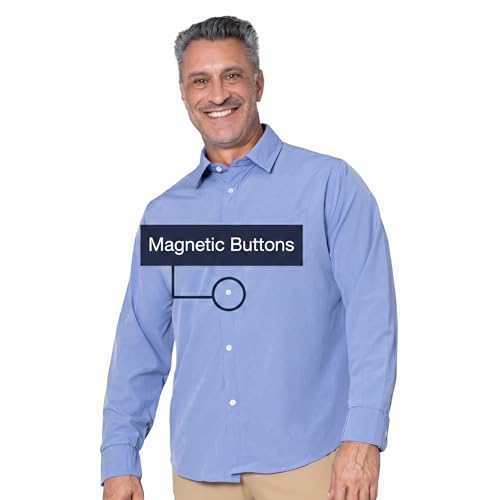
Joe & Bella Magnetic Button Shirt, Adaptive Clothing for Men – Magnetic Closure Dress Shirts – Long-Sleeve, Relaxed Fit, Hidden Magnets, Easy One-Hand Dressing, Stretch Cuffs, Blue – Large
- Hassle-Free Magnetic Closure: Quick dressing with hidden magnets
- Secure Magnetic Fastening: Strong magnets keep shirt aligned
- Comfortable Stretch Cuffs: Easy to slip on and move freely
As an affiliate, we earn on qualifying purchases.
As an affiliate, we earn on qualifying purchases.
Which Aids Are Best for Arthritis or Limited Hand Strength?
For individuals with arthritis or limited hand strength, selecting aids that reduce the need for grip strength is essential. Magnetic buttons or Velcro fasteners are especially beneficial because they bypass the tiny, painful movements needed for traditional buttons or hooks. These adaptations are not just about convenience—they can profoundly impact your emotional well-being by reducing frustration and embarrassment during dressing.
For example, switching to magnetic closure shirts can cut dressing time significantly and eliminate the pain associated with pinching or squeezing. This can lead to a more positive dressing experience, encouraging independence rather than reliance on assistance. However, it’s important to consider tradeoffs, such as the cost or limited style options for some adaptive clothing. When choosing aids, think about how they fit into your daily routine and whether they genuinely reduce effort while maintaining comfort and appearance. The right aids can turn dressing from a painful chore into a manageable, even empowering, activity.
Research indicates aids that lessen the need for fine motor control can improve dressing independence by over 30% among those with arthritis, emphasizing the importance of tailored solutions that address specific hand limitations.

RMS Deluxe Sock Aid – Socks Helper with Foam Handles for Regular Socks
- Compatible Sock Types: Suitable for ankle, knee, athletic, and dress socks
- Not for Compression Socks: Designed for regular socks only
- Foot Width Compatibility: Fits foot widths up to 5 inches
As an affiliate, we earn on qualifying purchases.
As an affiliate, we earn on qualifying purchases.
Frequently Asked Questions
What are the most affordable dressing aids I can buy?
Basic aids like zipper pulls and sock aids are quite affordable, often costing under $20. Many drugstores and online shops offer beginner-friendly options without breaking the bank. Focus on essentials that address your biggest challenges first.
Can dressing aids be used temporarily after an injury?
Absolutely. Many aids are designed for temporary use during recovery from injuries or surgeries. They can help you regain independence while you heal and can be phased out once you’re back to normal.
Are there any safety precautions I should keep in mind?
Yes. Always choose sturdy, non-slip tools and check for sharp edges or loose parts. Keep aids within reach to prevent falls, and practice using them in safe, well-lit areas. Consult a healthcare professional if you’re unsure which aids suit your condition.
How do I train someone to help me use dressing aids?
Start with a step-by-step demonstration. Practice together, and encourage patience. Many aids come with simple instructions, and caregivers can benefit from quick tutorials online or from community support groups.

MAXPEDITION Positive Grip Zipper Pulls (Large, Black) Pack of 6, Zipper Pull Replacement for Tactical Backpack, EDC Pouch, Bug Out Bag & Luggage, Sling Pull Tab, PZLBLK
- Suitable for 10mm Zippers: Fits YKK 10mm or larger sliders
- Durable Construction: Made from tough TPU plastic and polyester cord
- Secure Grip: Textured surface for better hold in low light
As an affiliate, we earn on qualifying purchases.
As an affiliate, we earn on qualifying purchases.
Conclusion
Every tool that eases dressing preserves your dignity and independence. Think of these aids as tiny assistants—ready to help you start each day with confidence. A simple change can make dressing feel less like a chore and more like a moment of autonomy.
Remember: the right aid isn’t just about convenience; it’s about reclaiming control over your daily life. With a little experimentation, you can find your perfect set of helpers—turning mornings into a smooth, stress-free routine.
Back to school Picks
back to school
As an affiliate, we earn on qualifying purchases.