
TL;DR

Turn quiet afternoons into listening time
- Thousands of audiobooks, podcasts and originals
- Listen on your phone, tablet or Echo — also offline
- Cancel anytime
A BTU calculator estimates the cooling capacity you need based on your room size and other factors. Using it prevents wasting money on an oversized unit or dealing with an underpowered one. It’s a quick, practical step to better cooling choices.
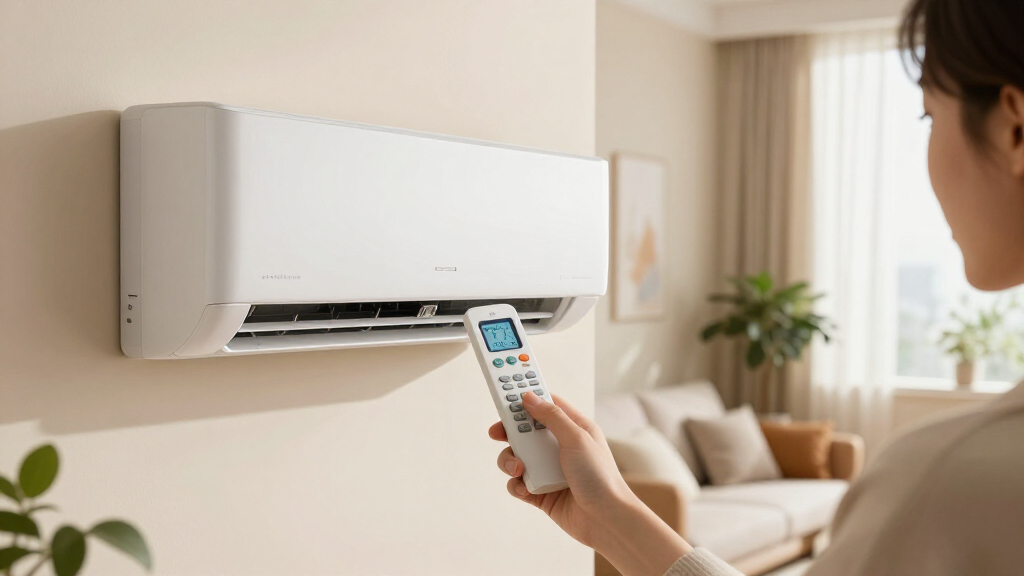
Imagine installing an air conditioner that struggles to cool your living room or one that turns on and off rapidly, wasting energy. Neither is ideal. The secret to perfect comfort and efficiency lies in choosing the right BTU rating. Understanding and using a BTU calculator helps you pick a unit tailored to your space—saving money, reducing energy use, and keeping your home comfortably cool.
In this guide, you’ll learn how a BTU calculator works, what factors influence your cooling needs, and how recent tech makes this process even easier. Whether you have a tiny apartment or a large living room, knowing your perfect BTU can make all the difference.
Use a BTU calculator to match your room size and features for efficient cooling.
Avoid over- or under-sizing to prevent energy waste and discomfort.
A 15-minute online input can save you hundreds on energy costs over time.
Consider sunlight, occupancy, and ceiling height when calculating BTU needs.
Choosing the right BTU unit extends your AC’s lifespan and reduces repair costs.
What Exactly Is a BTU and Why Does It Matter?
BTU stands for British Thermal Unit — a measure of heat energy. In simple terms, it tells you how much heat an air conditioner can remove from a room per hour. Think of it as the ‘strength’ of your cooling buddy.
Choosing the right BTU is key. An underpowered unit won’t cool effectively, making your home feel stuffy. An overpowered one cools too fast, then cycles on and off, wasting energy and shortening its lifespan. The goal: a unit that matches your room’s needs perfectly.
Getting this right is crucial because it directly affects your comfort and energy bills. An undersized unit will struggle to keep the room cool, leading to longer run times and higher electricity costs. Conversely, an oversized unit cools too quickly, often shutting off before removing enough humidity, which can leave your space feeling damp or clammy. This mismatch not only wastes energy but can also cause unnecessary wear and tear on your system, reducing its lifespan. Thus, understanding the BTU’s role helps you balance cooling effectiveness with efficiency, ensuring you get a reliable, cost-effective solution tailored to your space.
best 6000 BTU window air conditioner
As an affiliate, we earn on qualifying purchases.
As an affiliate, we earn on qualifying purchases.
How a BTU Calculator Knows Your Perfect Match
A BTU calculator asks for details like your room’s size, ceiling height, sunlight exposure, and the number of people usually there. For example, if your living room is 15 feet by 20 feet with standard 8-foot ceilings, the calculator estimates around 6,000-7,000 BTU.
It considers that a room with lots of sunlight or multiple occupants needs more cooling power. The calculator crunches these numbers quickly, giving you a clear BTU target. Think of it as a smart recipe for cooling perfection.
However, understanding how these factors influence your cooling needs can help you make more informed decisions. For instance, a room with high sunlight exposure or large windows will need a higher BTU to counteract heat gain, while a room with fewer occupants or less sunlight might require less cooling capacity. Recognizing these nuances helps you avoid over- or under-sizing your unit, which can lead to inefficiency or discomfort. The calculator simplifies this process, but knowing why certain factors matter ensures you can adjust recommendations based on your unique situation for optimal comfort and energy savings.
energy-efficient portable air conditioner
As an affiliate, we earn on qualifying purchases.
As an affiliate, we earn on qualifying purchases.
The Top 3 Mistakes When Picking an AC Without a BTU Calculator
| Mistake | What Happens |
|---|---|
| Over-sizing | Unit cools too fast, cycles frequently, wastes energy, and wears out quicker. Example: A 12,000 BTU AC in a 300 sq ft bedroom. While it might seem like more cooling power is better, oversizing often leads to inefficient operation. The AC will turn on, cool the space rapidly, then shut off before dehumidifying properly, resulting in a damp, clammy feeling. Plus, frequent cycling increases wear and tear, reducing the unit’s lifespan and increasing maintenance costs. Over time, this inefficiency can significantly inflate your energy bills and lead to premature equipment failure. |
| Under-sizing | Room stays warm, AC runs constantly, raising energy bills and causing frustration. Example: Using 8,000 BTU in a 500 sq ft living room. An undersized unit struggles to reach the desired temperature, so it runs nonstop, consuming more electricity and subjecting itself to greater wear. This constant operation not only increases your energy costs but also accelerates the need for repairs or replacement. Moreover, it fails to provide consistent comfort, leaving hot spots or uneven cooling, which can be especially problematic during peak heat waves. |
| Guesswork | Choosing based on looks or price, ignoring room specifics. Results in inefficient cooling and higher costs. Relying on guesswork often leads to poor choices. For example, selecting a sleek, inexpensive unit without considering size or room conditions may result in inadequate cooling or unnecessary energy consumption. This approach neglects the importance of proper sizing, humidity control, and other factors that influence comfort and efficiency. Ultimately, it can lead to higher operational costs, more frequent repairs, and a less comfortable living environment. The tradeoff is clear: investing time in proper sizing with a BTU calculator ensures better long-term performance and savings. |
As an affiliate, we earn on qualifying purchases.
Frequently Asked Questions
How do I know what BTU size I need for my room?
Measure your room’s length and width, then use a BTU calculator or a simple chart to find the recommended BTU based on your room size and sunlight exposure. It’s quick and helps avoid costly mistakes.Are online BTU calculators reliable?
Yes, if you input accurate room measurements and details. They incorporate common factors like sunlight and occupancy, giving a good estimate. For complex spaces, consulting a professional can help too.What happens if I pick an AC with too high or too low BTU?
An oversized unit cools too quickly, cycling on/off frequently and wasting energy. An undersized one struggles to cool, leading to higher bills and discomfort. Proper sizing keeps things running smoothly.Can I use a BTU calculator for portable AC units?
Absolutely. Portable units have BTU ratings just like window units. Use the calculator to match the room size, and you’ll find a portable AC that fits perfectly.air conditioner size calculator tool
As an affiliate, we earn on qualifying purchases.
As an affiliate, we earn on qualifying purchases.
Conclusion
Picking the right air conditioner isn’t guesswork — it’s a simple calculation. Use a BTU calculator, and you’ll enjoy cooler rooms, lower bills, and less frustration. It’s a small step that makes a big difference in your comfort and savings.
Next time you shop for an AC, remember: the right size means the difference between a chilly, peaceful home and a constant battle against the heat. Make that smart choice today.
Air Conditioner BTU Calculator
Estimate a right-size cooling range from room area, ceiling height, sun exposure, and occupancy.
Your estimate fits a compact room unit. Compare 6,000 BTU air conditioners sized for smaller rooms.
See compact AC matchesYour estimate lands in the mid-size range. Compare 8,000 BTU window air conditioners for bedrooms or offices.
See mid-size AC matchesYour estimate needs a larger-capacity unit. Compare 12,000 BTU air conditioners and confirm room conditions before buying.
See larger AC matchesEstimate only. Check product specs, local rates, and site conditions before buying or planning around these numbers.
Fall Picks
fall essentials
As an affiliate, we earn on qualifying purchases.