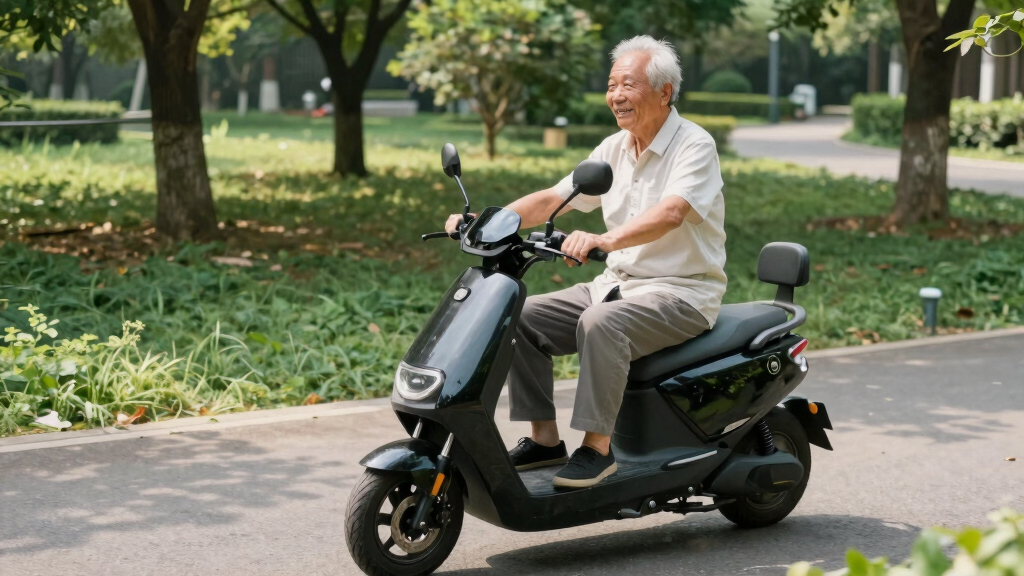

TL;DR
Listen free for 30 days with Audible
Thousands of audiobooks and originals — cancel anytime.
Start your free trialAs an affiliate, we earn on qualifying purchases.
Traveling with a mobility scooter is manageable with proper planning. Know airline policies, choose the right scooter, and research destinations for accessibility. Preparation is key to smooth journeys.
Imagine arriving at an airport, your mobility scooter folded neatly in a travel bag, ready to roll through the terminal. It’s empowering, not stressful. But traveling with a mobility scooter doesn’t happen by chance; it’s about knowing the ins and outs. Whether you’re headed to a beach resort or a bustling city, understanding how to prepare makes all the difference.
This guide breaks down what you need to know — from airline rules to destination accessibility — so you can focus on the adventure ahead. Better planning means fewer surprises and more independence on your trip.
Select a lightweight, foldable scooter with long battery life for easier travel.
Always verify airline policies and pack your scooter carefully to avoid damage.
Research your destination’s accessibility features in advance to save surprises.
Use secure straps and padded cases during transit to protect your scooter.
Stay updated on new scooter models with smart features to simplify your journey.
Travel independence briefing
Traveling With a Mobility Scooter: A Practical Guide
TL;DR: Traveling with a mobility scooter is manageable with proper planning. Know airline policies, choose the right scooter, and research destinations for accessibility so the journey feels empowering, not stressful.
Better planning means fewer surprises and more independence on your trip.
Core travel principleCompact frames simplify airports, hotel rooms, car trunks, and transfers.
Many lithium batteries below this threshold are simpler to carry onboard.
Check airline, transit, hotel, and charging details before booking.
Secure cases and tie-downs reduce damage during loading and transit.
The travel scooter decision map
Not all scooters travel equally well. The sweet spot is a model that folds quickly, weighs little enough to handle, and still has enough battery life for a full day of sightseeing.
Weight and size
Lighter and smaller models are easier to lift, store, and move through terminals. This matters most when strength, fatigue, or joint pain are part of the equation.
Battery life
Longer-lasting batteries unlock more exploration, but larger batteries may trigger stricter airline approvals. Balance range with transport rules.
Folding mechanism
A quick, reliable fold keeps connections, rideshares, and hotel arrivals smoother. Complicated mechanisms can create avoidable delays.
Portability versus power tradeoff
Top tips before you fly
Airlines differ on scooter size, battery handling, check-in procedures, and whether specific equipment travels as checked mobility equipment or cabin-approved baggage.
Verify before booking
Confirm scooter dimensions, battery capacity, removal requirements, and advance notice rules. Choose airlines with clear mobility-device procedures when possible.
Pack like it matters
Use padded cases, remove loose parts, fold the scooter if possible, and secure it so the frame and battery are protected during handling.
Map charging options
Locate charging points at hotels, airports, stations, and major attractions. Carry permitted backup power when rules allow it.
Watch newer models
Recent scooters increasingly include faster charging, safer batteries, compact folding designs, GPS, app controls, and remote diagnostics.
Which mode fits your trip?
Your best transport choice depends on distance, destination access, budget, comfort, and how much help you want with loading and transfers.
| Option | Best for | Pros | Watch-outs | Fit score |
|---|---|---|---|---|
| Air travel | Long distances and fast routing | ✓ Fast, widely available, covers major routes | ~ Size rules, battery restrictions, advance planning | Strong with prep |
| Public transit | Accessible city exploration | ✓ Affordable and often convenient in major cities | ~ Accessibility varies by platform, vehicle, and region | Variable |
| Rental van | Flexible local movement | ✓ Easy loading, custom timing, less transfer stress | ✗ Higher cost, parking needs, rental availability | Best control |
A smoother journey in five moves
Use this sequence as a practical pre-trip workflow: choose the right equipment, confirm transport rules, protect the scooter, map accessibility, and keep power available.
Select
Choose a lightweight, foldable scooter with enough range for your itinerary.
Verify
Check airline, rail, bus, ferry, and rental rules before booking.
Protect
Use padded cases, straps, removed accessories, and clear handling notes.
Research
Confirm ramps, elevators, accessible rooms, restrooms, and transit paths.
Recharge
Plan charging stops and backup options for long days or delays.
Secure the scooter like essential gear
Whether in a car, plane, or train, the goal is the same: keep the scooter still, cushioned, compliant, and easy for transport staff to handle safely.
Confirm the exact handling process with your provider.
Ask where the scooter will be accepted, how the battery should be packed, whether parts should be removed, and what labels or documentation are recommended.
- 01Remove loose parts. Baskets, mirrors, cushions, and accessories are easier to lose or damage in transit.
- 02Fold when possible. Compact shape reduces handling complexity and storage risk.
- 03Use straps and padding. Movement during transit can create mechanical damage or safety hazards.
- 04Carry documentation. Keep insurance, disability documentation, permits, manuals, and battery details accessible.
How preparation becomes independence
Accessible travel works best when each decision connects to the next: equipment, policies, packing, transport, destination access, and power planning.
Choose the Right Scooter for Travel — Here’s What Actually Matters
Not all scooters are created equal when it comes to travel. The key is finding one that balances power with portability. Look for models with lightweight frames, compact folding mechanisms, and long-lasting batteries. Imagine a scooter that folds in seconds, fits comfortably in your car trunk, and lasts through a day of sightseeing without a recharge.
For example, a popular choice is a folding travel scooter weighing around 50 pounds. It can be carried onto planes and easily stored in hotel closets or car trunks.
Consider these factors:
- Weight and Size: Lighter and smaller models are easier to handle, lift, and store, reducing physical strain and making travel more manageable. This is especially critical for those with limited strength or joint issues, as heavier scooters can cause fatigue or injury during handling.
- Battery Life: Longer-lasting batteries allow for more exploration without the need for frequent recharges. However, larger batteries often come with stricter airline regulations due to safety concerns, which can limit your options or require advance approval. Balancing battery capacity with airline restrictions is essential to avoid last-minute surprises at the airport.
- Folding Mechanism: A quick, reliable fold reduces the effort and time needed during packing, which is vital when dealing with tight schedules or multiple connections. A complicated folding process can cause delays or frustration, potentially discouraging travel plans.
Choosing the right scooter involves tradeoffs: smaller, lighter models might sacrifice some range or power, impacting your ability to navigate hilly terrain or longer distances comfortably. Conversely, larger models might be less portable but offer greater stability and battery life. Assess your travel needs carefully—prioritize what matters most for your comfort and independence. Investing time in selecting the right scooter ensures a smoother journey and greater confidence throughout your trip.

Foldable Mobility Scooters for Seniors, FSA&HSA Eligible,330LBS Capacity, Red Powered Electric Mobility Scooters, 4 Wheel Lightweight Mobility Scooters for Adults, Folding Travel Motorized Scooter
- Powerful 300W Motor: Handles varied terrain with ease
- Supports 330 lbs Capacity: Reinforced frame for durability
- Top Speed of 10 km/h: Fast and efficient travel
As an affiliate, we earn on qualifying purchases.
As an affiliate, we earn on qualifying purchases.
Top 3 Tips for Flying With Your Mobility Scooter
- Check airline policies well before booking. Different airlines have varying rules about size, battery capacity, and whether scooters are accepted as checked or carry-on luggage. Understanding these policies is crucial because non-compliance can lead to delays or even denial of boarding. For instance, some airlines require batteries to be removed, which might involve extra steps or special packing. Knowing these details in advance helps you prepare and avoid last-minute surprises that could complicate your travel plans. Additionally, being aware of restrictions allows you to choose airlines that are more accommodating, saving you time and stress during your journey.
- Pack carefully. Use padded cases or straps to protect your scooter during transit. Proper packing not only prevents physical damage but also ensures safety, especially when handling batteries, which can be sensitive to impact or temperature changes. Secure your scooter firmly in the cargo hold or cabin storage area to prevent shifting during transport—this reduces the risk of damage or safety hazards. Investing in a sturdy case with proper padding acts as a safeguard, potentially saving you from costly repairs and the inconvenience of delays. Well-packed equipment also facilitates easier handling by staff, making the entire process smoother and less stressful for you.
- Plan for charging. Knowing where charging stations are located at your destination allows you to keep your scooter powered up for daily excursions. Carry extra batteries if permitted, which provides backup in case of longer days or unforeseen delays. Planning ahead for charging not only ensures your scooter remains operational but also helps you avoid the frustration of being unable to explore because your battery is depleted. This foresight maintains your independence and flexibility, allowing you to focus on enjoying your trip without technical worries. Additionally, researching charging options in advance can reveal convenient locations, saving you time and hassle during busy sightseeing days.

37.5lb Lightweight Mobility Scooters for Seniors, Airline & Cruise Approved
- Lightweight & Compact Design: Folds in 2 steps, 37.5 lbs, fits in car trunk
- Sturdy & Portable: Supports up to 300 lbs, durable aluminum frame
- Powerful Motor & Long Range: 350W motor, 12 miles per charge, removable battery
As an affiliate, we earn on qualifying purchases.
As an affiliate, we earn on qualifying purchases.
Compare Your Transport Options — Which Fits Your Travel Style?
| Option | Pros | Cons |
|---|---|---|
| Air Travel | Fast, covers long distances, widely available | Size/battery restrictions, need to plan ahead |
| Public Transit | Affordable, accessible in many cities | Variable accessibility, limited space |
| Rental Van | Flexible, easy to load | Cost, need for parking |
Choosing the right transportation depends on your travel goals, destination, and comfort level. Air travel offers speed and convenience for long-distance trips but requires meticulous planning around size and battery regulations. Public transit can be economical and environmentally friendly, but accessibility varies widely; some cities have well-equipped systems, while others may pose challenges like narrow doorways or inaccessible platforms. Rental vans provide flexibility and ease of loading but come with higher costs and parking considerations. Your choice should balance your need for independence, budget, and the specific accessibility features of your destination. Making an informed decision involves understanding the tradeoffs—such as speed versus convenience, cost versus accessibility—and how they impact your overall experience. Carefully weighing these factors helps ensure smoother transitions between modes and a more enjoyable, stress-free journey.

Mobility Scooter R3b Travel Bag for Flight/Cruise Ultralight Weight for Travel
- Convenient Storage: Protects and transports your scooter
- Durable Material: Weather-resistant, high-quality fabric
- Custom Fit: Designed for ZiiLIF-R3b dimensions
As an affiliate, we earn on qualifying purchases.
As an affiliate, we earn on qualifying purchases.
Handling and Securing Your Scooter During Transit
Whether in a car, plane, or train, keeping your scooter safe is priority number one. When using a vehicle, secure it with straps and padding to prevent movement that could cause damage or injury. Proper securing minimizes the risk of the scooter shifting during transit, which can lead to mechanical issues or safety hazards. For air travel, remove loose parts, fold it if possible, and use a sturdy case designed for transportation. Imagine your scooter snug in its case, like a cherished piece of luggage, ready for the journey. This not only protects your investment but also simplifies handling for staff and reduces the risk of damage during loading and unloading. Proper securing also ensures compliance with safety regulations, which can vary depending on the mode of transport, helping to prevent delays or confiscation of equipment.
Pro tip: Always confirm that your airline or transport provider’s guidelines are followed for battery safety and securement. Understanding these protocols helps prevent delays, ensures compliance with safety standards, and ultimately protects you and your equipment from potential hazards or damage during transit.
Foldable Mobility Scooters for Seniors, FSA&HSA Eligible,330LBS Capacity, Red Powered Electric Mobility Scooters, 4 Wheel Lightweight Mobility Scooters for Adults, Folding Travel Motorized Scooter
- Powerful 300W Motor: Handles varied terrain with ease
- Supports 330 lbs Capacity: Reinforced frame for durability
- Top Speed of 10 km/h: Fast and efficient travel
As an affiliate, we earn on qualifying purchases.
As an affiliate, we earn on qualifying purchases.
Frequently Asked Questions
Can I take my mobility scooter on a plane?
Yes, most airlines allow mobility scooters as checked or carry-on baggage if they meet size and battery regulations. Always check specific airline policies well in advance to avoid surprises.How do I ensure my scooter is safe during transport?
Use padded cases or straps, and follow the transport provider’s instructions for securing your scooter. Removing loose parts and folding it can also prevent damage during transit.Are all destinations accessible for mobility scooter users?
Many popular destinations are improving accessibility, but it varies. Always research ahead—look for ramps, elevators, and accessible amenities to make your visit enjoyable.What should I do if my scooter breaks down during travel?
Carry basic tools and contact local repair services if needed. Having a backup plan like a portable charger or a secondary mobility device can keep your trip on track.How do I handle battery restrictions on flights?
Batteries under 100Wh typically fly without issue, but larger ones may require approval. Always carry spare batteries in your carry-on and check airline regulations before departure.Conclusion
Traveling with a mobility scooter is a journey in itself — one that rewards preparation with freedom. Think of your scooter as your trusted travel companion, ready to support your adventures.
With the right planning, your next trip can be as smooth as it is inspiring. So, pack smart, book wisely, and keep your eyes on the horizon. Your next adventure is waiting.
College move-in / dorm season Picks
dorm essentials
As an affiliate, we earn on qualifying purchases.