
TL;DR

Turn quiet afternoons into listening time
- Thousands of audiobooks, podcasts and originals
- Listen on your phone, tablet or Echo — also offline
- Cancel anytime
A Seniors Guide article published Nov. 2, 2026, recommends five ways families can personalize an older adult’s assisted living space: bring meaningful belongings, add cozy lighting and furnishings, consider plants, keep everyday items accessible, and make room for socializing. The advice is intended to help a resident feel more at home, but individual needs, facility rules and safety considerations may affect what is suitable.
Seniors Guide published a five-tip report on Nov. 2, 2026, advising families to make an assisted living space more familiar, comfortable and usable with personal belongings, cozy touches, plants, accessible storage and room for visitors. The recommendations address a move that can involve changes to routine, privacy and independence, though the report does not present them as a guaranteed way to ease that adjustment.
The article, written by Terri L. Jones, draws on comments from senior living and design professionals. It cites Julia Bailey, a senior associate and interior design project manager at Denver-based OZ Architecture, who said in an article for U.S. News & World Report that thoughtful interior design can support residents’ happiness, well-being and the functionality of a new space. The Seniors Guide report does not provide research data to quantify those effects.
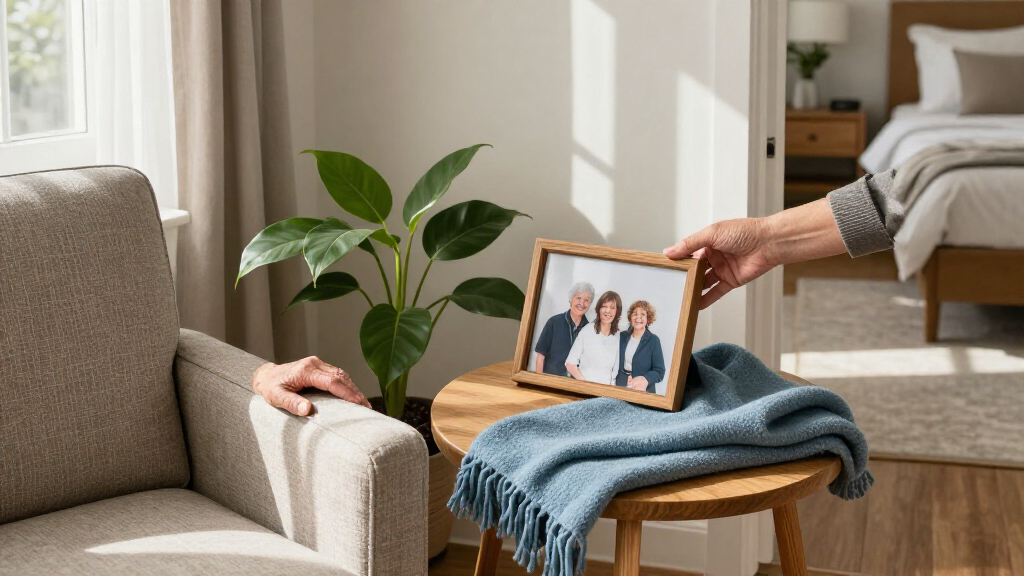
Its first recommendation is to bring items that reflect the resident’s routines and personality, such as a favorite chair, photographs, keepsakes or artwork. The report says some memory care facilities suggest families assemble shadow boxes with mementos. It also recommends letting the older adult choose which belongings to bring and where to put them, where possible.
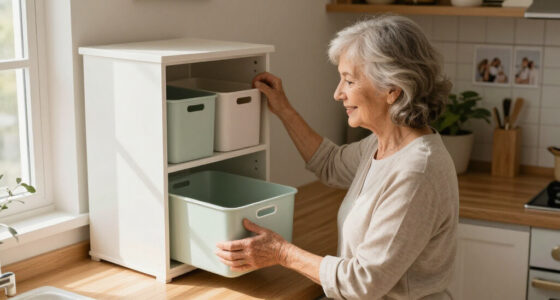
For comfort, the article suggests lamps instead of relying only on overhead lighting, with dimmers as an option when overhead lights are needed. Throws and accent pillows can make a room feel more personal. The remaining tips are to consider plants, place frequently used objects within easy reach, avoid overfilled closets and drawers, and set aside space for visits, meals, hobbies or activities such as crafts and puzzles.
Making a New Room Feel Personal
The recommendations focus on everyday features that can affect how a resident uses a new room: whether familiar objects are nearby, lighting feels comfortable, and there is space to spend time with other people. They also recognize that a move may mean leaving a familiar home and adapting to a different level of privacy or independence.
For families planning a move, the practical point is to involve the older adult in decisions rather than treating the room as a decorating project done for them. Personal choice and access to daily necessities are central to the article’s advice. The report offers general suggestions, not an individualized assessment of a resident’s mobility, health, preferences or facility requirements.
Products Worth Considering

Levoit Vital 200S-P Smart Air Purifier for Large Rooms up to 1875 ft²

PHILIPS Hue Smart LED Candle Light Bulb, B39, E12, 2-Pack

Bose SoundLink Flex Bluetooth Speaker (2nd Gen), Waterproof, Dustproof, USB‑C, Up to 12 hr Battery, Black
As an affiliate, we earn on qualifying purchases.
Advice Reissued From 2022
The article is presented as a Seniors Guide report dated Nov. 2, 2026, but its editor’s note says it was originally published in May 2022. The source material does not explain what prompted the later publication date or whether the advice was revised for the newer edition.
The report discusses assisted living along with other unfamiliar living arrangements, including senior apartments and nursing homes. It frames personalization as one way to make a new space feel more familiar, while acknowledging that moving can be emotionally difficult for older adults and their families. Its suggestions are not described as formal standards or as a substitute for a community’s own safety and furnishing policies.
“Those things should come with you.”
— Kristy Ruppe Craddock, chief sales and marketing officer at Commonwealth Senior Living
Personal Needs and Rules Vary
The report does not say whether any of the five recommendations have been tested together or how much they affect residents’ adjustment. It also does not specify which belongings, plants, lighting changes or furniture are permitted in particular communities. Facility policies and the resident’s individual needs may shape what can be brought in or rearranged.
The advice on plants and lighting is general: the source does not discuss plant care needs, allergies, trip hazards, electrical restrictions or particular accessibility requirements. Families may need to check with staff before making changes. The article also gives no explanation for its 2026 publication date despite the note that it first appeared in 2022.
Plan the Room With the Resident
The report does not announce a follow-up, policy change or further research. For families preparing for a move, its recommendations point to a practical next step: ask the resident which belongings and activities matter most, then confirm the community’s rules and discuss any access or safety concerns with staff before arranging the room.
As the resident settles in, families and staff can see whether frequently used items are easy to reach and whether the room supports visits and daily routines. Any changes should reflect the resident’s preferences and the requirements of the living community.
Key Questions
What are the five tips in the Seniors Guide report?
The report recommends bringing meaningful personal belongings, adding cozy touches such as lamps and throws, considering plants, keeping everyday items accessible, and making space for visitors or hobbies.
Should a resident choose what goes into the room?
Yes. The report recommends allowing the older adult to choose which personal items to bring and where to place them, when possible. It says familiar belongings can help a new space reflect the resident’s personality and routines.
Does the article say personalization will make the move easier?
It presents personalization as a way that may help make an unfamiliar space feel more welcoming. The report does not provide measured evidence or guarantee that these changes will ease a particular person’s adjustment.
Can families bring any furniture or plants they want?
The report does not address specific community rules. Families should check with the assisted living community before bringing in furniture, plants or lighting and discuss any individual access or safety needs with staff.
Source: seniorsguide.com