
TL;DR

Turn quiet afternoons into listening time
- Thousands of audiobooks, podcasts and originals
- Listen on your phone, tablet or Echo — also offline
- Cancel anytime
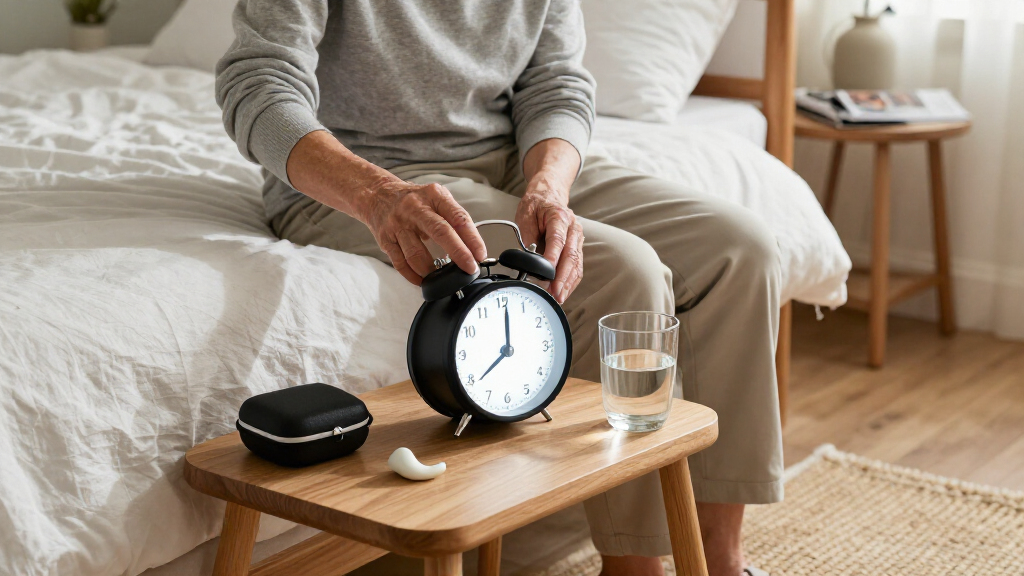
An amplified alarm clock combines a louder audible alarm with options such as a bed shaker or flashing light. Start by matching the alert to what the sleeper can notice, then check controls, display, schedules, power backup, and placement; no single volume or feature works for everyone.
A clock can rattle the nightstand and still fail to wake the person who needs it. When you’re choosing an amplified alarm clock, the useful question is not simply how loud it gets. It’s whether the sleeper can notice its alert, reach the controls, and count on the settings each morning.
An amplified alarm clock combines a loud audible alarm with features designed to make waking easier, such as a bed shaker or flashing light. Models vary: one may suit a light sleeper who shares a room, while another may better fit someone who prefers a bright display and a strong sound. This guide walks you through the features that matter, practical tradeoffs, and questions to ask before buying.
You’ll also see why a bed’s position, the display’s glow, and a backup battery can change how useful the clock feels. Think of the right choice like a well-placed bedside lamp: it should work for the person and the room, without making mornings harder for anyone else.
Start with the alert the sleeper can notice and tolerate: sound, vibration, light, or a combination.
Compare stated volume, tone choices, shaker strength, placement instructions, and cord reach; “amplified” has no universal volume threshold [1].
Check display brightness, control labels, and button operation from the sleeper’s actual bedside position.
Verify alarm schedules and what battery backup preserves; backup may not run every alert feature during an outage [1].
Treat waking clocks and life-safety alert systems as separate needs.
A practical bedside buying guide
Choosing an Amplified Alarm Clock
The best clock is not simply the loudest. Match the alert to what the sleeper can notice and tolerate, then check how the controls, display, schedule, backup power, and bedroom setup work in real life.
01 / Choose the signal
Start with what the sleeper can notice
A feature only helps if the sleeper can perceive it in their room. Think about comfort and placement alongside the product specifications.
Audible cue
Sound
Compare volume range and tone choices. A tolerable tone is more useful than a maximum setting the sleeper wants to turn down.
Tactile cue
Bed shaker
Check strength, placement instructions, and cord reach. Mattress type and position can affect how clearly vibration is felt.
Visible cue
Flashing light
Check brightness, visibility from bed, and whether it can be switched off. Light may be less useful if it is out of view.
Multiple cues
Combination
Confirm which signals can run together and whether each has separate adjustments. Extra settings need to be configured and checked.
“Amplified” has no universal volume threshold for alarm clocks. Manufacturers may report sound levels differently or omit comparable measurements, so treat a number as a comparison point—not a guarantee.
02 / Five-step check
Work through the bedside setup
Use the sleeper’s actual routine and room to decide whether the clock will be comfortable, reachable, and dependable each morning.
Match the alert
Ask which cues the sleeper notices and can comfortably use.
Check sound
Compare stated range and tones; consider a nearby partner.
Place the shaker
Review pad position, bed fit, and cord reach to avoid awkward setup.
Test access
Read the display and operate labeled buttons from bed.
Verify routine
Check schedules, snooze, power needs, and backup behavior.
03 / Compare tradeoffs
What each choice may mean
A good fit balances reliable attention with comfort for the sleeper and anyone sharing the room.
| Feature | Potential benefit | Check before buying |
|---|---|---|
| Adjustable sound | Choose a tone and level the sleeper can notice. | Stated levels may not compare directly across brands. |
| Bed shaker | Adds a tactile cue that may be less disruptive nearby. | Strength, mattress placement, and cord length matter. |
| Display and controls | Large, high-contrast labels can make sleepy setup easier. | Check dimming, time format, and visibility from bed. |
| Schedules and snooze | Separate alarms can fit weekday and weekend routines. | Verify the exact schedule options on that model. |
| Backup power | May preserve time and alarm settings during an outage. | Battery backup may not run every alert feature. |
04 / Room and routine
Small details change the experience
Consider where the clock and shaker will live, how the room is shared, and what happens when power or settings change.
Map the bedside
Distance, furniture, bedding, and room noise can change how an alert reaches the sleeper. Place the shaker where its sensation transfers through the bed, keep its cord within reach, and position the display where it is easy to read without unwanted glow.
Alert placement · display view · control reach · cord path
Plan for daily use
Check mains or battery power, USB charging if needed, weekday and weekend alarms, snooze options, and exactly what backup preserves. Reviews and a clear return policy can help surface issues such as weak vibration or settings that reset unexpectedly.
- Test buttons and labels from the sleeper’s normal position.
- Confirm the display can dim to a comfortable level.
- Read the manual for backup behavior during an outage.
05 / Keep needs distinct
A waking clock is not a life-safety alarm
Choose an everyday alarm for waking. If someone may not hear smoke, carbon monoxide, or other life-safety alarms, investigate suitable accessible alerting systems separately.
Start with the alert the sleeper is most likely to notice
Choosing an amplified alarm clock starts with the alert the sleeper can notice reliably and comfortably: sound, vibration, light, or a combination. An amplified clock combines a loud audible alarm with features designed to offer more than one waking cue, but no particular combination suits everyone [1]. Each cue depends on a different route to attention: sound must be heard, a shaker must transfer vibration through the bed, and light must be visible. That distinction matters because a feature can look impressive on a box yet add little if the sleeper cannot perceive it in their actual room.
Consider what happens in the actual bedroom. If Maya’s partner wakes easily from sound while Maya sleeps through an ordinary alarm, a bed shaker may be worth considering. It could make the alert more personal, but it still needs to be strong and well placed enough for Maya to feel it. If she also wants an audible cue, a model that lets her pair sound and vibration gives her another signal if one is missed. A flashing light can add a visible cue, but only if she can see it from bed; daylight, closed eyes, or a lamp facing away can limit its usefulness.
Each option has tradeoffs. A louder sound may reach the sleeper more reliably but wake a nearby partner. A shaker may reduce that disruption, yet it can be hard to notice if it sits in the wrong place or the bedding dampens the vibration. Light avoids sound but may be ineffective when the sleeper cannot see it clearly, and a bright flash may feel intrusive. Combining cues provides more ways to notice the alarm, while adding settings that must be configured and checked. Some newer clocks offer separate adjustments for sound, vibration, and light, but verify the exact model rather than assuming every clock has them [1].
Before comparing product features, ask the sleeper which signals they notice now and which feel acceptable. If that is uncertain, try a preferred alert during a normal bedtime routine and ask how it felt, rather than deciding for the person based only on specifications. Comfort affects whether someone keeps using the alarm: a cue that feels unpleasant may lead them to lower it, disable it, or dread bedtime. A comfortable cue that the sleeper can detect may be more dependable in daily life than chasing the loudest setting.
- Sound: Compare adjustable volume and tone choices. A tolerable tone is more useful for regular use than a maximum setting the sleeper wants to turn down.
- Vibration: Check the shaker’s strength, placement instructions, and cord reach. Its location determines whether the sensation reaches the sleeper and whether setup creates a trip hazard.
- Light: Check its brightness, position, and whether you can switch it off. The signal needs to be visible without making the room uncomfortable.
- Combination: Confirm that the alerts can run together and that each has the settings you need. Separate adjustments let you balance wake-up needs with a partner’s sleep.
Products Worth Considering

Philips Hue Large Smart Light Tube, Black – White and Color Ambiance LED Color-Changing Light – 1 Pack

Philips Hue Bridge Pro Smart Lighting Hub

Ring Battery Doorbell (1st Gen), 2-Pack, Satin Nickel
As an affiliate, we earn on qualifying purchases.
Compare the sound by range, tone, and real bedroom use
An amplified alarm clock’s sound is only useful if the sleeper can hear it comfortably; the biggest volume number alone cannot tell you that. “Amplified” has no universal volume threshold across alarm clocks, and product descriptions may use different measurements or leave comparable sound data out [1]. This makes a simple ranking unreliable: a stated level may not predict how loud an alarm seems from the pillow, behind furniture, or amid other bedroom noise. The number is a starting point for comparison, not a promise about the experience.
When you review specifications, look for a stated volume range and adjustable tones or pitches. A person may notice one tone more easily than another, so tone choice can matter as much as the maximum setting. For instance, if a sharp beep feels unpleasant but a lower tone is easier for the sleeper to tolerate, the adjustable option can support consistent use. The useful range is one that includes a setting the sleeper can detect without making the sound painful or prompting them to disable it. If a model offers only one tone, consider whether that sound is likely to remain acceptable over time.
Think about where the clock will sit, too. A clock tucked behind a tissue box or across a large bedroom may sound different at the pillow than it does from a bedside chair. Furniture, distance, and room layout can affect how clearly the sound reaches the sleeper, while also changing how much it carries to a partner or another room. Compare the stated specifications and look for independent testing where available; neither a product label nor a single number can show exactly how an alert will work for a particular sleeper [1].
If you share a room, consider the effect of each setting on the other person’s sleep. A quieter preferred tone paired with vibration may be a better compromise than turning volume to its highest setting, provided the sleeper can still notice the cue. It is useful to weigh this tradeoff before buying because a sound that wakes one person but repeatedly disrupts another may not suit the household’s routine. If hearing needs are uncertain, a qualified hearing professional can help with decisions about alerting devices; this guide is not a medical assessment.
Key point: The useful alarm is one the sleeper can perceive and tolerate. Compare tone and alert combinations alongside any stated volume, and consider how placement affects both the sleeper and anyone nearby.
Check where the bed shaker sits and how it reaches the bed
A bed shaker can add a tactile alert when sound alone is unreliable or would disturb a partner, but its usefulness depends on both strength and placement. Shakers vary, and a thick mattress, an unsuitable location, or a cord that falls short can make the setup less practical [1]. The vibration has to travel from the pad through the bedding to the sleeper’s body, so choosing a clock with a shaker does not guarantee the sleeper will feel it. This is why the location and bedding are part of the feature, not minor setup details.
Picture a sleeper whose bed sits against a wall and whose clock rests on the far nightstand. Before buying, measure the route from the clock to the place where the pad is meant to sit. Then check the manufacturer’s directions for whether that model belongs under a pillow, beneath a mattress, or somewhere else; placement guidance differs by product. A cord that barely reaches may pull the pad out of position as the bed is made, while routing it across a walking path can create a daily nuisance or safety concern. Measuring first helps prevent buying a feature that is awkward to use in the actual room.
A pad that fits neatly in the intended spot may be less likely to slide away during the night. Still, the sleeper’s own sensitivity matters: a shaker noticeable to one person may not be enough for another. The mattress and bedding affect how the sensation carries, which is why the actual arrangement matters more than the shaker’s presence on a feature list. A return policy can provide room to assess whether the setup works for the sleeper, since hearing and sleep needs vary [1].
For example, a family caregiver could place the clock on the usual nightstand, follow the placement instructions, and check that the cord does not cross the walking route beside the bed. That setup check can reveal a practical mismatch before the first weekday morning. If the vibration is too faint, disruptive, or difficult to position reliably, compare it with sound or light options rather than assuming every shaker works the same way. A second cue may provide flexibility, but it should be tested with the sleeper so it does not add discomfort or unnecessary disturbance.
Choose controls and a display that are easy to use before sunrise
The best bedside controls are the ones the sleeper can read and operate while tired, without hunting across a row of tiny buttons. Large, high-contrast controls and a clear display can help people with low vision or limited dexterity, while simple setup and clear labels matter when you adjust an alarm half-awake [1]. This affects more than convenience: if setting or stopping the alarm takes several uncertain steps, the sleeper may rely on someone else or accidentally change a setting that matters the next morning.
Check the display from the bed, not only from a bright shop floor or a product photo. A large digital time may be easier to spot at a glance, but a bright display can bother someone who prefers a dark room. Some clocks offer several brightness levels; verify whether the display can dim far enough or turn fully off if that matters to the sleeper [1]. The tradeoff is personal: a display bright enough to read easily may make the room less comfortable for sleep, while a very dim display may be hard to see without sitting up. Checking at the intended viewing distance helps find a setting that works for both needs.
Consider the buttons that get used most: setting the time, changing the alarm, adjusting the sound, and stopping snooze. A caregiver helping a parent might find a short setup routine easier to teach than a clock with unlabeled controls and several hidden modes. For someone with limited dexterity, buttons that are easy to press and distinguish by touch can reduce missed presses and accidental changes. The aim is a setup the sleeper can understand and manage, with assistance if they want it; a familiar routine makes it easier to check or adjust the alarm without undoing other settings.
Before choosing, compare the display’s brightness controls, time format, and visibility at the intended bedside distance. The same model may suit one person’s room and feel glaring in another. A quick evening check can answer a practical question: can the sleeper read the time, then return to a dark, comfortable room? Testing at the actual viewing distance also reveals whether larger numbers or a different placement would help, before the clock becomes part of the daily routine.
- Look for clear labels and controls that are easy to distinguish. This helps reduce mistakes when the sleeper is tired.
- Check whether the display can dim enough for the sleeper’s preference. Brightness that supports reading should not make the room uncomfortable.
- Confirm that key alarm settings are accessible without a complicated sequence. A simple routine is easier to repeat and teach.
Match alarms, snooze, and power backup to the weekly routine
Alarm schedules and backup power matter because the clock has to fit the household’s routine and remain useful when circumstances change. Some models support multiple alarms, weekday and weekend schedules, or adjustable snooze; others offer only one setting, so check the exact model’s schedule options [1]. Extra schedules are useful when people have different wake-up times or days off. If no one needs them, they can make setup harder: a schedule left active by mistake may sound at the wrong time or fail to provide the expected alert.
Imagine two people who share a bedroom: one gets up early for work, while the other sleeps later. Separate alarms may help, but only if the clock supports the required days and settings. The early alarm’s sound or shaker could still disturb the second person, so schedule flexibility does not by itself solve the shared-room problem. If the household has one daily wake-up time, a single clear alarm may be simpler and easier to verify than several unused schedules.
Power deserves the same close look. A clock may use mains power, batteries, or both, and a battery backup may preserve the time and alarm settings without powering every alert feature. Read the instructions to see what the backup actually does. If a storm knocks out electricity overnight, the display, sound, or shaker may behave differently depending on the design [1]. Knowing which functions remain active helps you decide whether the backup protects the part of the routine that matters most. If it preserves settings but cannot operate the alert the sleeper relies on, the household may need another plan for outages.
USB charging and app control can be handy extras, but they can affect where you place the clock or how much setup it needs. Wireless features may depend on connectivity, and product capabilities vary. Put the required schedule, suitable power arrangement, and usable controls first. Then consider whether a charging port or app solves a real bedside need; an extra feature has value when it fits the routine without making the alarm harder to set or depend on.
Use this five-step check before you choose a model
To choose an amplified alarm clock, match the alert to the sleeper, check its setup in the bedroom, then confirm controls, schedule, and power details. Working through those points in order makes it easier to compare models that use similar words in their descriptions but offer different practical features [1]. It also helps prioritize: there is little value in comparing app features before confirming that the sleeper can perceive and comfortably use the main alarm cue.
- Name the likely alert: Decide whether the sleeper wants sound, vibration, light, or a combination. Use what they notice and prefer as your starting point. This keeps the choice centered on an alert the person is willing to use.
- Check sound and shaker details: Compare the stated volume range and tone adjustments; if the model has a shaker, read how it should be placed and measure cord reach. These details affect whether the signal reaches the sleeper and fits safely beside the bed.
- Test the bedside view: Consider the display’s size, brightness settings, and visibility from where the sleeper rests. A display that looks clear in a listing may be hard to read from the pillow, while one that is easy to see may be too bright for sleep.
- Match the controls to the routine: Confirm the number of alarms, day-of-week options, snooze features, and whether the sleeper can make common adjustments easily. Choosing only the schedule options the household needs can reduce setup mistakes.
- Read power and return details: Check what battery backup preserves, what runs during an outage, and the seller’s return terms in case the alert or controls do not suit the person. The backup may protect time and settings without running every alert, so the manual helps set realistic expectations.
Here’s how the steps might work for a couple with different wake-up times. They could first ask the early riser whether vibration may be less disruptive, then confirm that the shaker cord reaches the bed and the model supports separate schedules. They would also check whether the vibration itself disturbs the other sleeper. That turns a broad search into a short list tied to the bedroom and routine, and can expose a tradeoff that a feature list alone would miss.
Keep the sleeper involved whenever possible. A family member can read specifications and measure distances, while the person who will use the clock chooses the alert, display brightness, and button layout that feel comfortable. That shared approach respects preferences and makes it more likely the clock will fit the morning routine, rather than leaving the person with settings chosen only for convenience.
Keep waking alerts separate from life-safety alarms
An amplified alarm clock is for waking; it is not a substitute for smoke, carbon monoxide, or other life-safety alarms. People who may not hear those alarms should investigate appropriate accessible alerting systems separately [1]. A clock’s scheduled alarm and a safety alarm serve different purposes, so relying on one for both could leave a gap when the clock is not set to sound.
This distinction matters in an ordinary home, not just in an emergency plan. A bedside clock might offer vibration or flashing light when its alarm is scheduled, while a safety alarm serves a different purpose. A family should not assume that a clock’s extra alert features will connect to or respond to a smoke or carbon monoxide alarm unless a specific system is designed and confirmed to do that.
If you are helping someone who has trouble hearing household alarms, discuss suitable alerting options with a qualified professional or relevant local safety service. The right setup depends on the home and the person’s needs, so this article cannot prescribe one. For example, a caregiver moving a parent into a new apartment can list waking alerts and life-safety alerts as separate items to ask about during planning.
That separation helps keep expectations clear: the clock supports a morning routine, while life-safety equipment needs its own appropriate solution. Choose an amplified clock for the waking job it is designed to do, and handle any questions about safety alerts through the right channel.
Frequently Asked Questions
How loud should an amplified alarm clock be?
There is no single best volume, and “amplified” does not have one universal threshold across alarm clocks [1]. Compare the stated volume range, adjustable tones, and other alerts, then focus on what the sleeper can notice comfortably.
Is a bed shaker better than a loud alarm?
It depends on the sleeper and bedroom. A shaker may help when sound alone is unreliable or when a partner should not be disturbed, but strength, placement, mattress type, and the sleeper’s sensitivity all matter [1].
Can I use an amplified alarm clock with hearing aids?
Often, but the result depends on the hearing aids, alarm tone, room, and wearer. A vibration or light alert can offer another cue; if you need help deciding about alerting devices, ask a qualified hearing professional.
Will a bed shaker work under a mattress or pillow?
Follow the manufacturer’s placement instructions for the specific model. A thick mattress or incorrect placement may reduce the sensation, so check the directions and cord reach before settling on a bedside location [1].
Will the clock still work during a power outage?
That depends on its backup design. Some clocks use batteries to preserve time and alarm settings but may not power the shaker or every alert feature, so check the manual for what remains active [1].
Can two people set different wake-up times?
Some clocks support multiple alarms or weekday and weekend schedules, while others provide only one alarm. Verify the exact model’s number of alarms and day options against the household’s routine [1].
Can the display be dimmed or switched off?
Display controls vary by model. Check whether the brightness can dim enough for the sleeper, and whether it can turn fully dark if light in the room bothers them [1].
Will an amplified alarm clock wake someone with profound hearing loss?
No clock can guarantee that. A combination of vibration and visual alerts may be worth considering, along with advice from a qualified hearing-care professional about suitable alerting devices [1].
Conclusion
Choose the clock around the sleeper’s actual morning: the alert they notice, controls they can use, display they can live with, and schedule the household needs. Check the shaker’s placement and cord, and read exactly what the backup battery supports before you decide.
Then let the person who will use it have the final say on comfort. A good bedside alarm should make the morning clearer, like a steady light at the edge of a dark room.