
TL;DR

Turn quiet afternoons into listening time
- Thousands of audiobooks, podcasts and originals
- Listen on your phone, tablet or Echo — also offline
- Cancel anytime
LumiMind’s LumiSleep D1 combines a forehead EEG headband with audio that adapts to detected brain activity during a wind-down session. The company says it is designed for bedtime, returning to sleep after waking, and daytime naps; it is not a diagnostic or therapeutic medical device, and improved sleep is not guaranteed.
LumiMind’s LumiSleep D1 pairs a wearable EEG headband with audio that adapts to brain activity, according to a report by Athletech News. The device is designed to support wind-down routines at bedtime, after overnight waking and during daytime naps, including after evening training; the report does not provide independent evidence that it improves sleep outcomes.
The headband uses a seven-point soft dry-electrode array on the forehead to collect EEG signals without conductive gel or disposable materials. LumiMind says the device processes those signals locally and adjusts a low-frequency rhythmic pulse in real time. Users select a background soundscape, such as rain or tonal music, through the LumiMind app; the adaptive rhythm is generated separately in response to detected brain activity.
The company calls its system Real-Time Neural Coupling Modulation and says it identifies a brain-activity pattern associated with the shift from wakefulness toward sleep. It describes a continuous monitor, decode and generate process, with millisecond-level responsiveness. Those technical performance details are claims from LumiMind as presented in the report, rather than independently assessed findings.
For a session, users position the headband, choose audio and start the device. They may remove it when drowsy or after about 30 minutes, or continue wearing it to monitor the transition into sleep. Overnight wear also enables ReSleep, a screen-free function that uses monitoring from the night to generate a matched track after waking. The report says the device can also be used for daytime rest.
A Wind-Down Option After Training
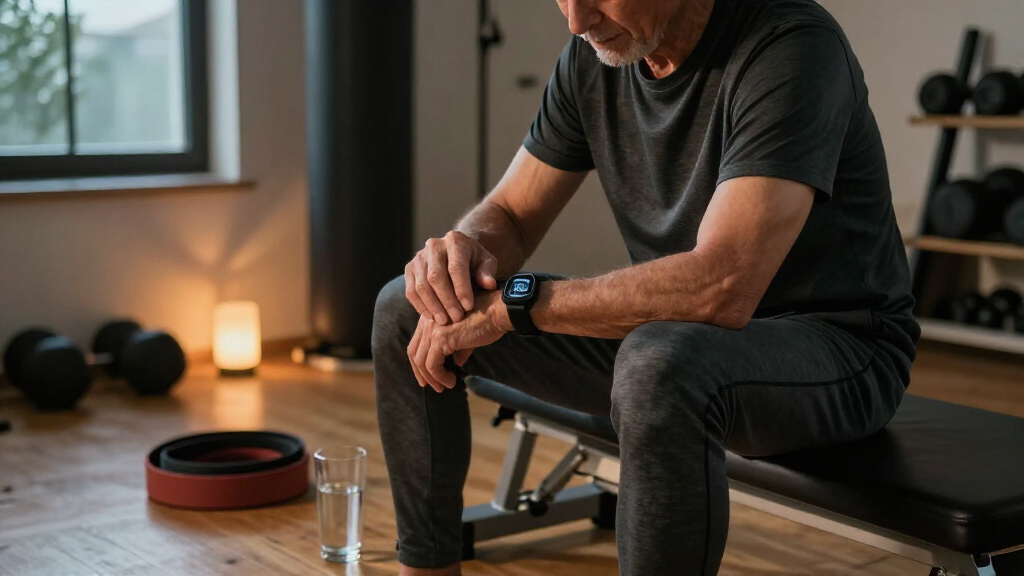
The product is aimed at a common practical problem for people who exercise late: feeling physically tired while remaining alert at bedtime. LumiSleep D1’s proposed role is to provide adaptive audio without requiring users to read sleep data or adjust the sound themselves. That could make it easier to add a device-based wind-down routine at home or while traveling, though the report offers no comparative trial results or user outcome data to show whether it works better than ordinary audio or other routines.
The approach also shifts the product’s emphasis from recording sleep information to responding during a session. For readers considering it, the distinction matters: EEG monitoring and personalized sound are product functions, not proof of a clinical benefit. LumiMind states that the headband is not intended as a diagnostic or therapeutic medical device and does not guarantee improved sleep.
Products Worth Considering

Dyson V8 Cyclone Cordless Vacuum

Ring Outdoor Cam 4K Plus Battery Security Camera, 3-Pack, White

Philips Hue Large Smart Light Tube, Black – White and Color Ambiance LED Color-Changing Light – 1 Pack
As an affiliate, we earn on qualifying purchases.
From Sleep Tracking to Adaptive Sound
The report presents LumiSleep D1 as a consumer neurotechnology device combining two audio layers. SubTone is a user-selected ambient soundscape, while AuthenticBeats is a rhythmic pulse generated in response to EEG changes. The company says the latter targets a sleep-onset pattern as the wearer unwinds.
Audio processing and generation take place on the headband, according to LumiMind, so the session does not rely on a phone or cloud connection after setup. The app is used to choose a soundscape and manage the experience. The design includes a cushioned over-ear structure and an elastic headband intended to remain in place when users turn in bed. The report notes design awards, but it does not provide independent testing of comfort or performance.
““millisecond-level responsiveness””
— LumiMind, as described in the Athletech News report
Sleep Benefits Remain Unverified
The source does not report clinical study results, comparative testing, or measured effects on time to fall asleep, sleep duration or sleep quality. Whether EEG-guided audio improves sleep, and for whom, remains unclear from the material provided. It also does not specify the product’s price, shipping schedule, regulatory status beyond the company’s stated intended use, or whether the cited Kickstarter campaign is currently active.
The report describes technical features and intended use largely through LumiMind’s product information. It does not establish that the device can diagnose sleep conditions or treat them; the company explicitly says it is not intended for those purposes.
Availability and Evidence to Watch
Readers interested in the device can check LumiMind’s website or the Kickstarter campaign cited by Athletech News for current campaign and availability information. The source does not state a next launch milestone or a date for fulfillment.
Further reporting could clarify pricing, delivery timing and whether independent studies assess the system’s effects. Until such evidence is available, LumiSleep D1 is best understood from this report as a consumer headband offering EEG-responsive audio for sleep routines, with sleep benefits not established in the cited material.
Key Questions
What is LumiSleep D1?
It is a LumiMind headband that collects forehead EEG signals and pairs them with audio that the company says adapts in real time. The product is described as supporting bedtime wind-down, returning to sleep after waking and daytime naps.
How does its audio work?
Users select a background soundscape in the app. A separate low-frequency rhythmic pulse, which LumiMind calls AuthenticBeats, is generated in response to detected brain activity, according to the report.
Can it be used after a workout?
The report describes it as an option for a bedtime wind-down after an evening workout. It does not provide evidence that using it after training improves sleep or recovery.
Does LumiSleep D1 treat sleep problems?
No such benefit is established in the source. LumiMind says the device is not intended as a diagnostic or therapeutic medical device, and improved sleep outcomes are not guaranteed.
When can users remove the headband?
The report says users can remove it when they feel drowsy or after approximately 30 minutes, or keep it on to monitor the transition into sleep. ReSleep is available only after overnight wear.
Source: rss