
TL;DR

Turn quiet afternoons into listening time
- Thousands of audiobooks, podcasts and originals
- Listen on your phone, tablet or Echo — also offline
- Cancel anytime
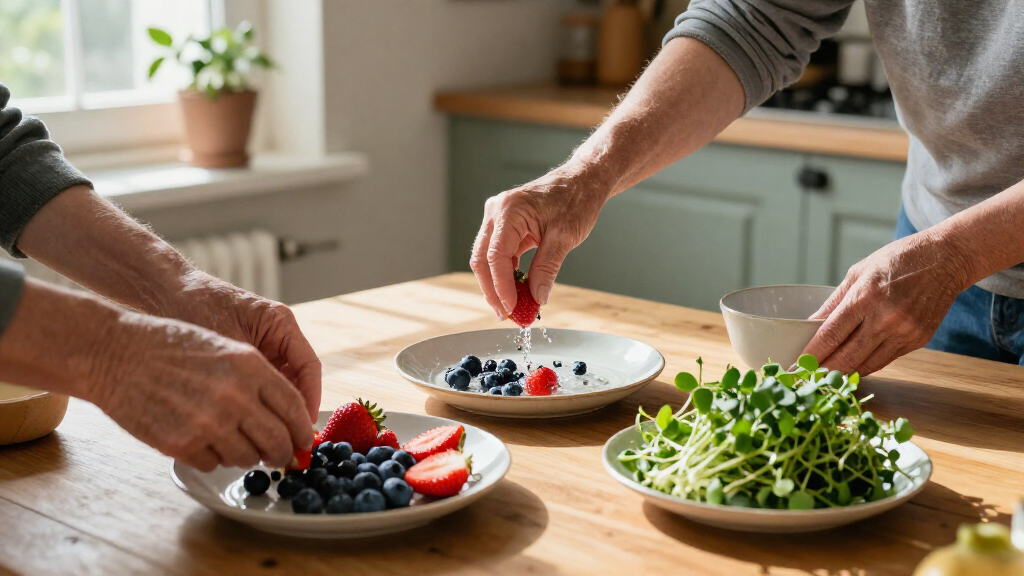
A Seniors Guide report republishing advice from Environmental Nutrition describes fruit and microgreens as practical additions to a healthy daily diet. It recommends favoring whole fruit and using microgreens as a flavorful extra, while noting they should not replace full servings of vegetables.
Seniors Guide has published nutrition guidance from Environmental Nutrition on using fruit and microgreens in everyday meals, recommending whole fruit and describing microgreens as an add-on rather than a replacement for vegetables. The report outlines their nutrients and offers practical serving suggestions, but it is nutrition guidance, not a new clinical study or a change to dietary recommendations.
Registered dietitian Heidi McIndoo, writing for Environmental Nutrition, says fruit supplies carbohydrates for energy, as well as fiber, vitamins, minerals and phytonutrients. The report describes phytonutrients as plant substances that may support health. It gives watermelon’s lycopene as an example, saying the compound may benefit heart health and is linked to a lower risk of certain cancers. Those points are presented as general nutrition information, not as guarantees of a health outcome.
The article recommends planning to include whole fruit with meals and choosing whole fruit most of the time instead of juice, since juice does not provide the same fiber. For occasional juice, it advises choosing 100% fruit juice and limiting the amount to no more than eight ounces a day. It also says frozen or canned fruit can be nutritious choices when selected without added sugars, sauces or syrups.
In a separate answer about microgreens, Environmental Nutrition describes them as young vegetables and herbs, including radish, kale and broccoli, harvested after their first leaves appear. Some varieties, including amaranth and cilantro, may contain higher levels of certain nutrients than their mature counterparts, the report says. Suggested uses include salads, sandwiches, soups, grain bowls and blended dressings or pesto.
Simple Ways to Add Produce
The advice focuses on options people can use across different meals and budgets: fresh, frozen or canned fruit, plus small portions of microgreens added to familiar dishes. Choosing unsweetened canned or frozen fruit can make fruit easier to keep on hand, while whole fruit offers fiber that is lost when fruit is juiced.
For readers considering microgreens, the report draws a boundary around their role. They can contribute flavor and nutrients, but should not replace full servings of vegetables. That distinction matters because claims that a particular food is nutrient-dense can otherwise be mistaken for a reason to substitute it for broader dietary variety.
The recommendations also distinguish naturally occurring fruit sugars from added sugars in products such as soft drinks and candy. The source says its warning about limiting sugar concerns added sugars, not naturally occurring sugars in fruit. Individual dietary needs may vary, and the article does not offer personalized medical guidance.
Products Worth Considering

Ring Battery Doorbell (1st Gen), 2-Pack, Satin Nickel

Ring Floodlight Cam 2K Wired Security Camera, 3-Pack, Black

Ring Outdoor Cam 4K Plus Battery Security Camera, 3-Pack, White
As an affiliate, we earn on qualifying purchases.
What the Nutrition Report Covers
The material appeared in a Seniors Guide article titled “Healthy Eating Fruits and Microgreens,” which credits Environmental Nutrition for the nutrition guidance. Its fruit section is by McIndoo, identified as an MS and registered dietitian; the microgreens question-and-answer section is credited to Environmental Nutrition staff.
The report refers to a general target of five to nine servings of fruits and vegetables per day. It does not cite a specific authority or explain how serving needs vary by person. Its microgreens discussion refers broadly to research suggesting that nutrient levels differ by variety; it does not identify a particular study, sample size or measure of nutrient content.
“While they shouldn’t replace full servings of vegetables, they can help boost overall nutrient intake.”
— Environmental Nutrition staff
Limits of the Evidence Presented
The article does not provide the underlying studies behind its comparison of nutrient levels in microgreens and mature plants, so readers cannot assess the varieties tested, the size of the differences or whether the findings apply across growing conditions. It also does not quantify how much microgreens contribute to a person’s daily nutrient intake.
The five-to-nine-serving target is given without a cited source or detail on serving size. The report does not address how fruit or microgreen recommendations may differ for people with specific health conditions, allergies or dietary requirements. Its broad statements should not be read as individualized medical advice.
Putting the Suggestions Into Practice
The report does not announce a new study, policy change or follow-up publication. Its practical guidance is to build fruit into meals, choose whole fruit often, check labels for added sugars in canned or frozen products, and use microgreens in dishes where their flavor fits.
Further evidence would be needed to compare particular microgreen varieties with mature vegetables or to determine the size of any health effects. Readers making food choices for a medical condition can discuss their needs with a qualified health professional.
Key Questions
What are microgreens?
Microgreens are young vegetables and herbs harvested shortly after their first leaves develop. The report gives radish, kale and broccoli as examples.
Can microgreens replace vegetables?
No. Environmental Nutrition says they may add nutrients and flavor, but should not replace full servings of vegetables.
Is canned or frozen fruit a nutritious option?
The report says canned and frozen fruit can be nutritious choices when selected without added sugars, sauces or syrups.
Why does the report favor whole fruit over juice?
Whole fruit provides fiber that is missing from juice. For occasional juice, the report recommends 100% fruit juice and no more than eight ounces per day.
Does the article report a new nutrition study?
No. It presents nutrition guidance and refers generally to research on microgreens, but it does not identify a new study or provide its methods and results.
Source: rss