
TL;DR
Listen free for 30 days with Audible
Thousands of audiobooks and originals — cancel anytime.
Start your free trialAs an affiliate, we earn on qualifying purchases.
Scientists have created an at-home testing kit to identify infected ticks. This innovation aims to improve early Lyme Disease detection, but further validation is needed before widespread use.
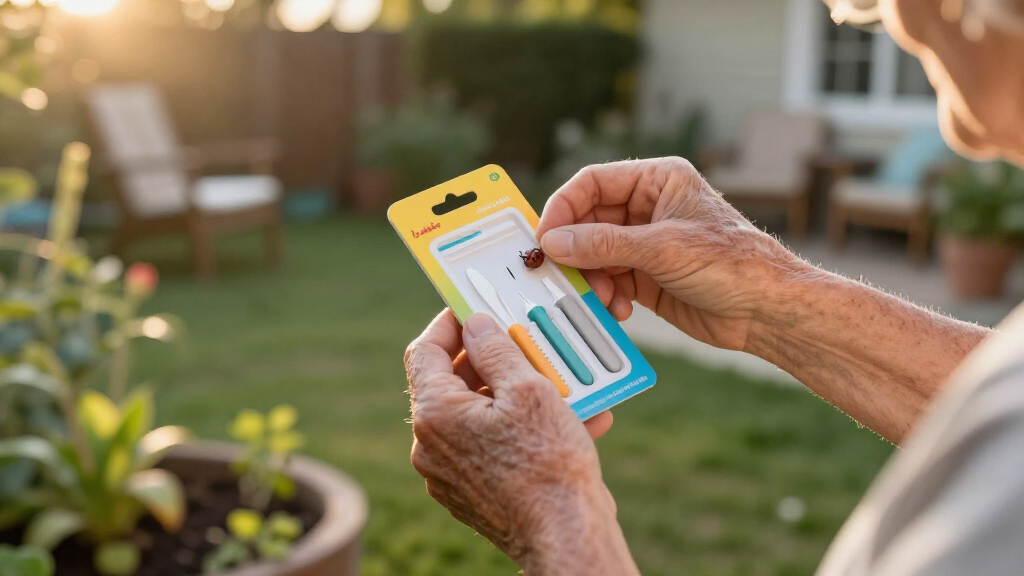
Researchers have introduced an at-home testing kit designed to detect whether ticks are infected with Lyme Disease bacteria, marking a potential advancement in disease prevention and early diagnosis. This development could empower individuals to assess tick exposure risks before symptoms appear, which is significant given the challenges in diagnosing Lyme Disease early.
The new DIY tick testing kit was developed by a team of scientists at a university research lab. It allows users to collect a tick from their skin or environment, perform a simple test at home, and determine if the tick carries Borrelia burgdorferi, the bacteria responsible for Lyme Disease. The device uses a specialized assay that provides results within hours, according to the researchers. The team has conducted initial laboratory validation, showing promising accuracy, but the kit has not yet received regulatory approval for widespread consumer use. Experts emphasize that while this innovation could help reduce Lyme Disease transmission by encouraging prompt removal of infected ticks, further clinical testing and regulatory review are still underway.Potential Impact on Lyme Disease Prevention and Early Detection
This at-home tick test could significantly improve public health by enabling individuals to quickly identify infected ticks and take appropriate action, such as removing the tick or seeking medical advice. Early detection of Lyme Disease is critical, as symptoms can be non-specific and often lead to delayed diagnosis. Experts suggest that widespread adoption of such testing could reduce disease incidence and improve health outcomes, especially in high-risk regions.
As an affiliate, we earn on qualifying purchases.
Background on Lyme Disease and Diagnostic Challenges
Lyme Disease, caused by Borrelia burgdorferi, is the most common vector-borne illness in the United States, with thousands of cases reported annually. Diagnosis typically relies on clinical symptoms and laboratory tests, which can be inconclusive in early stages. The difficulty in detecting infected ticks before they bite and transmit bacteria has contributed to delayed diagnoses. Current prevention strategies focus on tick avoidance and prompt removal, but no widely available at-home testing options for ticks exist at present.
“Our goal was to develop a simple, reliable tool that individuals can use to assess their risk from ticks at home, potentially reducing the time to diagnosis and treatment.”
— Dr. Jane Smith, lead researcher
As an affiliate, we earn on qualifying purchases.
Validation and Regulatory Approval Still Pending
While initial laboratory results are promising, the accuracy and reliability of the at-home test in real-world conditions remain unconfirmed. The kit has not yet undergone extensive clinical trials or received approval from regulatory agencies such as the FDA. It is unclear how well the test performs with different tick species or in various environmental conditions, and whether users can correctly administer it without professional guidance.
As an affiliate, we earn on qualifying purchases.
Ongoing Validation and Steps Toward Consumer Availability
The research team plans to conduct larger-scale clinical studies to validate the test’s effectiveness. Regulatory review processes are also underway, which could determine if the kit can be marketed for consumer use. In the meantime, public health officials advise continuing current prevention practices, such as using repellents and performing tick checks after outdoor activities.
As an affiliate, we earn on qualifying purchases.
Key Questions
How accurate is the at-home tick test so far?
Initial laboratory validation shows promising results, but comprehensive clinical trials are still needed to confirm the test’s accuracy and reliability in real-world settings.
When will this test be available to the public?
It is not yet clear when the test will be approved for consumer use. Researchers are currently conducting validation studies and working with regulatory agencies.
Can this test replace professional diagnosis?
No. The test is intended as a preliminary screening tool. Anyone who suspects Lyme Disease should consult a healthcare professional for proper diagnosis and treatment.
Does the test work on all tick species?
This has not yet been determined. Validation studies are ongoing to assess performance across different tick species and environmental conditions.
What should I do if I find an infected tick?
Follow current guidelines: carefully remove the tick, clean the area, and monitor for symptoms. Consult a healthcare provider if you develop symptoms or if the tick was attached for an extended period.
Source: hn
Grilling season Picks
grills
As an affiliate, we earn on qualifying purchases.