
TL;DR
Listen free for 30 days with Audible
Thousands of audiobooks and originals — cancel anytime.
Start your free trialAs an affiliate, we earn on qualifying purchases.
A gait belt is a helpful tool to support safe transfers and walking but must be used correctly. Proper application, technique, and understanding when not to use it are key to preventing injuries. It’s not a substitute for professional assessment or mechanical assistance.
Imagine helping a loved one stand up from their chair, feeling the firm grip of a gait belt around their waist. It’s a simple device, but when used correctly, it’s a powerful tool that offers safety and confidence. Yet, misuse can turn this aid into a risk.
If you’re a caregiver or family member, knowing how to apply and use a gait belt properly isn’t just helpful — it’s essential. This guide walks you through the do’s and don’ts, with real-world tips to keep everyone safe and preserve dignity during transfers and walking assistance.
Always assess the individual’s ability and safety before using a gait belt.
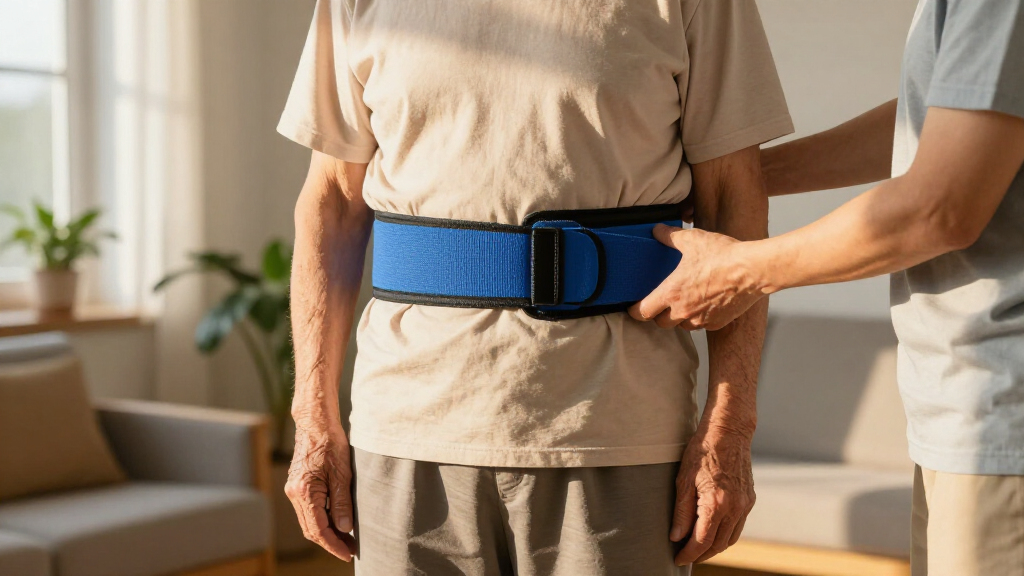
Ensure the belt fits snugly—two fingers width—to avoid restricting breathing or causing discomfort.
Use proper transfer techniques: stand close, pivot with your feet, and lower slowly.
Never lift or pull upward on the belt; it’s a guiding tool, not a lifting device.
Regularly inspect, clean, and replace belts showing wear to keep safety high.
How to Use a Gait Belt Safely
A gait belt is a guiding and steadying tool—not a lifting device. Safe use begins with assessing the person, securing the environment, applying the belt correctly, and knowing when a mechanical aid or additional trained help is safer.
Is a standard waist belt appropriate?
The person should generally be able to participate actively and bear at least some weight. Strength alone is not enough: cognition, pain, skin condition, medical devices, restrictions, and the care plan all affect the decision.
Guidance for active movement
- Standing from a chair or bed with assistance
- Pivot transfers between nearby stable surfaces
- Balance support during supervised walking
- Mild weakness or unsteadiness with participation
- Rehabilitation exercises under professional direction
A standard belt may be unsafe
- Recent abdominal, chest, spinal, rib, or back surgery
- Wounds, tubes, ostomies, drains, or sensitive devices
- Fragile skin, severe pain, hernia, or advanced osteoporosis
- Breathing difficulty that compression could worsen
- Inability to bear weight, participate, or follow directions
Six steps to a secure, comfortable fit
Place the belt over a sturdy layer of clothing. Never position it over bare fragile skin, incisions, tubes, breasts, bony prominences, or painful areas. Follow the belt manufacturer’s fastening instructions.
Sit upright
Stabilize the torso and place both feet in a supported position when possible.
Place over clothing
Use a non-bulky layer between the belt and skin to reduce friction and irritation.
Clear hazards
Keep wounds, lines, tubes, drains, devices, and tender areas away from the belt.
Fasten securely
Close the buckle exactly as directed and confirm that it cannot slip open.
Check the fit
Make it snug without restricting breathing, pinching skin, or causing pain.
Finish safely
Move the buckle from sensitive areas and tuck excess strap out of the way.
The practical fit check
A flat hand or approximately two fingers should fit beneath the belt. Recheck after positioning and before movement.
Prepare, rise, pivot, lower
Bring the destination close, remove obstacles, lock wheels, and move footrests aside. Explain the plan and agree on a count. The caregiver stays close with a stable stance while the person contributes as much as safely possible.
| Movement point | ✓ Safer technique | ✗ Avoid | ~ Escalate when needed |
|---|---|---|---|
| Environment | ✓ Lock wheels; clear the route; remove footrests | ✗ Transfer toward a moving or distant surface | ~ Adjust equipment or request help if setup is unsafe |
| Grip | ✓ Use an underhand grip on the belt or handles | ✗ Pull upward, yank, or hold clothing or arms | ~ Use a specialized device if a secure grip is impossible |
| Body mechanics | ✓ Wide stance; bend knees and hips; elbows close | ✗ Twist the torso or lift with the back | ~ Add trained staff when one caregiver is insufficient |
| Person’s role | ✓ Ask them to push from the chair or bed | ✗ Let them pull on the caregiver’s neck or shoulders | ~ Use mechanical assistance if they cannot bear weight |
| Landing | ✓ Pivot with the feet and lower slowly | ✗ Drop, rush, or rotate through the spine | ~ Stop if balance or control is lost |
Set the scene
Position the destination nearby, support the person’s feet, use stable nonslip footwear, explain the sequence, and confirm readiness.
Stay close
Stand slightly in front and toward the weaker side. Shift weight through the legs and pivot with the feet.
Lower with dignity
Let the person feel the surface behind their legs, reach back when appropriate, and lower slowly with continuous communication.
Know when the belt is not enough
A gait belt provides a handhold for guidance and balance support. As participation falls and assistance needs rise, the safer choice may be additional trained staff, a transfer board, a sit-to-stand device, or a mechanical lift.
End the attempt immediately for pain, shortness of breath, nausea, dizziness, unusual discomfort, sudden weakness, distress, belt slippage, or loss of balance. Help the person to the safest available surface and follow the care plan for assistance.
Every safe movement starts before anyone stands
Check the buckle, handles, stitching, webbing, and edges before every use.
Follow the manufacturer’s cleaning and infection-control instructions.
Remove belts with frays, tears, loose stitching, damage, or unreliable fasteners.
A gait belt never replaces an individualized assessment, care plan, or mechanical aid.
What exactly is a gait belt, and why does it matter?
A gait belt—also called a transfer belt—is a sturdy strap placed around a person’s waist to help with movement. It offers a secure grip point for the caregiver, reducing the risk of slips and falls. Proper use of gait belts is crucial because it directly impacts safety—incorrect application can lead to injuries or discomfort, while proper use can prevent falls and facilitate easier transfers. Think of it as a safety handle; it provides leverage and control, but only if used correctly. Misuse or improper positioning can cause pain, skin tears, or even falls if the belt slips or causes discomfort. Therefore, understanding its purpose and limitations helps caregivers make informed decisions, balancing safety with comfort and dignity.

Vive Gait Belt (350lbs) Transfer Belt with Handles – Medical Nursing Safety Patient Assist – Bariatric, Elderly, Handicap, Physical Therapy – PT Gate Strap Quick Release Metal Buckle, Grabbing Teeth
- Supports up to 350 lbs: Heavy-duty transfer belt for safety
- 7 padded handles: Supports support from any angle
- Comfortable grip: Padded handles for secure hold
As an affiliate, we earn on qualifying purchases.
As an affiliate, we earn on qualifying purchases.
When is a gait belt the right choice — and when isn’t it?
Using a gait belt is appropriate when the individual can actively participate in transfers or walking, supporting their own weight to some degree. This enhances safety because the person can help stabilize themselves, reducing the risk of falls. For example, a mildly weak senior who can stand with minimal assistance benefits from the belt’s support, making transfers smoother and safer. However, the decision isn’t solely about strength; it involves assessing the person’s cognitive state, skin integrity, and medical conditions. For instance, a person with recent abdominal surgery or fragile skin might be at risk of tearing or pain if a gait belt is used improperly. Overconfidence in its use without proper assessment can lead to injuries. Therefore, always consult healthcare professionals for individualized guidance, recognizing that misuse in unsuitable situations can cause harm, defeat safety goals, or increase anxiety for the person receiving assistance.
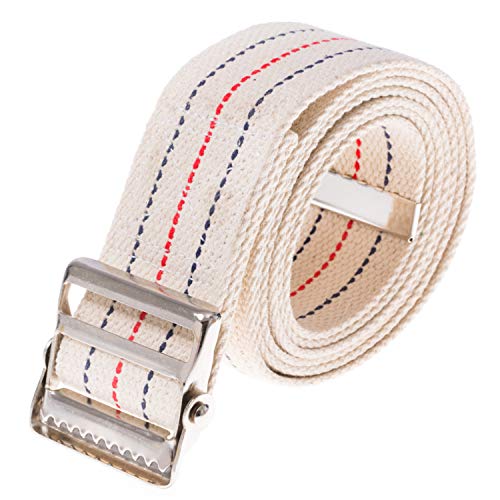
COW&COW Transfer and Gait Belt with Metal Buckle – Transfer Walking and Standing Assist Aid for Caregiver Nurse Therapist 2 inches (Beige with Stripes, 60")
- Gait belt for patient transfer: Supports walking and standing aid
- Adjustable length: Up to 60 inches, various sizes available
- Durable cotton webbing: Comfortable and long-lasting material
As an affiliate, we earn on qualifying purchases.
As an affiliate, we earn on qualifying purchases.
How to choose the right gait belt for your loved one
Choosing the appropriate gait belt involves more than just size; it’s about ensuring safety, comfort, and durability. An ill-fitting belt can cause discomfort, skin irritation, or even restrict breathing if too tight, while a loose belt can slip during movement, risking a fall. The material matters: a sturdy, non-slip surface with padding on handles can improve grip and comfort, reducing caregiver fatigue and enhancing control. The weight capacity isn’t just a number; it indicates the belt’s ability to safely support the individual’s weight without tearing or malfunctioning, which is vital for safety. Regularly inspecting for frays, tears, or loose stitching isn’t just maintenance—it’s a critical safety step because worn-out belts are more prone to failure. Properly chosen belts foster confidence during transfers and walking, but poor choices or neglect can lead to accidents, injuries, or loss of trust in the equipment. Making an informed choice means considering the person’s size, medical condition, and the environment in which the belt will be used.
COW&COW Transfer and Gait Belt with Metal Buckle – Transfer Walking and Standing Assist Aid for Caregiver Nurse Therapist 2 inches (Beige with Stripes, 60")
- Gait belt for patient transfer: Supports walking and standing aid
- Adjustable length: Up to 60 inches, various sizes available
- Durable cotton webbing: Comfortable and long-lasting material
As an affiliate, we earn on qualifying purchases.
As an affiliate, we earn on qualifying purchases.
Step-by-step: Applying a gait belt the right way
- Position the person sitting upright, if possible. This position stabilizes the torso and makes belt placement more accurate, reducing the risk of misalignment that can cause discomfort or ineffective support.
- Place the belt over their clothing—preferably over a sturdy, non-bulky layer—to prevent skin irritation and facilitate cleaning. Avoid directly on bare skin, especially if skin is fragile or prone to tears, as this can cause discomfort or injury.
- Ensure tubes, lines, or open wounds are clear of the belt’s placement area to prevent accidental pulling or tearing, which could worsen medical conditions or cause pain.
- Fasten the buckle securely, following the manufacturer’s instructions. A proper buckle reduces the risk of slipping during movement, which is critical for safety.
- Adjust the belt so it’s snug but not tight—two fingers should fit underneath comfortably. This balance allows effective support without restricting breathing or causing pressure sores, which can lead to skin breakdown over time.
- Position the buckle away from sensitive areas such as the abdomen or sides, and tuck excess strap to prevent tripping or discomfort during movement.
If the person reports pain, dizziness, or discomfort, stop immediately. Never force the belt on if it causes pain or they resist, as this can lead to trauma or loss of trust. Proper application is about balance—support without harm, control without discomfort.
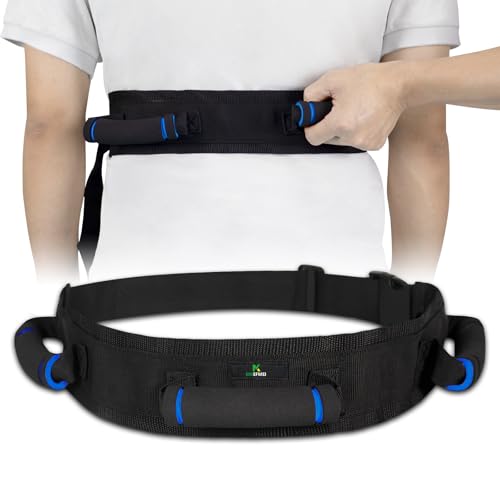
Transfer Belt for Seniors, Safety Walking Support with Quick Release Buckle
- Secure Grip Handles: Multiple padded handles for stability
- Durable Material: Nylon and mesh with reinforced stitching
- Easy to Clean: Machine washable with soft sponge grips
As an affiliate, we earn on qualifying purchases.
As an affiliate, we earn on qualifying purchases.
The best way to transfer someone safely with a gait belt
Before starting, ensure the wheelchair or bed is securely locked to prevent shifting during transfer, and remove footrests or obstacles that could cause imbalance. Position the surface close to the person to minimize the distance they need to move, reducing fall risk. Clearly explain each step to the person, fostering cooperation and reducing anxiety, and agree on a count—like “one, two, three”—so both understand the timing. When ready, stand close, slightly in front and on the weaker side, to provide optimal support. Hold the gait belt handles or under the belt with an underhand grip, maintaining a firm but gentle hold. Encourage the person to push off from the chair or bed, avoiding pulling or yanking, which can cause muscle strain or loss of balance. Shift your weight through your legs—keeping your back straight—to prevent injury. Pivot with your feet, not your torso, to maintain balance and control. Lower the person slowly onto the new surface, ensuring they feel the surface behind their legs before sitting fully. Never lift or pull upward on the belt alone; doing so can cause muscle strains, falls, or skin tears. Proper technique ensures safety and dignity for both caregiver and recipient.
Helping someone walk safely with a gait belt
Hold the gait belt from underneath or use the handles, staying slightly behind and on the weaker side to provide support without restricting natural movement. Keep the person close enough to support their balance but not so tight as to restrict their mobility or cause discomfort. Match their pace, and watch for signs of fatigue, dizziness, or distress—stopping if needed. Communication is key: explain each step and ask for feedback to ensure comfort and safety. Use the belt as a steadying aid rather than a pulling tool, applying gentle tension to support the person’s weight. If they use a cane or walker, follow their care plan, ensuring the device is secure and within reach. Remember, the gait belt is a support tool—it does not replace the need for assistive devices or environmental adjustments that promote safe walking. Proper technique preserves dignity and reduces fall risks during ambulation.
What to do if someone starts falling — and how to prevent injuries
If you notice someone losing balance, avoid pulling upward on the belt, which can cause muscle strains or skin tears. Instead, widen your stance to stabilize yourself, hold the belt securely to maintain control, and bend your knees to soften the fall. Guide the person downward along your leg, protecting their head and neck as much as possible to prevent injuries. Lowering them slowly reduces impact forces and helps prevent fractures or head injuries. Immediately call for help to ensure proper assistance—never attempt to lift or catch someone alone if they are falling. Proper fall response involves controlled, supportive movements that minimize injury and reassure the person that they are being supported. Recognizing fall risks and responding calmly and correctly can make all the difference in injury prevention and maintaining trust in caregiving situations.
Maintaining and inspecting your gait belt — keep it safe and ready
Regularly inspecting your gait belt is vital because wear and tear—such as fraying, tears, or damaged buckles—can compromise its integrity and safety. Even a small tear can lead to sudden failure during a transfer. Cleaning the belt according to manufacturer instructions prevents buildup of dirt and bacteria, which is especially important if sharing equipment among multiple users. Proper storage in a dry, clean place helps prevent deterioration from moisture or pests. Routine inspections and maintenance aren’t just about prolonging the belt’s lifespan—they’re essential safety practices that prevent accidents caused by equipment failure. A well-maintained belt provides peace of mind, ensuring that support during transfers remains reliable and that injuries are less likely due to equipment malfunction.
Recent trends and best practices in gait belt use
Healthcare practices are increasingly emphasizing personalized mobility strategies. Instead of routine use, assessments now determine whether a gait belt is appropriate based on the individual’s health status, mobility level, and environment. Mechanical lifts and sit-to-stand devices are becoming more common, especially for heavier or less able individuals, as they reduce strain on caregivers and enhance safety. Training staff thoroughly on body mechanics, consent, and trauma-informed care ensures that gait belts are used appropriately and respectfully. These evolving practices reflect a broader understanding that safety isn’t just about equipment—it’s about tailored approaches that respect individual differences and promote dignity. Recognizing when to use a gait belt versus alternative methods can significantly reduce injury risk and improve overall care quality.
Common mistakes — what NOT to do with a gait belt
- Using it as a lifting strap—this can cause muscle strain, skin tears, or falls because the belt isn’t designed to suspend or carry weight beyond support during transfers.
- Placing it around the chest or under the arms—this can compress the chest or cause pain, leading to restricted breathing or injury.
- Applying over wounds, tubes, or sensitive skin—this increases the risk of tearing, discomfort, or aggravating medical conditions.
- Leaving it too loose or too tight—improper fit can impair breathing, cause pressure sores, or reduce support effectiveness.
- Pulling on the belt to lift—this can strain muscles, cause skin tears, or dislodge medical devices, compromising safety.
- Forcing a transfer without proper assessment or equipment—this increases fall risk and can cause injury or trauma.
Questions caregivers and families ask about gait belts
Q: How tight should a gait belt be? It should be snug enough to prevent slipping but not so tight that it restricts breathing or causes discomfort. Typically, two fingers should fit underneath to ensure a proper fit, balancing support with comfort. This tightness matters because a loose belt can slip, leading to falls, while a too-tight belt can cause skin irritation or impede breathing, increasing risk of pressure injuries.
Q: Can I use a gait belt alone? Only if the person is able to actively participate and the care plan permits. Relying solely on the belt without additional support or assessment may be unsafe, especially if the individual is weak, disoriented, or has medical conditions that require more comprehensive assistance.
Q: Will a gait belt prevent all falls? No. While it significantly reduces fall risk during transfers or ambulation, it cannot eliminate all hazards. Proper technique, environmental safety, and individual assessment are essential components of fall prevention.
Q: Is it safe for older adults? When used correctly and with consideration of their health status—such as osteoporosis or fragile skin—a gait belt can be safe. However, always assess each individual’s specific risks before use, and consult healthcare providers for tailored advice.
Q: Should I use it over clothing or skin? It’s safer to use over clothing, especially if the skin is fragile or prone to tears. Direct contact with skin can cause irritation or injury, particularly in older adults with thin or sensitive skin. Ensuring a layer of clothing helps protect skin integrity while maintaining effective support.
Conclusion
A gait belt is a simple yet powerful safety tool that, when used correctly, can protect your loved ones and give you confidence during transfers. Remember, it’s not a magic fix—assessment, technique, and respect for individual limits matter most.
Picture a caregiver confidently guiding a loved one with a firm, secure grip, both feeling safe and dignified. That’s the goal. Keep learning, practicing, and always put safety first.
College move-in / dorm season Picks
dorm essentials
As an affiliate, we earn on qualifying purchases.