TL;DR
Listen free for 30 days with Audible
Thousands of audiobooks and originals — cancel anytime.
Start your free trialAs an affiliate, we earn on qualifying purchases.
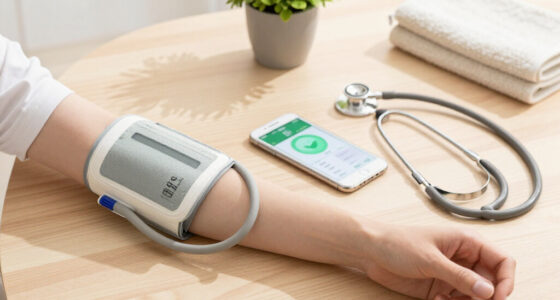
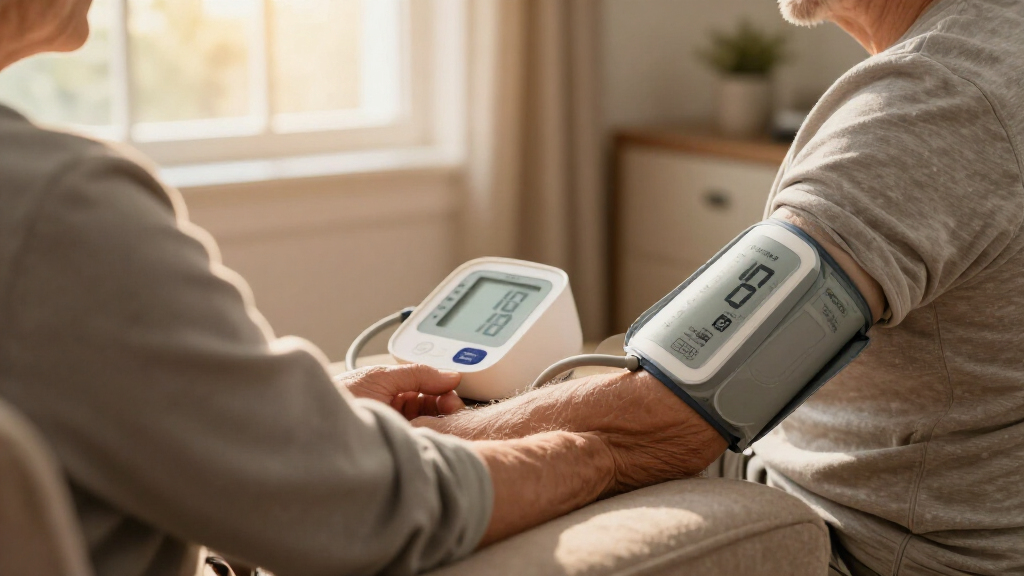
A large-display blood pressure monitor improves readability for users with visual impairments. Prioritize validated models with adjustable cuffs and user-friendly features for accurate, reliable readings.
Always choose a validated blood pressure monitor to ensure accuracy.
Prioritize large, high-contrast digits and backlit screens for easy reading.
Proper cuff size and fit are critical—measure your arm and select accordingly.
Features like one-button operation and audio prompts improve usability for seniors.
Regular calibration and correct cuff placement keep readings trustworthy over time.
Why a Large-Display Blood Pressure Monitor Can Be a Lifesaver
For those with visual impairments or shaky hands, reading small numbers can feel like trying to decipher a secret code. A large-display monitor clearly shows big, bold numbers, often with high contrast and backlighting. This makes it easier to see your readings at a glance, reducing errors and frustration. Think of it as turning a tiny, flickering candle into a bright, steady floodlight.
For example, a senior with arthritis found that upgrading to a monitor with a 3-inch digit display reduced anxiety during readings. It became a simple, stress-free part of their routine. The right screen can turn a potentially confusing task into a straightforward check-in, boosting confidence and independence.

Garmin Index™ BPM, Smart Blood Pressure Monitor, FDA-Cleared Medical Device
- FDA-cleared and clinically validated: Accurate blood pressure and heart rate readings
- Compact all-in-one design: Integrated display for easy readings
- Wireless syncing capability: Syncs data to Garmin Connect app
As an affiliate, we earn on qualifying purchases.
As an affiliate, we earn on qualifying purchases.
How to Pick the Perfect Large-Display Monitor in 3 Easy Steps
- Check the display size and contrast. Look for monitors with at least a 2.5-inch digit display, high contrast (black on white or vice versa), and backlit screens for low-light use.
- Verify validation for accuracy. Confirm the device meets recognized standards like ANSI/AAMI/ISO or BHS. Accuracy beats size every time.
- Choose the right cuff size and ease of use features. Select models with adjustable cuffs suitable for your arm size and simple one-button operation.
Choosing the right display size and contrast isn’t just about visibility; it directly impacts how quickly and confidently you can read your results. A high contrast display reduces eye strain, especially in varying lighting conditions, which is vital for users with visual impairments. Validation ensures the device’s measurements are trustworthy, preventing misdiagnosis or inappropriate treatment. Proper cuff size and ease of use features minimize user error, which can otherwise lead to inaccurate readings or frustration during measurement. These tradeoffs—between size, accuracy, and usability—highlight why comprehensive evaluation is essential for effective monitoring.
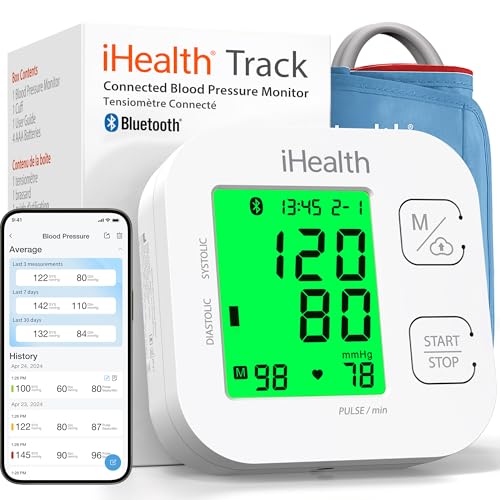
iHealth Track Smart Upper Arm Blood Pressure Monitor with Wide-Range Cuff
- Clinically Accurate: Easy operation, no calibration needed
- Large Backlit Display: Oversized numbers with color-coded readings
- Easy Data Management: Store up to 99 readings, unlimited via app
As an affiliate, we earn on qualifying purchases.
As an affiliate, we earn on qualifying purchases.
Compare Key Features of Popular Large-Display Monitors
| Feature | Standard Model | High-End Model |
|---|---|---|
| Display Size | 2.5 inches | 3.5 inches |
| Display Type | LCD | OLED or high-res LCD |
| Connectivity | Manual readings | Bluetooth/Wi-Fi |
| Validation | Yes, ANSI/AAMI | Yes, ANSI/AAMI & FDA approved |
| Cuff Compatibility | Standard sizes | Larger arm cuffs & adjustable |
Think of the high-end model as a smartphone with a bigger screen and extra features—more clarity and options, but both can deliver accurate readings if validated properly. However, it’s important to recognize that larger displays and advanced features often come with tradeoffs. They may be more expensive, bulkier, or require more maintenance. Choosing the right monitor involves balancing these factors against your specific needs and preferences, ensuring you get a device that’s not only easy to read but also reliable and sustainable over time.
iHealth Track Smart Upper Arm Blood Pressure Monitor with Wide-Range Cuff
- Clinically Accurate: Easy operation, no calibration needed
- Large Backlit Display: Oversized numbers with color-coded readings
- Easy Data Management: Store up to 99 readings, unlimited via app
As an affiliate, we earn on qualifying purchases.
As an affiliate, we earn on qualifying purchases.
Recent Tech Advances That Make Large-Display Monitors Smarter
Today’s monitors are more than just big screens. OLED displays offer sharper, more vibrant digits, making readings easier to see in any lighting. Some models incorporate voice prompts that guide you through measurement steps, reducing user error. Additionally, connectivity options like Bluetooth sync your readings to health apps, making tracking simple and seamless.
For example, a device with voice instructions helped a user with Parkinson’s complete readings confidently. Meanwhile, Bluetooth-enabled monitors automatically log data, removing the hassle of manual record-keeping and helping caregivers monitor trends over time.
These technological enhancements are significant because they directly impact usability and accuracy. For users with cognitive or motor challenges, features like voice prompts reduce the cognitive load and physical effort required. Connectivity options improve data management, which is crucial for ongoing health management and clinical accuracy. Overall, these advances make large-display monitors not just easier to read but also more integrated into a comprehensive health tracking system, enhancing both confidence and reliability.
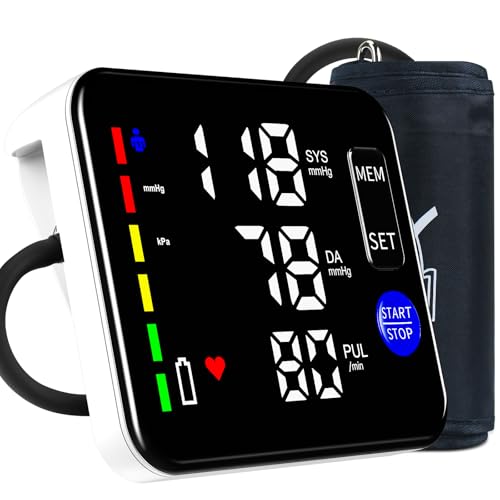
GUAEVER Blood Pressure Monitor Rechargeable Upper Arm, Large Screen, Black
- Fast and Accurate Readings: Latest chip technology and advanced algorithms
- Rechargeable and Easy to Use: Long-lasting lithium battery and one-touch operation
- Large Screen and Voice Guidance: Clear LED display with optional voice prompts
As an affiliate, we earn on qualifying purchases.
As an affiliate, we earn on qualifying purchases.
What Really Matters: Validated Accuracy and Proper Cuff Fit
The biggest mistake? Focusing on screen size while ignoring validation and cuff fit. A monitor’s display can be giant, but if it isn’t validated, your readings might be off. Validation according to recognized standards ensures the device has been tested against rigorous benchmarks, which directly correlates with measurement reliability. Without validation, even a large, easy-to-read screen can give false confidence, leading to mismanagement of health conditions.
Furthermore, cuff fit isn’t just a minor detail; it’s the foundation of accurate blood pressure measurement. A cuff that is too small or too loose can cause significant errors, potentially leading to misdiagnosis or mistreatment. For example, a cuff that’s too tight may artificially elevate readings, while a loose cuff can underestimate blood pressure. Proper cuff sizing based on arm circumference and ensuring snug but comfortable fit are critical for trustworthy data. These factors—validation and cuff fit—are the bedrock of dependable measurements, especially vital for managing chronic conditions like hypertension. Overlooking them in favor of flashy screens risks compromising your health management.
Features That Make Life Easier for Seniors and Visually Impaired Users
Large digits are just the start. Look for models with simple, one-button operation, clear instructions, and a comfortable cuff that’s easy to put on. Some monitors include audio prompts or vibration alerts to confirm measurements, reducing the need to squint or guess. Multiple user profiles are also handy if more than one person needs to check their blood pressure regularly.
For example, an elderly user with arthritis appreciated a monitor with a single large button and a cuff that wraps easily. The device’s clear voice prompts turned what once was a frustrating task into a quick, stress-free routine.
How to Keep Your Blood Pressure Monitor Accurate Over Time
Accuracy depends on regular maintenance. Calibrate your monitor according to the manufacturer’s instructions—usually every 1-2 years. Store it in a cool, dry place away from direct sunlight or moisture. Always use the cuff correctly, wrapping it snugly but not too tight, and measure in a consistent environment.
For example, a caregiver noticed their parent’s readings drifted over months. After re-calibrating the device and checking cuff fit, the measurements stabilized. Simple upkeep keeps your monitor trustworthy and reliable.
Understanding the importance of calibration and proper storage is crucial because these factors directly influence measurement accuracy over time. Neglecting regular calibration or improper storage can lead to drift or damage, resulting in unreliable readings that could compromise health decisions. Investing time in routine maintenance ensures your device remains a dependable part of your health management routine, providing peace of mind and accurate data when you need it most.
Frequently Asked Questions
How do I choose the right cuff size for my arm?
Measure your arm circumference at the midpoint of your upper arm. Then, select a cuff that fits within the size range specified by the manufacturer. Proper fit is essential for accurate readings.Are large-display blood pressure monitors more accurate than standard ones?
Not inherently. Accuracy depends mainly on validation and correct use. A large display improves readability but doesn’t guarantee more precise measurements.Can I use these monitors if I have a medical condition like arrhythmia?
Some advanced models can detect irregular heartbeat and provide reliable readings. Always check the device’s specifications and consult your healthcare provider for guidance.How often should I calibrate my blood pressure monitor?
Follow the manufacturer’s recommendations, typically every 1-2 years. If readings seem inconsistent or vary widely, recalibrate sooner.Are Bluetooth-enabled monitors worth the extra cost?
They’re useful for tracking and sharing data automatically, which can be a big help for managing health over time. However, if you prefer manual records, simpler models work just fine.Conclusion
A large-display blood pressure monitor isn’t just a gadget — it’s a tool that empowers you to manage your health confidently. Investing in one with validated accuracy, a comfortable cuff, and easy-to-read digits makes daily checks simpler and more reliable. Think of it as turning a confusing task into a clear, steady heartbeat of your wellness routine.Baby shower & registry season Picks
baby registry must-haves
As an affiliate, we earn on qualifying purchases.