TL;DR
Open a free Amazon Business account
Business pricing, bulk buying and tax-exempt orders.
Create a free accountAs an affiliate, we earn on qualifying purchases.
Assisting someone with standing and transferring requires careful assessment, proper technique, and a safe environment. Using assistive devices and clear communication reduces fall risks and supports independence.
Ever tried helping someone stand and transfer, only to worry about causing a fall or injury? It’s a common concern, but with the right approach, you can make these moments safe and respectful. This guide walks you through practical steps to help someone stand and transfer confidently, without risking their safety or your back.
Whether you’re a family caregiver or a healthcare aide, understanding these essentials can turn a potentially stressful task into a smooth, supportive process. Let’s explore how to do it safely, comfortably, and with dignity for everyone involved.
Always assess the person’s ability before attempting to help them stand or transfer.
Use proper body mechanics: bend hips and knees, keep your back straight, and support at the hips or waist.
Clear the environment of hazards and use non-slip surfaces to prevent falls.
Communicate clearly and calmly throughout the process to promote cooperation and safety.
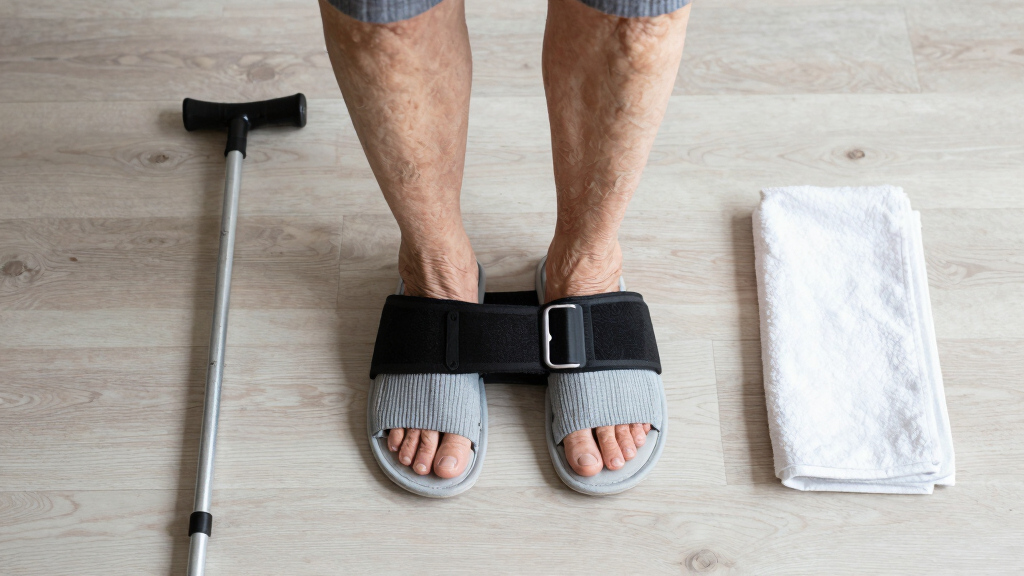
Select assistive devices like gait belts, transfer boards, or lifts based on the person’s mobility level.
How to Judge When Someone Is Ready to Stand Without Risks
Knowing when someone is ready to stand is the first step. Look for signs of strength and stability—like an upright posture and steady breathing. If they can sit up without assistance and can push off slightly with their legs, they’re likely ready.
For example, if your loved one’s feet are flat on the ground, and they can hold their head up without wobbling, that’s a good sign. But if they seem weak, dizzy, or unsteady, it’s better to seek help or use equipment like a transfer belt.
Assessing their abilities helps you choose the safest transfer method and prevents falls or strains. Rushing a transfer when someone isn’t ready increases the risk of falls, which can lead to serious injuries like fractures or head trauma. Conversely, waiting too long or misjudging their strength might cause unnecessary fatigue or strain, especially if they try to assist beyond their capacity. Therefore, accurate assessment is crucial for balancing safety and independence.
Understanding the reasons behind these signs is vital. For instance, a person showing signs of fatigue or weakness may be at higher risk of losing balance mid-transfer. Recognizing these cues allows you to modify your approach, perhaps by providing additional support or postponing the transfer until they’re more stable. This proactive assessment minimizes the risk of injury and respects the individual’s current capacity, ensuring safety without unnecessary restriction of independence.
As an affiliate, we earn on qualifying purchases.
Step-by-Step: The Best Way to Help Someone Stand Safely
- Clear the area: Remove clutter, rugs, or obstacles. Make sure the floor is dry and non-slip. A clutter-free space minimizes trip hazards, and non-slip surfaces provide extra grip, reducing fall risk during the transfer.
- Position yourself: Stand close, with feet shoulder-width apart, facing the person. Keep your back straight, bend your hips and knees slightly. Proper stance and positioning allow you to use your strongest muscles, reducing strain and increasing control during the transfer.
- Explain what you’re going to do: Use simple language, like ‘I’m going to help you stand now.’ Clear instructions help the person anticipate the movement, reducing anxiety and resistance, which can compromise safety.
- Assist to sit upright: Gently help them shift to a seated position if they’re lying down or reclined. This prepares them for standing by engaging core muscles and reducing the effort needed to stand.
- Encourage push-up: Ask them to push through their legs and hips, using their thigh muscles to come to a standing position. This active participation promotes muscle engagement and stability, critical for balance.
- Support as needed: Place your hands on their hips or waist, or use a gait belt if available, gripping firmly but comfortably. Proper support distributes weight evenly, preventing strain or injury, especially if the person has weak muscles or joint issues.
- Stabilize: Wait until they’re steady before moving away or supporting further. Ensuring stability first minimizes the risk of falls immediately after standing.
Practice makes perfect. The smoother the process, the less fatigue and risk of falls. The technique’s effectiveness depends on consistency and attention to detail, which collectively build confidence and safety for both caregiver and person being transferred.
Deeply understanding each step’s purpose helps you adapt the technique to different situations. For example, if someone has limited leg strength, you might need to assist more actively or use additional support devices. Recognizing these nuances ensures each transfer is tailored to the individual’s needs, reducing injury risk and promoting dignity.
As an affiliate, we earn on qualifying purchases.
Compare Common Transfer Aids — Which One Is Right for You?
| Device | Best For | Ease of Use | Safety Level |
|---|---|---|---|
| Gait Belt | Most transfers, when person can stand with minimal help | High — simple to apply | High — provides stable grip for caregiver |
| Transfer Board | Bed to wheelchair, or between chairs | Moderate — needs some skill | Moderate — requires proper positioning |
| Hoyer Lift | Full lifts, when person can’t stand or move on their own | Lower — professional use recommended | Very high — minimizes caregiver strain |
Choosing the right aid depends on mobility level, comfort, and safety needs. For example, a gait belt is simple but effective for most standing transfers, while a lift can significantly reduce physical strain and risk of injury for both caregivers and patients who cannot bear weight. Understanding the strengths and limitations of each device helps you weigh tradeoffs—such as ease of use versus safety—so you can select the most appropriate tool for each situation.
Keep in mind that each device has its own trade-offs. For instance, while a gait belt is quick and easy to use, it might not be suitable for someone with fragile skin or severe weakness. Conversely, lifts are safer for very frail or immobile individuals but require training and space. Balancing these factors ensures you choose the most effective and safe solution tailored to the person’s needs, which ultimately enhances safety and preserves dignity.
non-slip transfer assistive device
As an affiliate, we earn on qualifying purchases.
As an affiliate, we earn on qualifying purchases.
How to Prepare the Environment for Safe Transfers
The right environment can make or break transfer safety. Clear the space of any clutter, cords, or loose rugs that could cause slips or trips. Use non-slip mats under feet or wheelchairs for extra grip.
Imagine helping your parent in their small living room. You’d move furniture aside, put a non-slip rug in front of the chair, and make sure the floor is dry. This setup helps prevent accidents and gives you more control.
Position yourself close to the person, with your feet shoulder-width apart for balance. Keep lighting bright so you can see every step clearly. Adequate lighting reduces shadows and enhances visibility, which is especially important for individuals with impaired vision or in dimly lit areas. A well-lit environment not only helps you see hazards but also makes the person feel more secure and less anxious during transfers.
Furthermore, an optimized environment minimizes the need for last-minute adjustments that can cause confusion or rushing, both of which increase fall risk. For example, ensuring doorways are unobstructed and that assistive devices are within easy reach reduces the cognitive and physical effort required during the transfer. This proactive setup promotes a calm, controlled transfer process and safeguards the individual from unexpected hazards.
As an affiliate, we earn on qualifying purchases.
Why Clear Communication Matters During Transfers
Clear, calm communication is the secret sauce to safe transfers. Explain each step before you start, so the person knows what to expect. For example, say, ‘I’m going to help you stand, then we’ll move to the chair together.’
Encourage feedback: ‘Are you comfortable? Do you feel okay?’ This keeps them engaged and aware of their own limits. Listening to their responses helps you gauge their readiness and comfort level, which is critical for preventing sudden movements or resistance that could lead to falls or injuries.
Good communication also helps maintain the person’s dignity. When they understand what’s happening and feel involved, they’re more likely to cooperate and trust you. This trust reduces anxiety, which is often a barrier to safe transfer. For example, if someone expresses discomfort or fear, addressing it openly can help you modify your approach, such as slowing down or providing extra support, thereby preventing accidents and ensuring a respectful, person-centered transfer.
How to Support Without Causing Injury — Do’s and Don’ts
Supporting someone safely involves awareness of proper body mechanics and avoiding risky behaviors. Do bend at your hips and knees, keep your back straight, and use your leg muscles to lift or support. This technique distributes effort across larger, stronger muscle groups, reducing fatigue and preventing back injuries.
Don’t pull on the person’s arms or shoulders—this could cause injury or pain, especially if they have fragile joints or osteoporosis. Instead, support around the hips or waist, using a gait belt if available. When gripping, apply firm but gentle pressure to maintain control without causing discomfort or harm.
Remember: Rushing or sudden movements increase fall risk. Taking your time, breathing steadily, and maintaining a centered stance help you stay balanced and reduce the chance of slips or strains. Small, deliberate movements are more effective and safer than hurried efforts. These practices not only protect you from injury but also foster a calmer, more controlled transfer experience for the individual, reducing fear and promoting cooperation.
Frequently Asked Questions
How do I know if I should call a professional instead of helping myself?
If the person is unable to bear weight, seems very weak, dizzy, or unsteady, it’s safest to call a healthcare professional. Trust your instincts—when in doubt, seek expert help to prevent injury.
What’s the most important thing to remember during a transfer?
Prioritize safety and communication. Always ensure the environment is hazard-free, support properly, and keep talking to the person to gauge comfort and stability.
Are there specific tools I should have at home for safe transfers?
Yes. Gait belts, transfer boards, slide sheets, and mechanical lifts are common aids that improve safety and ease. Consult with a healthcare provider to find what’s best for your situation.
What if the person feels dizzy or unsteady during the transfer?
Stop immediately, help them sit or lie down, and call for medical help if symptoms persist. Never force a transfer if they’re feeling unwell.
How often should I reassess someone’s mobility for safe transfers?
Regularly. Changes in strength, health, or medication can affect transfer safety. Routine reassessment helps you adapt techniques and tools accordingly.
Conclusion
Helping someone stand and transfer safely is about preparation, technique, and respect. When you combine proper assessment, environment setup, and clear communication, you create a process that’s safer for everyone involved.
Remember, a little patience and the right tools go a long way. Think of it as supporting a fragile flower—carefully and with intention, you help it stand tall.
Fall yard work Picks
leaf blowers
As an affiliate, we earn on qualifying purchases.