TL;DR
Open a free Amazon Business account
Business pricing, bulk buying and tax-exempt orders.
Create a free accountAs an affiliate, we earn on qualifying purchases.
Choosing the right seat height is key to comfort and health at home. Adjustable and purpose-specific seating options are becoming more accessible, promoting better posture and ease of use for all ages and abilities.
Imagine sitting down in your favorite chair and feeling immediate relief — no awkward postures or muscle strain. That’s what choosing the right-height seating can do for your home. It’s more than just a matter of style; it’s about safety, comfort, and preserving your dignity as you age.
In this guide, you’ll learn how to pick seats that fit your body and your lifestyle. We’ll explore recent innovations, practical tips, and how to make your home a haven of ease and well-being for everyone who lives there.
Proper seat height allows your feet to rest flat and knees to stay at about a 90-degree angle, reducing strain and improving comfort.
Adjustable seating offers flexibility for different users and activities, making your home more inclusive and adaptable.
Different rooms require specific seat heights — for dining, lounging, or working — to promote posture and ease of use.
Simple modifications like cushions and risers can enhance the comfort of existing furniture without costly replacements.
Recent innovations like smart, ergonomic, and eco-friendly seats are making home seating safer and more personalized.
Choosing Comfortable-Height Seating Throughout the Home
Proper seat height is more than a style decision — it’s about safety, posture, and dignity. This guide covers how to measure your ideal height, which rooms need which dimensions, and how innovation is making ergonomic seating accessible to every body and budget.
How to Find the Perfect Seat Height for Anyone
One rule governs everything: feet flat on the floor, knees at roughly a right angle, hips slightly higher than the knees. When that alignment breaks, comfort and health break with it.
Supported Alignment
Thighs parallel to the floor, hips slightly above knees. This encourages proper spinal posture, promotes circulation, and minimizes joint strain — the foundation of long-term musculoskeletal health.
Hips Forced Out of Position
Feet dangle and hips rotate unnaturally, causing hip and lower back pain over time. On high stools, always pair the seat with a footrest to prevent circulation issues.
Knee Strain & Difficult Standing
Low seats strain the knees and make standing up hard — especially for older adults or those with limited mobility. A firm cushion or riser can correct the problem.
Personal Comfort Is the Guide
Test heights in real life before committing. Adjustable chairs and cushions let you fine-tune support for individual differences and prevent postural issues.
Every Room Demands a Different Height
Each activity carries unique postural requirements and safety considerations. Matching seat height to both the task and the user’s body is the key to ergonomic support.
Dining Chairs
Supports an upright posture for eating and conversation — feet flat, knees at a comfortable angle.
Lounge Chairs & Sofas
Lower seats promote relaxed sitting while still supporting proper spinal alignment.
Work & Desk Chairs
Elbows should rest comfortably while typing — preventing shoulder strain and maintaining focus.
Counter & Bar Stools
Great for casual dining and socializing — but always pair with footrests to prevent dangling legs.
The Home Seat-Height Spectrum
Compare recommended seat heights across the home — measured from floor to seat surface. Bars show each category’s typical range.
Adjustable Seating: A Must-Have for Every Home
Tailoring seat height to individual needs supports different body types, ages, and mobility levels — reducing strain across the board and preventing the musculoskeletal issues caused by prolonged poor posture.
Multiple Users
Children, adults, and elderly members each get a safe, comfortable fit from the same furniture.
Tailored Alignment
Pneumatic lifts or electronic controls adjust height precisely for desk work or lounging.
Health Protection
Proper alignment during long sitting sessions reduces back pain, joint stress, and circulation problems.
Independence
Seamless position changes benefit users with mobility challenges — an investment in long-term autonomy.
Make Existing Furniture More Ergonomic
No budget for new furniture? Strategic modifications can align hips and knees, improve stability, and prevent tipping — at a fraction of the cost.
| Modification | Height Gain | Posture Benefit | Safety Impact | Cost |
|---|---|---|---|---|
| Memory foam / gel cushion | +1–2″ | Aligns hips above knees | Easier sit-to-stand | $ |
| Chair risers / adjustable pads | +2–4″ | Fixes too-low or uneven seats | Check stability after install | $ |
| Lumbar support insert | ±0″ | Maintains spinal curve | Reduces fatigue | $ |
| Adjustable footstool | Support only | Stops dangling legs | Improves circulation | $ |
| Full chair replacement | Purpose-built | Designed-to-fit ergonomics | Highest expense | $$$ |
Smarter, Safer, More Comfortable Seating
The latest generation of seating reflects a deeper understanding of ergonomics — with smart controls, adaptive materials, and sustainability now mainstream.
Electronic Height + Memory
Chairs with memory settings adjust at the touch of a button; embedded sensors analyze posture and suggest optimal adjustments to actively reduce fatigue.
Dynamic Support Systems
Gel-infused cushions and ergonomic contours respond to your movements, providing continuous support and healthy alignment through extended sitting.
Eco-Friendly Materials
Recycled plastics and sustainably sourced wood are now standard in quality seating — durable, long-lasting, and lower impact.
Hybrid & Modular Designs
Customizable heights and configurations, plus multi-functional pieces combining seating with storage or workspace features.
Active Sitting
Seating that encourages movement and better posture, with lumbar support and contours tailored to diverse body types.
Inclusive by Design
Universal design principles now guide product development, ensuring comfortable, dignified seating for all ages and abilities.
How to Find the Perfect Seat Height for Anyone in Your Home
Choosing the right seat height starts with a simple rule: your feet should rest flat on the floor, and your knees should form a 90-degree angle. This ergonomic position ensures proper support, promotes circulation, and minimizes strain on your joints. When these principles are ignored, it can lead to discomfort, fatigue, and long-term musculoskeletal problems.
For example, if the seat is too high, your hips may be forced into an unnatural position, causing hip or lower back pain over time. Conversely, if it’s too low, it can strain your knees and make standing up difficult, especially for older adults or those with limited mobility. Personal comfort is the ultimate guide—testing different heights in real life allows you to find the most supportive fit. Using adjustable chairs or adding cushions can help fine-tune this support, accommodating individual differences and preventing postural issues.
Measuring your ideal seat height involves sitting comfortably with your feet flat, thighs parallel to the floor, and checking if your hips are slightly higher than your knees. This alignment encourages proper spinal posture and reduces stress on your joints, which is critical for long-term health.
As an affiliate, we earn on qualifying purchases.
Why Adjustable Seating Ranks as a Must-Have for Every Home
Adjustable-height seating isn’t just about convenience — it’s a fundamental component of ergonomic home design that promotes health and inclusivity. When seating can be tailored to individual needs, it supports different body types, ages, and mobility levels, reducing strain and enhancing comfort across the board. For example, a family with children, adults, and elderly members benefits immensely from seats that can be easily adjusted, ensuring everyone can sit comfortably and safely.
Moreover, adjustability plays a crucial role in preventing musculoskeletal issues caused by prolonged poor posture. When you can modify seat height, you can align your body properly during long periods of sitting, whether working at a desk or relaxing in a lounge. This flexibility helps reduce the risk of back pain, joint stress, and circulation problems. Advanced mechanisms like pneumatic lifts or electronic controls make these adjustments seamless and precise, allowing users to switch positions easily, which is especially beneficial for those with mobility challenges or health conditions.
Incorporating adjustable seating into your home isn’t just about comfort — it’s an investment in your long-term health and independence, fostering an environment where everyone can sit safely and comfortably, regardless of their physical needs.
dining chairs with 17-18 inch seat height
As an affiliate, we earn on qualifying purchases.
As an affiliate, we earn on qualifying purchases.
Room-by-Room Guide to Choosing the Right Seat Heights
Different spaces demand different seat heights because each activity involves unique postural requirements and safety considerations. A dining chair needs to support a posture conducive to eating and conversation, typically around 17-18 inches high, allowing your feet to rest flat and knees to stay at a comfortable angle. Lounge chairs or sofas are generally lower (15-17 inches), promoting relaxed sitting but still supporting proper spinal alignment. Work desks and home offices require a height that allows your elbows to rest comfortably while typing, often between 16-21 inches, to prevent shoulder strain and maintain focus. High counters or bar stools, usually 24-30 inches, facilitate casual dining or socializing but must be paired with footrests to prevent dangling legs, which can cause discomfort and circulation issues.
Choosing the correct height in each space directly impacts posture, fatigue, and safety. For instance, a kitchen stool that’s too high can cause awkward bending and strain your back, while one that’s too low may require you to hunch or strain your neck. The key is to match the seat height with the task and the user’s body, ensuring ergonomic support and reducing the risk of musculoskeletal discomfort over time.
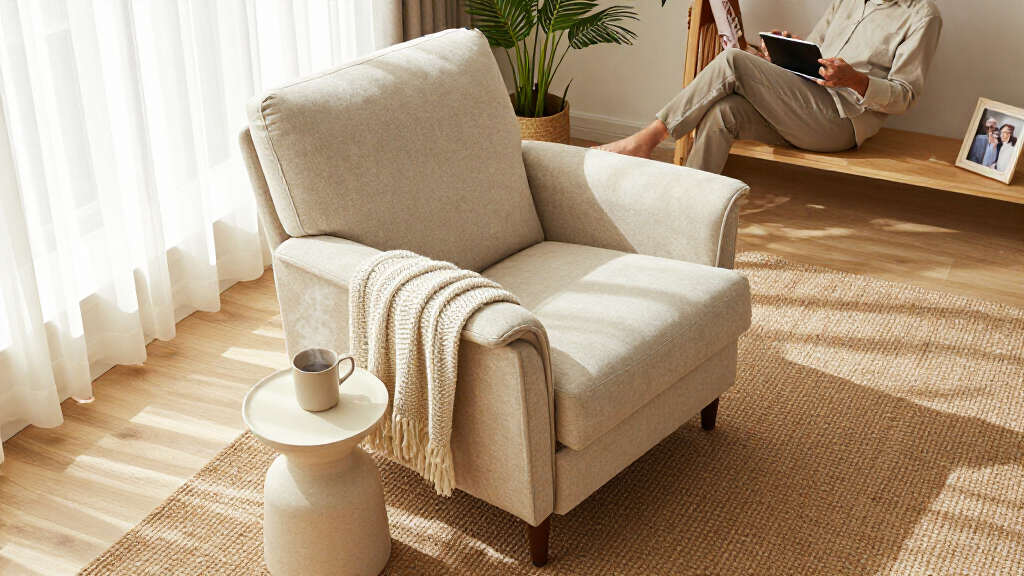
ergonomic lounge chair for living room
As an affiliate, we earn on qualifying purchases.
As an affiliate, we earn on qualifying purchases.
How to Make Existing Furniture More Comfortable and Ergonomic
If replacing furniture isn’t an option, you can still significantly enhance comfort and support through strategic modifications. Adding cushions, especially memory foam or gel-infused options, can elevate the seat height slightly, helping align your hips and knees for better posture. Using risers or adjustable pads under chairs can fine-tune height, especially for seating that’s too low or uneven. These modifications also improve stability and reduce the risk of tipping or wobbling, which is especially important for safety.
For example, a firm cushion on a dining chair can raise the seat by 1-2 inches, making it easier for someone with limited mobility to sit and stand without strain. Incorporating lumbar supports or adjustable footstools can help maintain proper spinal alignment during long periods of sitting. These simple tweaks not only improve comfort but also support healthy posture, reducing the likelihood of pain and fatigue.
Understanding the tradeoffs is essential: adding cushions may slightly alter the aesthetic, and risers might change the chair’s stability or style. However, these modifications can be a cost-effective way to optimize existing furniture for better ergonomic support, ensuring safety and comfort without the expense of new furniture.
As an affiliate, we earn on qualifying purchases.
The Latest in Seating Innovation: Smarter, Safer, More Comfortable
The evolution of seating technology reflects our growing understanding of ergonomics and user comfort. Smart chairs equipped with electronic height adjustment and memory settings allow users to personalize their seating experience effortlessly. Sensors embedded within these chairs can analyze your posture and suggest optimal adjustments, actively reducing fatigue and discomfort caused by poor alignment.
Dynamic support systems featuring gel-infused cushions and ergonomic contours respond to your movements, providing continuous support and helping maintain healthy posture during extended sitting. These innovations not only enhance comfort but also contribute to long-term musculoskeletal health by promoting proper alignment. Additionally, environmentally friendly materials, like recycled plastics and sustainably sourced wood, are now mainstream, making these seats both sustainable and durable.
Imagine a lounge chair that adapts to your body’s shape over time or a kitchen stool that automatically adjusts height based on your sitting position. These advances make personalized comfort more accessible and practical, transforming everyday seating into a health-supporting feature of your home.
Smart Seating Choices That Support Your Long-Term Health
Choosing the right seat extends beyond immediate comfort — it’s a proactive step toward safeguarding your long-term health. Poorly fitted furniture can contribute to chronic back pain, joint issues, and circulatory problems, especially with prolonged use. When selecting seats, prioritizing ergonomic features like lumbar support, adjustable height, and proper seat depth is crucial, as these elements align your body correctly and reduce strain.
For example, a chair with adjustable lumbar support encourages proper spinal alignment, preventing slouching that can lead to long-term back problems. Seats that allow your hips to be slightly higher than your knees promote better circulation and reduce lower back pressure. These features are especially important for individuals who spend many hours seated daily, such as remote workers or elderly family members.
Investing in ergonomic, adjustable seating now is a preventative measure that can save you from discomfort, health issues, and medical expenses later. It’s a small but vital step toward maintaining mobility, reducing pain, and enhancing overall well-being over the years.
Frequently Asked Questions
How do I measure the best seat height for myself or a family member?
Sit in the chair with your feet flat on the floor and your knees at a 90-degree angle. Measure from the floor to the top of your thigh or the seat surface. Adjust until your feet are comfortably supported and your hips are slightly higher than your knees for optimal posture.
What types of seating are best for people with mobility challenges?
Seats with adjustable height, sturdy armrests, and firm cushions work best. Look for chairs that are easy to sit down in and stand from, possibly with features like lift-assist or swivel bases for added support and independence.
Are adjustable chairs worth the investment?
Absolutely. They accommodate different users, improve posture, and reduce discomfort. Over time, adjustable seats can help prevent musculoskeletal issues and support better long-term health, making them a wise choice for many households.
How can I make my existing furniture more ergonomic?
Use cushions or foam pads to adjust height and add support. Incorporate lumbar pillows for back comfort, and consider small footstools if the seat is too high. These simple tweaks can significantly boost comfort without buying new furniture.
What materials should I look for to ensure durability and comfort?
Seek breathable fabrics like mesh or high-quality leather, combined with supportive cushions made of memory foam or gel-infused foam. Durable frames, preferably metal or hardwood, ensure longevity and safety.
Conclusion
The right-height seating transforms your home into a place of safety, comfort, and dignity. It’s about more than looks — it’s about how you feel every day. Small adjustments today can prevent discomfort and support your well-being for years to come.
Remember, comfort starts with understanding your body and choosing furniture that adapts to it. After all, your home should be your sanctuary — a space that lifts you up, literally and figuratively.
Flea & tick season Picks
flea and tick prevention
As an affiliate, we earn on qualifying purchases.