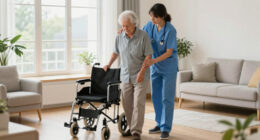

TL;DR
Listen free for 30 days with Audible
Thousands of audiobooks and originals — cancel anytime.
Start your free trialAs an affiliate, we earn on qualifying purchases.
Safely helping someone walk involves thorough assessment, environment prep, correct equipment use, and body mechanics. Knowing when not to proceed and how to prevent falls can protect both caregiver and person cared for.
Helping someone walk safely often feels like a balancing act—literally and figuratively. It’s easy to think strength alone keeps someone steady, but more critical are your preparation, communication, and technique. A single misstep can lead to a fall, injury, or loss of confidence for your loved one.
In this guide, you’ll learn straightforward, practical steps to support someone’s mobility safely. From assessing readiness to using equipment correctly, these tips make walking safer and more comfortable for everyone involved.
Always assess the person’s readiness before helping them walk to prevent falls.
Prepare the environment by removing hazards and ensuring proper lighting.
Use mobility aids correctly and check their safety before each use.
Support with proper body mechanics: stand slightly behind and on the weaker side.
Know how to respond if a fall occurs—widen stance, protect the head, and call for help.
Practical mobility safety guide
Safe Techniques for Helping Someone Walk
Safe assistance is less about strength and more about assessment, preparation, communication, positioning, and knowing when to stop. The goal is to protect both people while preserving confidence and independence.
01 / Before moving
Readiness comes before walking
Ask, observe, and prepare. A person who is dizzy, confused, severely weak, short of breath, or medically unwell should not be hurried to their feet.
Alert and responsive?
Confirm the person can understand and follow short directions. Unusual confusion or reduced alertness is a reason to pause.
Symptoms controlled?
Ask about pain, dizziness, weakness, fatigue, breathlessness, nausea, and fear of falling before attempting to stand.
Feet supported?
Use well-fitting, supportive, non-slip footwear. Avoid loose slippers, socks on smooth floors, and trailing clothing.
Route fall-proof?
Remove cords, clutter, loose rugs, pets, and spills. Turn on even lighting and identify sturdy places to rest.
Brakes and chairs ready?
Lock bed or wheelchair brakes, move footrests aside, and position the destination chair to minimize turning.
Aid checked?
Use the prescribed device. Check its height, rubber tips, joints, wheels, and brakes before every walk.
Do not proceed when safety is uncertain
Pause and seek professional help for faintness, unusual confusion, severe weakness, new chest pain, marked breathlessness, inability to bear weight, or a sudden change from the person’s usual condition.
02 / Support technique
Secure support without pulling
Stand slightly behind and on the weaker side. Keep a stable stance, hold an appropriate gait belt from underneath, and let the person contribute as much as safely possible.
The gait belt: useful, but conditional
Place the belt around the waist over clothing. It should be snug enough to provide a secure handhold without restricting breathing. Use only with suitable training and the person’s care plan.
Over intact clothing, at the waist, with a trained grip and enough room to breathe comfortably.
Over wounds, tubes, fragile skin, painful areas, or recent abdominal or chest surgery without clinical guidance.
Body mechanics that protect you both
03 / Walking sequence
One controlled movement at a time
Clear instructions and deliberate pauses reduce surprises. Encourage the person to push from a stable surface and move at their own pace.
Explain and equip
Gain agreement. Add glasses, hearing aids, non-slip shoes, and prescribed equipment.
Set the feet
Move near the chair edge. Place both feet securely and bring the stronger foot slightly back if advised.
Lean and push
Ask the person to lean forward and push from armrests or the bed—not pull on the walker.
Pause upright
Wait after standing. Check balance, dizziness, breathing, pain, and knee stability.
Walk and sit
Take short steps. Back up to the chair, feel it behind both legs, reach back, and lower slowly.
Watch continuously
Stop when warning signs appear. Do not interpret visible effort as something to “push through.”
04 / Mobility aids
Match the aid to the prescribed pattern
An aid only improves safety when it fits correctly and the person knows the intended sequence. Professional fitting and training matter.
| Aid | Typical movement pattern | Helper checks | Common error |
|---|---|---|---|
| Walker | ✓ Move it a short distance, set all tips or wheels securely, step with the weaker leg, then the stronger leg. | Correct height, intact tips, working brakes, stable frame. | ✗ Pushing it too far ahead or stepping outside the frame. |
| Cane | ✓ Usually held opposite the weaker or painful leg. Cane and weaker leg move together, then the stronger leg. | Correct side, secure tip, suitable height, comfortable grip. | ~ Holding it on the weaker side unless specifically instructed. |
| Crutches | ~ Pattern depends on weight-bearing status and must be taught by a clinician. | Professional fit, intact tips, stable handgrips, correct weight-bearing order. | ✗ Resting body weight through the armpits or improvising a gait pattern. |
| Gait belt | ✓ A trained helper holds from underneath while remaining slightly behind on the weaker side. | Suitable skin and medical condition, snug fit, unobstructed tubes and wounds. | ✗ Jerking upward, restricting breathing, or using over fragile areas. |
✓ Preferred practice ~ Requires individualized instruction ✗ Avoid
05 / If balance is lost
Guide—do not catch
Trying to hold up a falling person can injure both of you. Use your training, protect the head, and lower toward the floor if it can be done safely.
Increase your base of support and avoid twisting.
Lower your center of gravity while staying close.
Guide away from sharp objects if safely possible.
Check for injury and obtain trained or emergency help.
The safest walk begins before the first step.
Assess readiness, clear the route, check equipment, communicate simply, support from the weaker side, pause after standing, and stop when the person’s condition changes.
How to Check if Your Loved One Is Ready to Walk
Before helping someone stand or walk, you need to gauge their current condition. Is their mind clear? Do they wear supportive shoes? Are they free of dizziness or pain? For example, if your grandma feels faint, rushing her to walk could be dangerous. Always ask about her pain, fatigue, or balance issues first.
Look for signs like confusion, weakness, or shortness of breath. If any of these are present, consult a healthcare professional before proceeding. Proper assessment can prevent falls before they happen.
This step matters because attempting to move someone who isn’t ready can lead to falls, injuries, or further health complications. Recognizing warning signs helps you decide whether to proceed or seek additional support, ensuring safety is prioritized over speed.
As an affiliate, we earn on qualifying purchases.
Clear the Path: Making Your Environment Fall-Proof
Helping someone walk safely starts with the environment. Picture a cluttered hallway with a loose rug, a pet sleeping underfoot, and poor lighting. These hazards turn a simple walk into a fall waiting to happen. Always remove cords, clutter, and spills beforehand.
Ensure lighting is bright and even—no dark corners. Place chairs or sturdy furniture along the route for resting. Lock wheelchairs or beds, move footrests aside, and plan a clear, obstacle-free path. A safe environment lets your loved one focus on walking, not dodging hazards.
Creating a fall-proof environment is crucial because even a small obstacle can cause a fall, especially if your loved one has balance issues. Properly prepared spaces reduce the likelihood of trips and slips, fostering confidence and independence in mobility.
As an affiliate, we earn on qualifying purchases.
Choosing and Using the Right Equipment Safely
Assistive devices like walkers, canes, or crutches should fit the user perfectly. A poorly adjusted walker can cause more harm than good. For example, a walker with loose rubber tips might slip, or a cane that’s too short leaves your loved leaning forward unsteadily.
Always use equipment prescribed or fitted by a professional. Check that rubber tips are intact and brakes work. When in doubt, ask a therapist to demonstrate proper use. Correct equipment and its use are crucial for safe walking.
Using the right equipment correctly can significantly enhance stability and reduce the risk of falls. Conversely, improper use or ill-fitting devices can cause missteps or injuries. Regular checks and professional guidance ensure that mobility aids serve their purpose effectively, making walking safer and more confident.
As an affiliate, we earn on qualifying purchases.
Why a Gait Belt Can Be Your Best Helper (and When Not to Use It)
A gait belt is a sturdy, adjustable belt worn around the waist, giving you a secure grip. When used properly, it can reduce fall risk by providing control and support. For example, gripping a gait belt allows you to gently guide someone up from a chair or bed without pulling on fragile joints.
Keep it snug but not tight—two fingers should fit underneath. Avoid using it over wounds, feeding tubes, or fragile skin. If your loved has recent abdominal surgery or skin issues, consult a professional first.
The importance of a gait belt lies in its ability to give caregivers a safe hold, especially during transfers or ambulation. However, improper use—such as pulling too hard or using it on delicate skin—can cause injuries or discomfort. Knowing when and how to use it ensures maximum benefit while minimizing risks.
assistive walking devices for seniors
As an affiliate, we earn on qualifying purchases.
As an affiliate, we earn on qualifying purchases.
How to Stand and Support Without Causing Injury
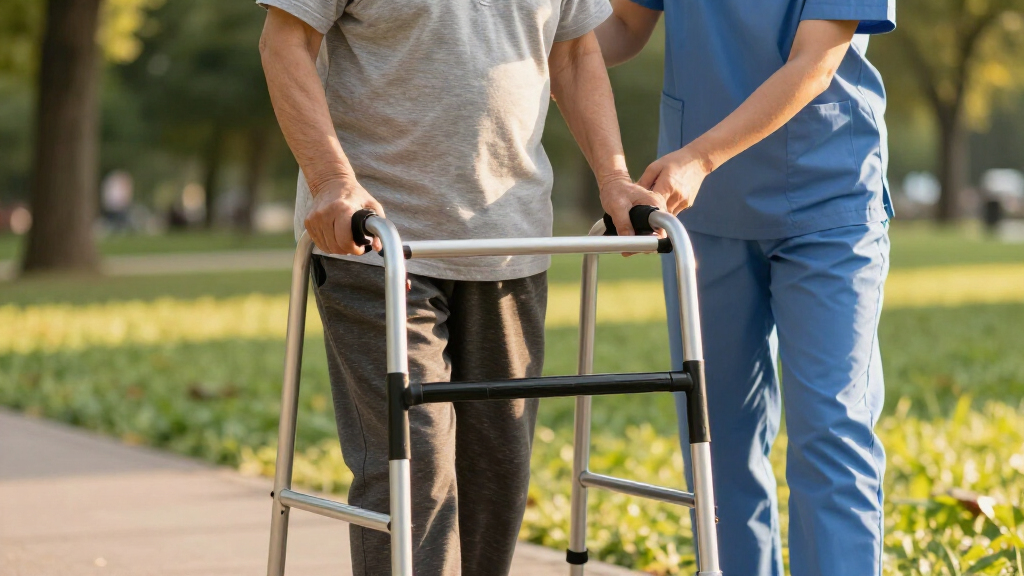
Proper positioning is key. Stand slightly behind and on the weaker side of your loved one, with your feet shoulder-width apart. Hold the gait belt from underneath or use the technique your therapist showed you. Avoid pulling on their arms or clothing—this can strain joints or cause injury.
For example, if your mom has knee trouble, supporting her from the waist allows her to push herself up while you stabilize her. Keep your back straight, bend your hips and knees, and keep the person close to your body.
Understanding the correct stance and grip is essential because improper support can lead to muscle strains, joint injuries, or falls. Supporting from the right position and maintaining good body mechanics helps protect both caregiver and loved one during transfers and ambulation.
Let Them Do As Much As They Can—Encourage Independence
Encourage your loved one to push from armrests or a chair rather than pulling on your hands. Giving clear, short instructions helps them stay confident. For instance, tell them, “Push up slowly, then step forward.”
Allow them to do as much as possible. This builds strength and confidence, reducing dependence over time. Remember, rushing or lifting full body weight manually risks injury for both of you.
Promoting independence isn’t just about physical effort; it fosters a sense of control and dignity for your loved one. When they succeed in small steps, it encourages further progress and reduces fear of falling, which can be a significant psychological barrier to mobility.
Safe Body Mechanics for Caregivers: How to Protect Yourself
Use your legs, not your back, to lift or support. Keep your feet shoulder-width apart, bend your hips and knees, and hold the person close. For example, if your dad needs help standing, squat down, support him, and use steady, controlled movements.
Avoid twisting while supporting. Turn by stepping, not by twisting your torso. If the person is very heavy or unsteady, don’t try to lift alone—call for help or use mechanical lifts.
Proper body mechanics are vital because poor technique is a common cause of caregiver injuries, especially back strains. Using correct posture and support techniques ensures you can assist safely over time without risking your health, which in turn allows you to provide consistent care.
Walking Step-by-Step: Your Simple Guide to Assisting
Here’s a straightforward sequence:
- Explain the plan and get consent.
- Ensure they have glasses, hearing aids, and supportive shoes.
- Help them sit near the edge of the chair, feet flat.
- Ask them to lean forward, push from armrests or bed.
- Pause to check balance and dizziness.
- Position the walking aid correctly.
- Stand slightly behind and on the weaker side, using a gait belt if needed.
- Walk slowly, taking small steps, avoiding sharp pivots.
- Back up until the chair touches their legs.
- Help them reach for the armrests and lower themselves.
This routine minimizes surprises and helps you stay in control, but understanding each step’s purpose deepens your ability to adapt if unexpected issues arise, such as sudden dizziness or uncooperative behavior. It also reinforces safe habits and confidence in both you and your loved one.
Using Common Walking Aids Safely
Each aid has its quirks. With a walker, move it a short distance, then step with the weaker leg, followed by the stronger. Keep the walker close, not too far ahead. For a cane, hold it opposite the painful or weak leg, and move it together with that leg.
Proper fitting is key. Crutches require professional training—support your weight through your hands, not your armpits. Always check that rubber tips are secure and brakes work.
Understanding the correct use and safety checks for aids ensures stability during walking and prevents accidents caused by equipment failure or misuse. This knowledge allows caregivers to troubleshoot issues promptly and maintain confidence in mobility support tools.
Navigating Stairs and Curbs Without a Fall
Stairs add extra risk. When going up, stronger leg first, then the weaker, then the aid. When going down, the aid comes first, then the weaker leg, then the stronger. Use handrails whenever possible.
If unsure, avoid stairs. Use ramps, elevators, or seek trained help. Never attempt stairs if your loved one isn’t trained or confident.
Understanding the proper sequence and technique for stairs is essential because mistakes here—like rushing or neglecting handrails—can lead to falls, fractures, or serious injuries. Proper technique maximizes safety and confidence for both the caregiver and the person being assisted, especially considering the increased instability on stairs.
What To Do If Your Loved One Starts Falling
Don’t try to catch or hold them upright forcibly. Widen your stance, hold the gait belt if available, and gently guide them down your leg toward the floor. Protect their head as best as you can.
Once on the floor, check for injuries. Call emergency services if they’re unresponsive, in severe pain, or show signs of head, neck, or back injury. Don’t try to lift until trained personnel arrive.
This response is critical because attempting to catch someone improperly can cause additional injuries, such as fractures or head trauma. Guiding them gently minimizes impact and reduces the risk of further harm. Recognizing when to seek emergency help ensures you don’t delay critical medical intervention, which can be life-saving or prevent long-term disability.
When to Stop and Call for Help
Stop immediately if your loved one:
- Feels dizzy, faint, or has severe sweating
- Experiences chest pain or trouble breathing
- Shows sudden weakness, speech issues, or facial drooping
- Has a severe headache or unexplained pain
- Cannot bear weight or their knee buckles
- Becomes extremely fatigued or pale
These are signs of emergencies like stroke or heart attack. Call 911 immediately and provide first aid as needed.
This step is vital because ignoring these signs can lead to worsening health outcomes or death. Recognizing the urgency and acting swiftly ensures prompt medical intervention, which can be the difference between recovery and serious complication.
Common Mistakes That Increase Fall Risk
Avoid these pitfalls to keep everyone safe:
- Pulling on arms or clothing to lift or move
- Using furniture instead of prescribed equipment
- Walking in socks or slippers on slippery floors
- Moving ahead of the person with the walker
- Not locking wheelchair or bed brakes before moving
- Rushing turns or standing too quickly
- Twisting your back while supporting
- Ignoring signs of dizziness or pain
- Trying to manage complex falls alone without help
Understanding these mistakes is crucial because they directly contribute to fall incidents, which can cause fractures, head injuries, or long-term disability. Avoiding them helps maintain safety, confidence, and independence for your loved ones.
Latest Trends and New Tools for Safer Walking
Modern fall prevention combines technology with tailored care. Early mobilization programs, wearable sensors, and smart walkers with brakes or feedback features help prevent falls. Telehealth physical therapy and home modifications like contrasting stair edges and grab bars also boost safety.
While tech advances, the foundation remains proper assessment, equipment fitting, and gentle encouragement. Combining these approaches creates a safer, more confident walking experience.
Integrating new tools into routine care can reduce fall rates and increase mobility confidence, especially for high-risk populations. However, technology should complement—never replace—the fundamental principles of assessment, proper equipment, and caregiver attentiveness.
Your Most Important Takeaway: Safety First, Every Time
Helping someone walk safely is about preparation, communication, and proper technique. Always check their readiness, clear hazards, use equipment correctly, and support with good body mechanics. Never rush or force movement—your care can prevent falls and injuries.
Picture a calm, confident helper guiding a steady, happy walker. That’s the goal—and it’s entirely within your reach.
Frequently Asked Questions
Should I stand on the stronger or weaker side?
Usually, stand slightly behind and on the weaker side, so you can support without pulling or pushing. This position gives you better control and helps prevent falls.
Can I use a gait belt if the person has recent surgery or fragile skin?
No. In cases of recent surgery, wounds, or fragile skin, consult a healthcare professional before using a gait belt. Sometimes, alternative support methods are safer and more appropriate.
What footwear is safest for walking assistance?
Choose well-fitting shoes with low heels, good arch support, and non-slip soles. Avoid slippers, flip-flops, or socks alone, as they increase slip risk.
What should I do if my loved one feels dizzy after standing?
Help them sit down safely immediately. Encourage slow movements, and if dizziness persists, have them see a healthcare provider for evaluation.
How do I handle a fall safely?
Widen your stance, hold the gait belt if available, and guide the person down your leg gently. Protect their head, avoid lifting from the floor unless trained, and call emergency services if needed.
Conclusion
Helping someone walk safely isn’t about brute strength; it’s about being prepared, gentle, and attentive. Your calm, confident support can make all the difference in maintaining independence and dignity.
Think of yourself as a steady anchor—trustworthy, careful, and always ready to assist. Every step taken safely is a step toward peace of mind—for both of you.
Summer Picks
summer essentials
As an affiliate, we earn on qualifying purchases.